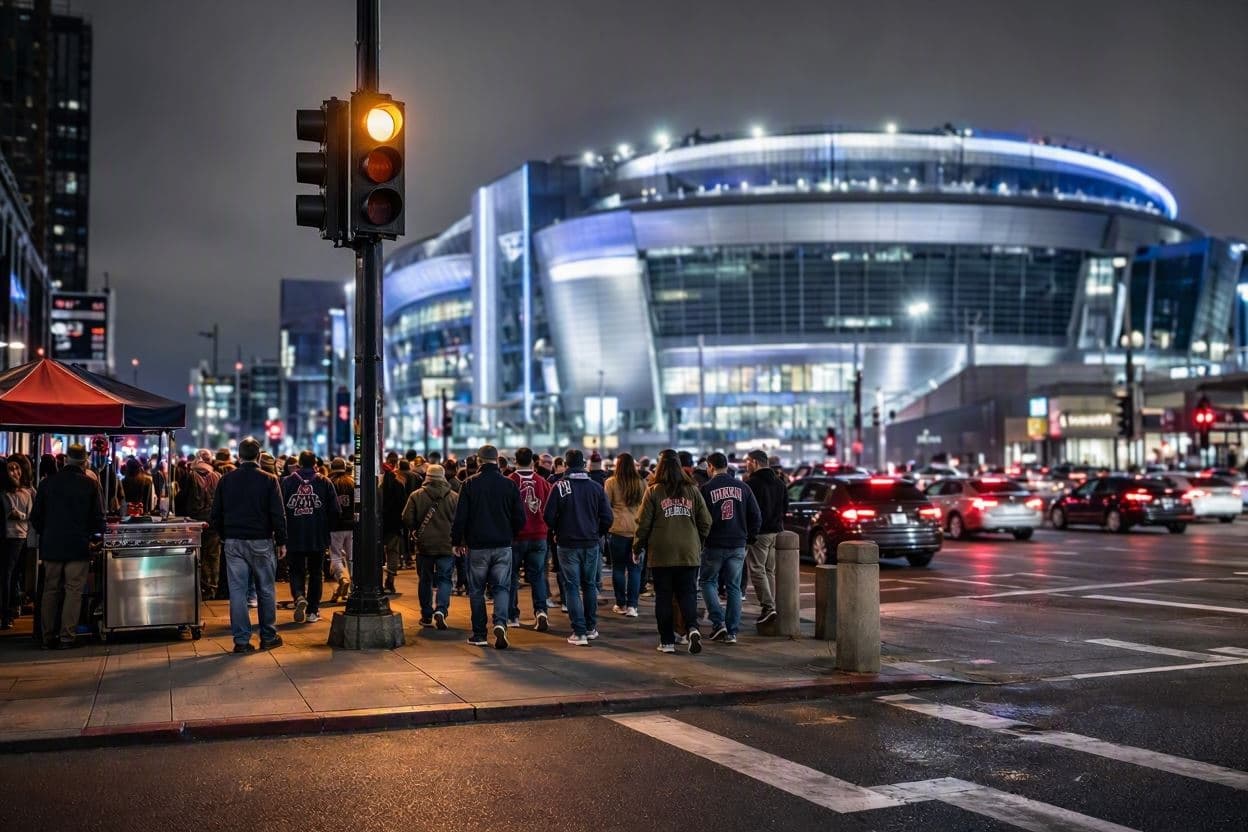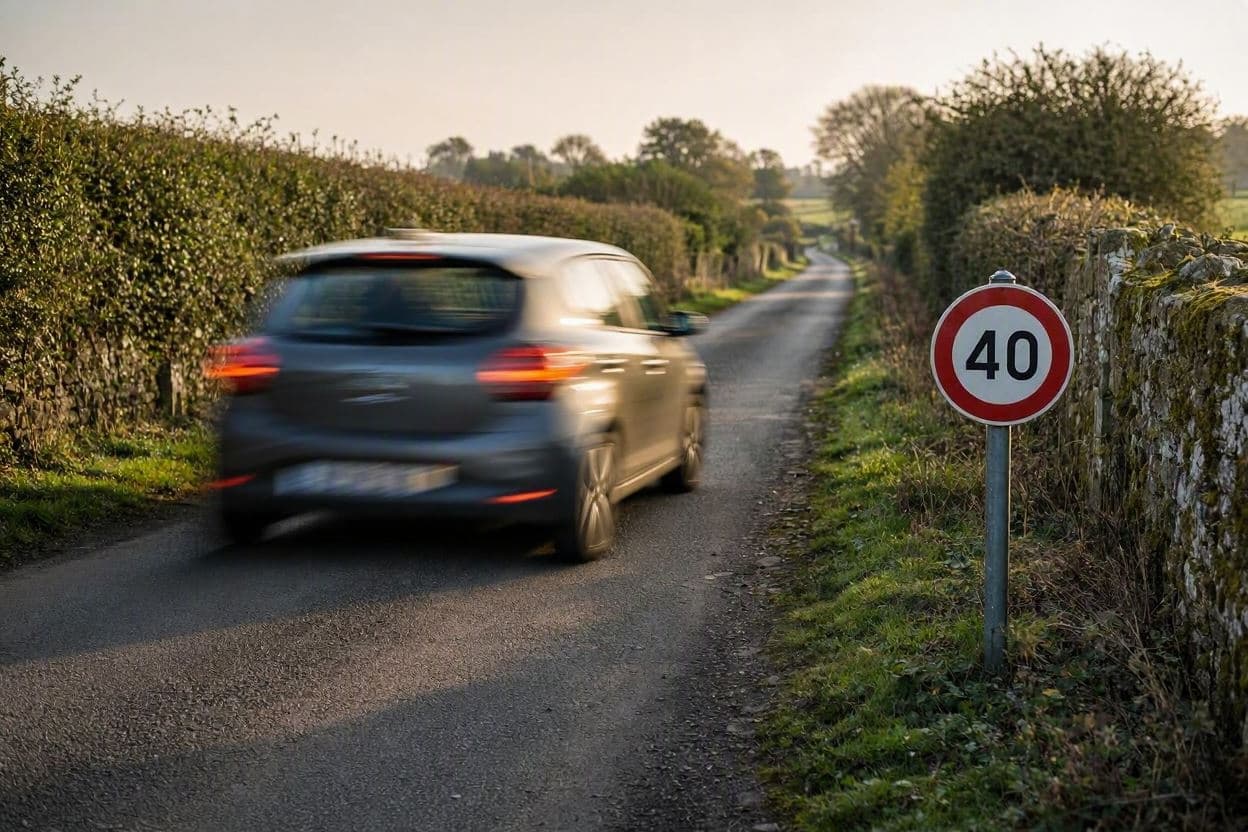
In the quiet villages where life moves at the pace of walking and conversation, the sudden roar of engines can feel like an intrusion into a sacred space. Residents in several rural communities have raised concerns about drivers treating local roads as personal race tracks, speeding through narrow lanes meant for tractors and bicycles. This clash between the desire for speed and the need for safety highlights a growing tension in shared public spaces.
The complaints describe cars weaving through traffic, ignoring speed limits, and creating noise pollution that disrupts the peace of the countryside. For villagers, especially the elderly and families with young children, these actions pose a serious threat to their well-being. The road, once a connector of communities, has become a source of anxiety, where every approaching vehicle is viewed with caution. The sense of security that defines rural life is being eroded.
Local authorities have acknowledged the issue, noting an increase in reports of reckless driving in residential areas. Police patrols have been increased in some regions, and speed cameras are being installed to deter offenders. However, enforcement alone may not solve the problem. The culture of speeding, often fueled by social media challenges or a lack of awareness, requires a broader educational approach to change behavior.
Community leaders are calling for greater respect for local norms and laws. They argue that roads are not just infrastructure but part of the social fabric of a village. When drivers ignore this context, they disregard the people who call these places home. Initiatives such as neighborhood watch programs and signage campaigns aim to remind motorists that they are guests in these communities, expected to adhere to local standards of conduct.
The psychological impact on residents should not be underestimated. Constant fear of accidents can lead to stress and isolation, as people avoid going outside during peak hours. This withdrawal affects the vibrancy of village life, reducing opportunities for social interaction and community building. Protecting the right to feel safe in one’s own neighborhood is essential for maintaining healthy, connected societies.
Solutions may involve infrastructure changes, such as traffic calming measures like speed bumps and narrower lanes. These physical barriers encourage drivers to slow down naturally, aligning their speed with the environment. Additionally, public awareness campaigns can highlight the dangers of speeding in populated areas, fostering a sense of responsibility among motorists. It is a collective effort to reclaim the streets.
As the dialogue continues, the hope is for a mutual understanding between drivers and residents. By recognizing the value of peace and safety, motorists can choose to drive with care and consideration. Villages thrive when their streets are safe for all users, from pedestrians to cyclists. Restoring this balance is key to preserving the charm and security of rural life for future generations.
AI Image Disclaimer: The visual content in this article is AI-generated to illustrate the contrast between rural tranquility and vehicular speed.
Sources: The Guardian, Local Government Chronicle, BBC News
Published by Banx Network. This article is part of the Banx decentralized media programme, powered by the BXE token on the XRP Ledger.