
Key Highlights
- New Ban:Class IV burning restrictions enacted in four northeastern counties.
- Fire Risks:Escalating fire danger due to dry conditions and limited rainfall.
- Community Support:Local businesses and residents adapt to ensure safety.
[New Burning Restrictions]
The Minnesota Department of Natural Resources (DNR) has announced the implementation of Class IV burning restrictions in Cook, Koochiching, Lake, and northern St. Louis counties. This decision comes in response to increasing fire danger ratings, which have prompted officials to take proactive measures to prevent wildfires. The restrictions prohibit open fires, including campfires and fireworks, to mitigate the risk of human-caused ignitions that could escalate in the current dry landscape.
[Impact on Outdoor Activities]
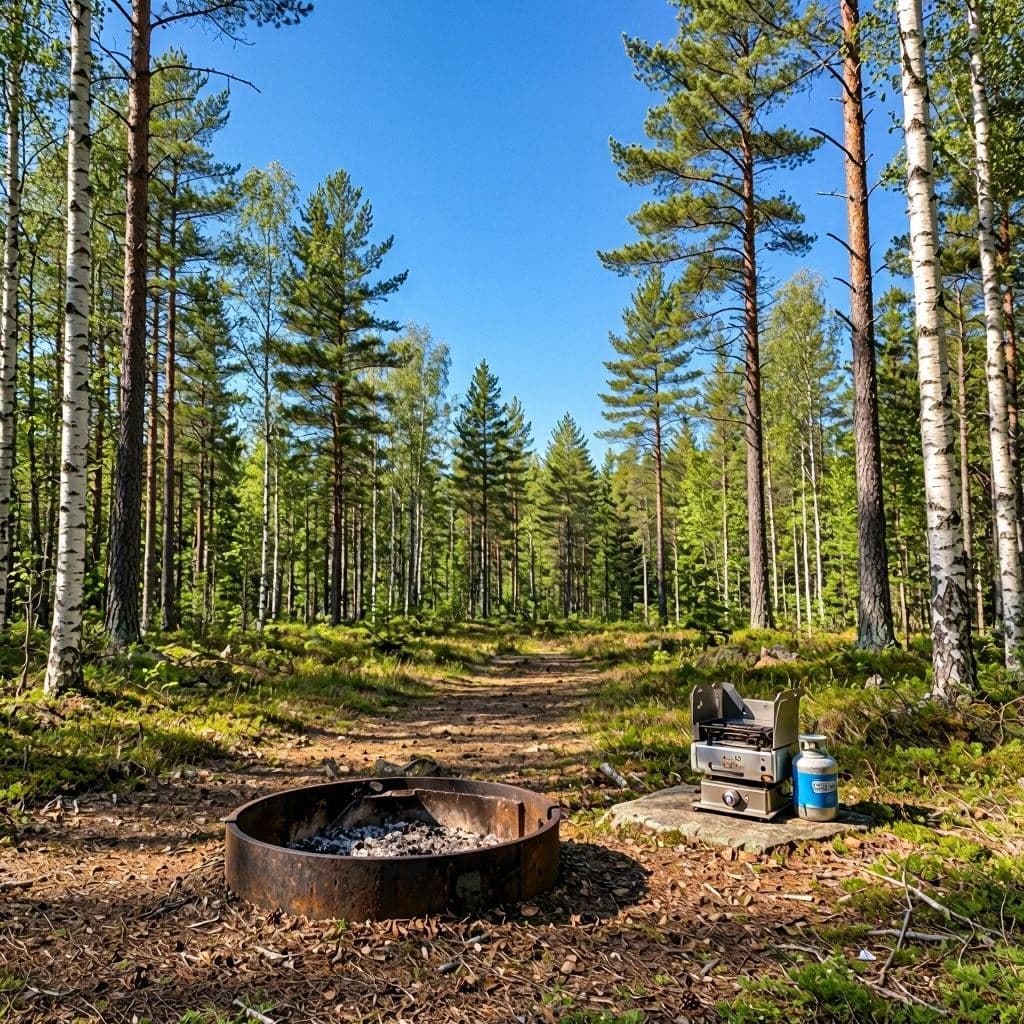
For both residents and visitors, this ban necessitates a shift in traditional outdoor practices. The communal warmth of a campfire, often a staple of camping experiences, must now be substituted with alternative cooking methods such as gas or propane stoves. While some may view this change as an inconvenience, it highlights a collective responsibility to safeguard Minnesota's vast wilderness areas. The Boundary Waters Canoe Area Wilderness, a treasured natural resource, is particularly vulnerable, making these restrictions vital for its preservation.
[Current Conditions and Risks]
The timing of this restriction aligns with a period of heightened vigilance across the region. Recent weeks have seen minimal rainfall coupled with persistent winds, creating conditions conducive to rapid fire spread. Emergency management officials have warned that even a minor spark can lead to catastrophic outcomes, endangering both natural habitats and nearby communities. This ban serves as a crucial reminder that our enjoyment of nature must be balanced with a respect for its inherent fragility.
[Historical Context]
Historically, similar restrictions have been enacted during extreme drought conditions, proving effective in reducing wildfire incidents. Data from previous years indicates that such measures significantly lower the number of accidental fires, allowing firefighting resources to concentrate on natural causes like lightning strikes. This evidence-based approach underscores the importance of adapting our behaviors to align with environmental realities.
[Community Response]
The community's response to the ban has been largely positive, with many outdoor enthusiasts acknowledging the necessity of the measure. Local businesses that depend on tourism are also adjusting, providing guidance to visitors on safe cooking alternatives and fire-free activities. This collective effort reflects a shared commitment to stewardship, ensuring that the forests remain vibrant and safe for future generations.
[Looking Ahead]
As the ban is expected to remain in effect until conditions improve, likely extending into the fall, patience and cooperation will be essential. The hope is that adherence to these guidelines will help the region avoid the devastating impacts of large-scale wildfires. This situation exemplifies the resilience of both the land and its inhabitants, working together to navigate the challenges posed by a changing climate.
In conclusion, while the absence of campfires may alter the traditional outdoor experience, it is a necessary step to ensure the safety and longevity of Minnesota's natural treasures. Residents and visitors are encouraged to stay informed about current fire ratings and to exercise caution in all outdoor activities. Through collective vigilance, the community can help preserve the beauty of the north for years to come.
Published by Banx Network. This article is part of the Banx decentralized media programme, powered by the BXE token on the XRP Ledger.



