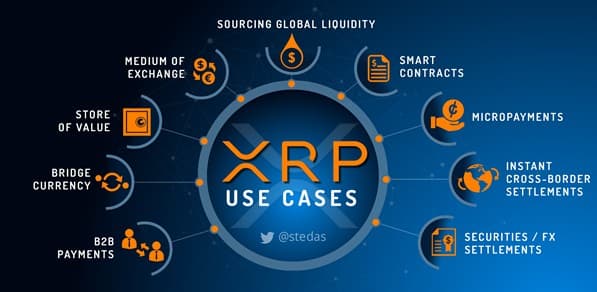
Reports that SPAR Switzerland is moving to accept XRP as a form of payment reflect a broader shift in how digital assets are entering everyday commerce. Large retail chains have traditionally been slow to adopt cryptocurrencies due to volatility, regulatory uncertainty, and integration complexity. The appearance of XRP in a mainstream retail payment context suggests that these barriers are steadily being reduced, particularly when blockchain networks focus on speed, cost efficiency, and settlement reliability. XRP is designed specifically for payments, not speculation. Transactions settle in seconds, fees are extremely low, and the network can handle high transaction volumes without congestion. For a retailer like SPAR, these characteristics are critical. Fast settlement reduces checkout friction, while low fees make crypto payments economically viable compared to traditional card networks that charge percentage-based costs. For consumers, this means the ability to spend digital assets directly rather than converting them back into fiat first. If implemented at scale, accepting XRP also opens the door to seamless cross-border commerce. Switzerland is a global financial hub with a diverse customer base, including tourists and international residents. A digital payment option that works instantly across borders without reliance on correspondent banks can simplify transactions and improve customer experience. Merchants still receive value efficiently, while customers gain flexibility in how they pay. This development also fits into a larger pattern of institutional and retail alignment. As banks integrate Ripple-based infrastructure for transfers and settlement, retail acceptance of XRP represents the final mile: actual point-of-sale usage. When blockchain networks move from back-end banking rails to front-end consumer payments, digital assets begin to function as money rather than just investment instruments. Whether this adoption begins with selected locations or payment partners, the symbolic impact is significant. Major retail brands accepting crypto normalize its use and increase trust among everyday users. Each real-world integration strengthens the case that blockchain technology is quietly embedding itself into existing economic systems rather than replacing them overnight. If confirmed and expanded, SPAR Switzerland’s acceptance of XRP would represent more than a headline. It would mark another step toward a future where digital assets are spent as easily as cash or cards, reinforcing the idea that meaningful change in finance happens through practical use, not hype.
Published by Banx Network. This article is part of the Banx decentralized media programme, powered by the BXE token on the XRP Ledger.