
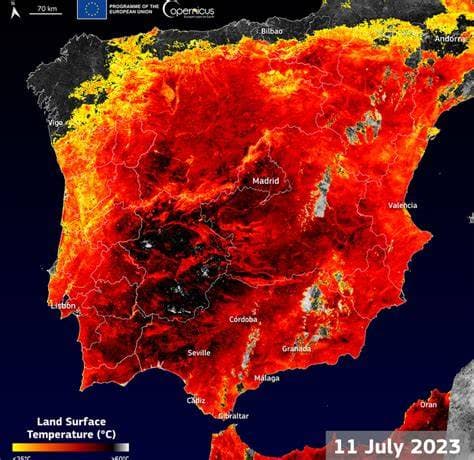
Key Highlights
- Excess Deaths:Spain recorded 1,029 excess deaths attributed to heat in June 2023.
- Record Temperatures:June was the second-hottest month on record, with average temperatures 3.2 degrees higher than normal.
- Health Risks:At the peak of the heatwave, 35.7 million people faced health risks from extreme temperatures.
Spain's Health Ministry reported that 1,029 excess deaths in June were linked to a severe heatwave, as temperatures soared above 40 degrees Celsius (104 degrees Fahrenheit). This alarming statistic was released on Wednesday, highlighting the significant impact of extreme weather on public health. The data indicates that June 2023 was the second-hottest June on record, following only June 2025.
According to the Ministry's daily mortality monitoring system, known as MoMo, this month saw the highest number of heat-related deaths since June 2015. The national weather agency, AEMET, confirmed that average temperatures during June were 3.2 degrees higher than the historical norm, underscoring the severity of the heatwave.
On June 23, the peak of the heatwave, approximately 35.7 million people, or about 73% of Spain's population, were exposed to health risks associated with the extreme heat. Of these, 38% were classified as facing a high level of risk, prompting concerns among health officials about the potential for further heat-related health crises.
The report from AEMET also revealed that Spain has experienced 12 heatwaves in June since 1975, with half of these occurring in the last decade alone. This trend raises alarms about the increasing frequency and intensity of heatwaves in the region. Between June 1 and June 30, local weather stations recorded 165 maximum temperature records, including both monthly and all-time highs, along with 225 highest minimum temperature records.
AEMET described the first heatwave of the summer as exceptional, not only for its intensity but also for its duration and persistence. The agency's findings suggest that climate change may be contributing to these extreme weather patterns, which pose significant risks to public health and safety.
As Spain continues to grapple with the effects of climate change, the government and health officials are urged to implement measures to protect vulnerable populations during such extreme weather events. The rising number of heat-related deaths serves as a stark reminder of the urgent need for effective climate action and public health strategies.
Published by Banx Network. This article is part of the Banx decentralized media programme, powered by the BXE token on the XRP Ledger.



