
Key Highlights
- Record Imports:Spain has achieved unprecedented levels of Russian gas imports.
- Energy Demands:The surge is driven by increasing domestic energy needs.
- Geopolitical Tensions:The situation raises concerns about energy security amid ongoing conflicts.
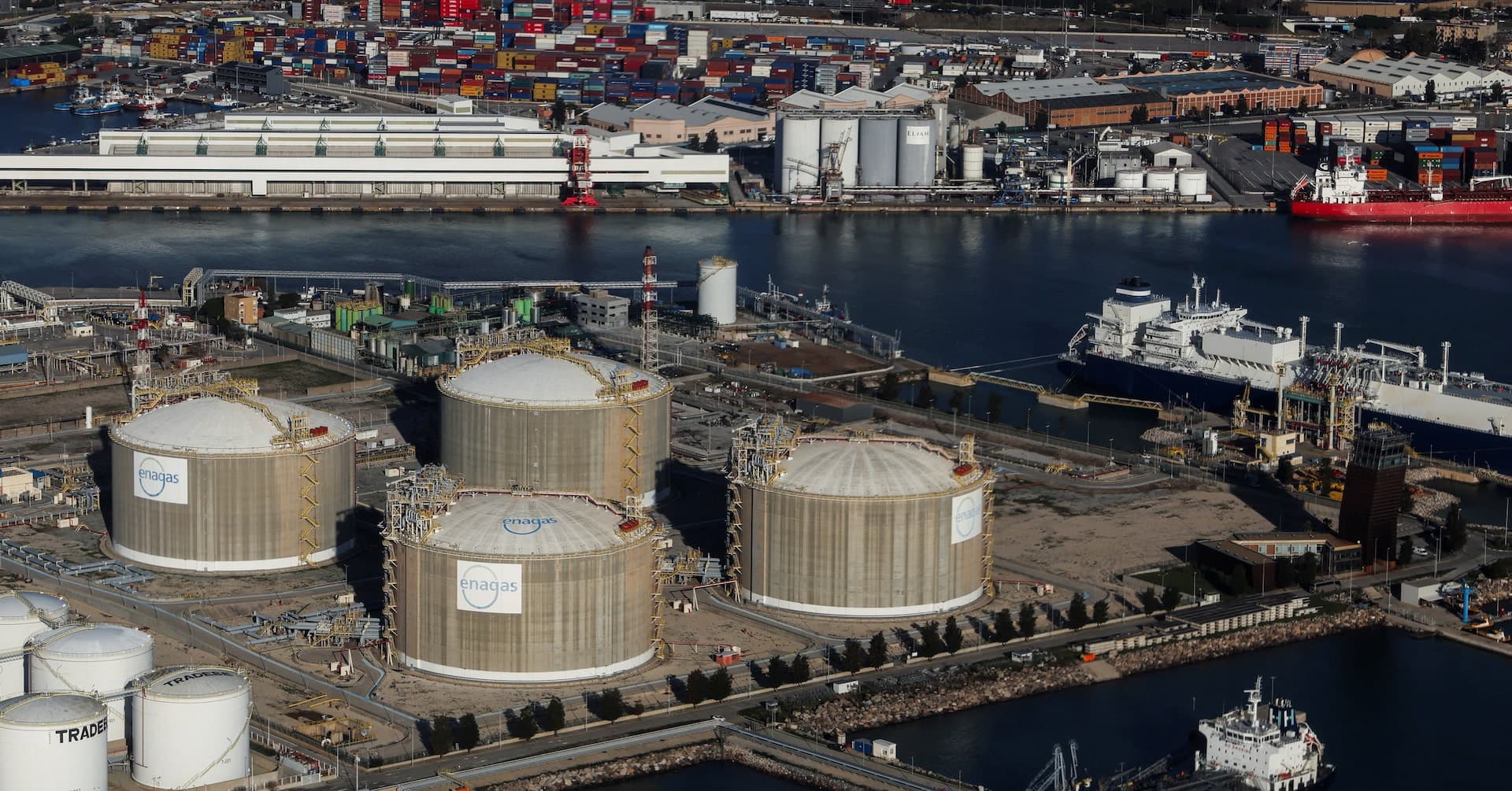
Spain has recently reported a significant increase in its imports of Russian gas, reaching record levels that have drawn attention from energy analysts and policymakers alike. This development comes at a time when the country is facing heightened energy demands, particularly as it navigates the complexities of energy security in a geopolitically charged environment.
The surge in gas imports reflects Spain's strategic reliance on natural gas as a transitional energy source. As the nation prepares for a future that prioritizes renewable energy, the current dependence on Russian gas raises critical questions about the balance between immediate energy needs and long-term sustainability goals. Despite the ongoing conflict in Ukraine and the associated risks of relying on Russian energy, Spain's demand for gas remains robust, prompting the government to consider economic factors alongside geopolitical ramifications.
Spain's role as a key entry point for natural gas into Europe further complicates the situation. The country has historically been a significant player in the European energy market, and its imports from Russia are crucial for meeting domestic energy requirements. However, the recent spike in imports has sparked debates about the implications for European energy independence and the potential risks associated with increased reliance on a single supplier.
As Spain grapples with these challenges, the government has reiterated the importance of a diversified energy strategy. The increase in Russian gas imports has raised eyebrows among environmentalists and energy advocates, who argue that such reliance could undermine efforts to transition to cleaner energy sources. Observers are closely monitoring how this situation will influence Spain's energy policy and its relationships with other European nations.
Looking ahead, Spain's commitment to renewable energy will be essential in balancing its immediate energy needs with its long-term environmental objectives. The record imports of Russian gas may serve as a catalyst for discussions on energy policy reform and strategic partnerships within Europe. As the energy landscape continues to evolve, further analysis will be necessary to assess the potential impacts on energy markets and geopolitical relations.
In conclusion, Spain's record imports of Russian gas highlight the complexities of energy security in a rapidly changing geopolitical landscape. The interplay between immediate energy demands and long-term sustainability goals will be critical as the country navigates its energy future.
Published by Banx Network. This article is part of the Banx decentralized media programme, powered by the BXE token on the XRP Ledger.



