Key Highlights
- SpaceX shares fell below the IPO price of $135, marking a significant decline.
- The drop has erased approximately $800 billion to $1 trillion in market value from Elon Musk's business empire.
- Investors are weighing risks against SpaceX's competitive advantages in the aerospace sector.
SpaceX has entered a critical phase in its corporate journey as its publicly traded shares have dipped below the initial listing price of $135 per share. This decline marks a notable reversal for one of the most valuable technology and aerospace companies globally. The recent downturn has sparked intense debate among investors regarding whether the company's initial pricing was overly ambitious or if the market is merely recalibrating its growth expectations following an extraordinary period of expansion.
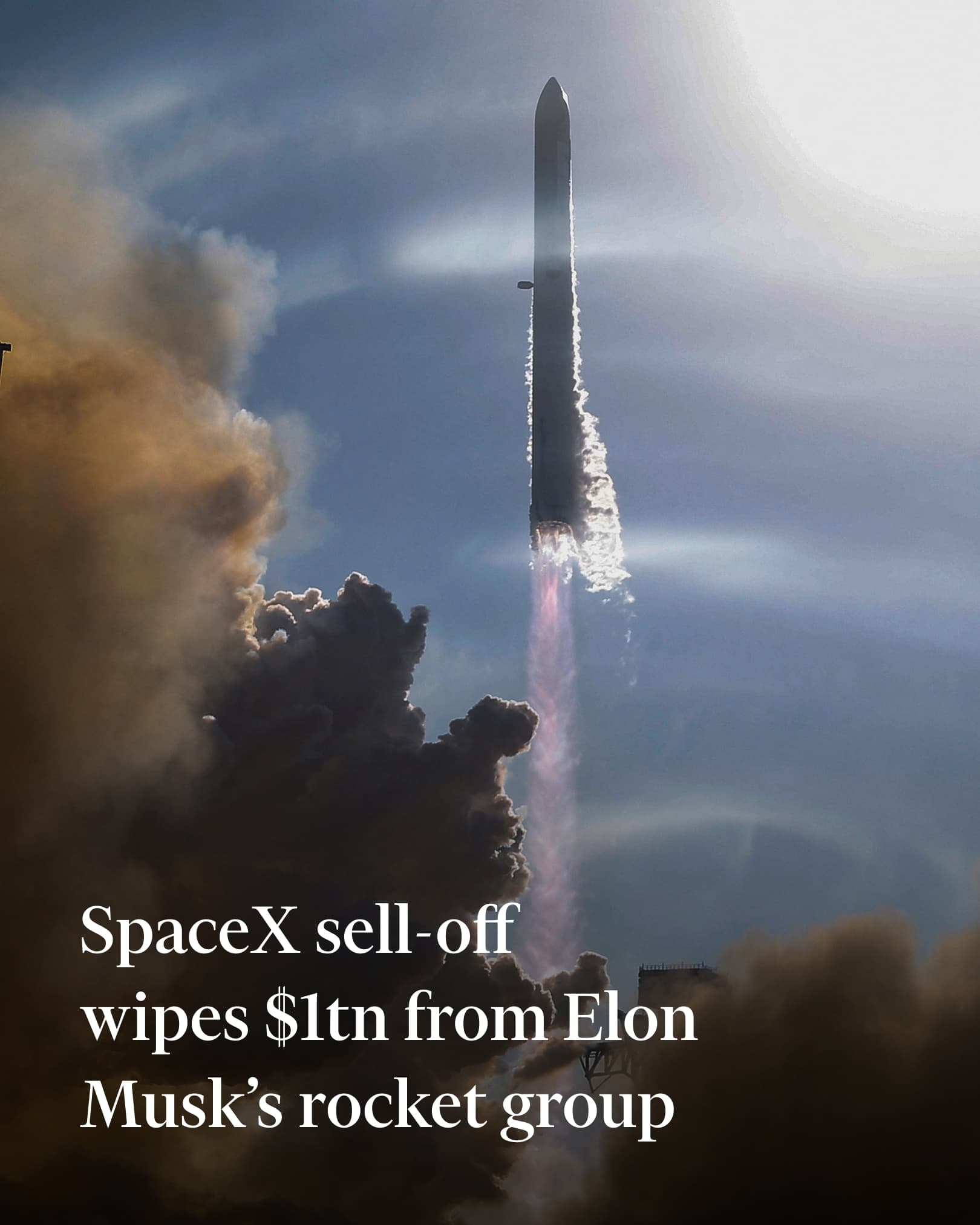
Reports from the Financial Times indicate that the latest sell-off has wiped out an estimated $800 billion to $1 trillion in market value from Elon Musk's broader business empire since its peak post-listing. While SpaceX continues to lead in reusable rocket launches and satellite deployment through its Starlink service, public market sentiment has shifted towards a focus on earnings, cash flow, and valuation metrics rather than long-term visionary goals alone.
The significance of falling below the IPO price cannot be overstated, as many investors view this price point as a benchmark for market confidence. When shares dip below this level, it often triggers additional selling from traders looking to mitigate losses, while value investors begin to reassess whether the shares have become attractive again. This dynamic can lead to rapid shifts in market sentiment, either exacerbating the decline or sparking a recovery.
Despite the recent downturn, SpaceX retains several competitive advantages that could support its future growth. The company dominates the commercial launch services sector, conducts frequent Falcon missions, and is in the process of developing its next-generation Starship system. Additionally, SpaceX operates one of the largest satellite internet networks through Starlink, which generates significant revenue opportunities that analysts believe could bolster future growth.
However, investors are also mindful of substantial risks that could impact SpaceX's trajectory. Large capital expenditures, ongoing costs associated with Starship development, global economic uncertainties, interest rate fluctuations, and increasing competition within the space industry have all contributed to a more cautious investment climate. High-growth companies like SpaceX often experience sharp valuation swings as market expectations adjust.
The decline in stock value has also had implications for Elon Musk's estimated net worth. Although he remains one of the wealthiest individuals in the world, the volatility of his major holdings can lead to significant fluctuations in his wealth, adding or erasing tens of billions of dollars within days. This situation underscores the close relationship between billionaire wealth and stock market performance, rather than cash reserves.
For long-term shareholders, the pressing question is whether this recent correction signifies a temporary setback or a more profound reassessment of SpaceX's future valuation. The company's quarterly financial performance, successful execution of major space missions, growth in Starlink subscribers, and broader market conditions will play crucial roles in shaping investor sentiment in the coming months.
Historically, innovative technology companies often undergo periods of significant volatility before establishing stable long-term valuations. Whether SpaceX will follow this trend remains one of the most compelling narratives in global financial markets.
Published by Banx Network. This article is part of the Banx decentralized media programme, powered by the BXE token on the XRP Ledger.