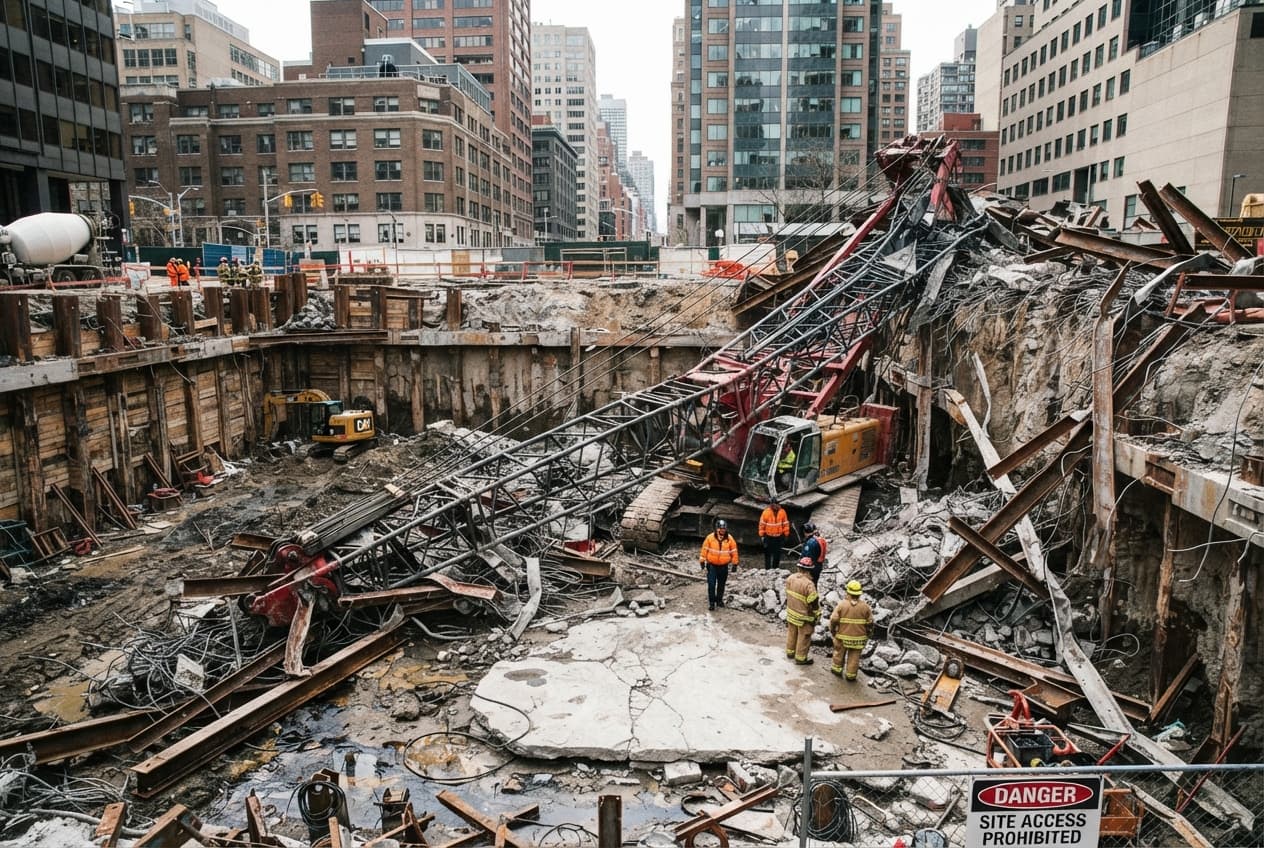
Badagry, Nigeria—Thirty two people died on Monday when a Nigerian military transport aircraft crashed into shallow waters off the southwestern coastline during a routine training rotation. Emergency rescue units scrambled boats and personnel toward the impact zone as thick smoke billowed across the maritime boundary. Flight tracking markers disappeared from regional radar screens shortly after midday, confirming a catastrophic loss of altitude before impact. Local fishermen watched the aircraft bank sharply toward the water before disappearing beneath the surface.
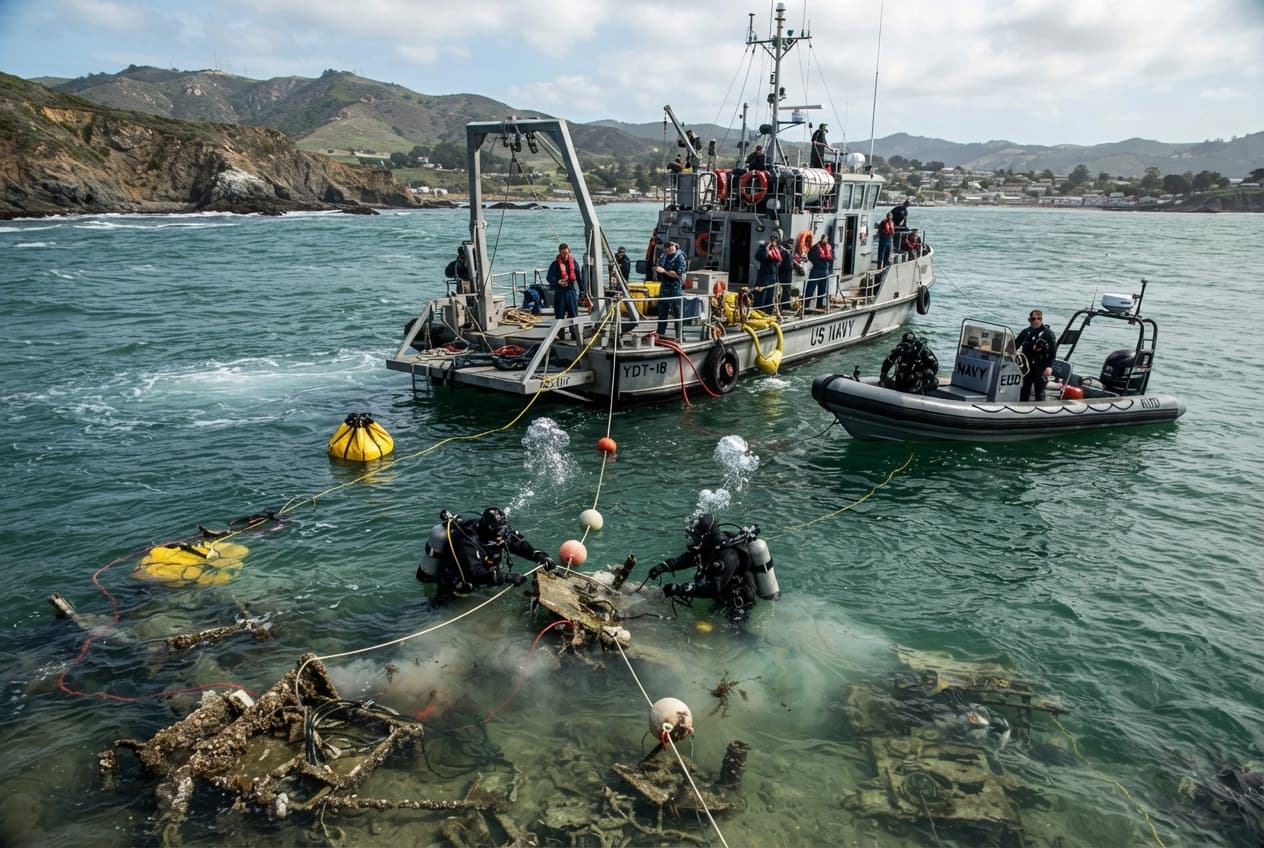
Military authorities sealed off the surrounding access roads leading to the primary naval outpost as recovery teams deployed heavy equipment. Divers combed the murky seabed through the afternoon hours, pulling wreckage fragments and personal effects onto waiting patrol barges. Investigators from the Nigerian Safety Investigation Bureau arrived at the tactical command center before sundown to secure flight data recorders.
"The structural disintegration of the fuselage upon water impact left minimal survivable space for anyone aboard the aircraft," a senior defense ministry logistics coordinator stated at the scene.
Heavy swells hampered the initial sweep, forcing rescue boats to wait for low tide before hoisting larger fuselage segments from the mud. Ambulances lined the concrete pier as body bags were transferred under heavy military escort to a regional forensic center. Relatives gathered outside the gates demanding passenger manifests, but officers turned them back without providing immediate answers.
Local hospitals activated mass casualty protocols early in the afternoon, though medical staff quickly realized no survivors were being transported inland. Port authorities suspended commercial shipping lanes within a ten-mile radius to keep maritime traffic clear of the recovery zone. Salvage crews secured floating debris nets to catch fuel slicks drifting toward the mangrove shoreline.
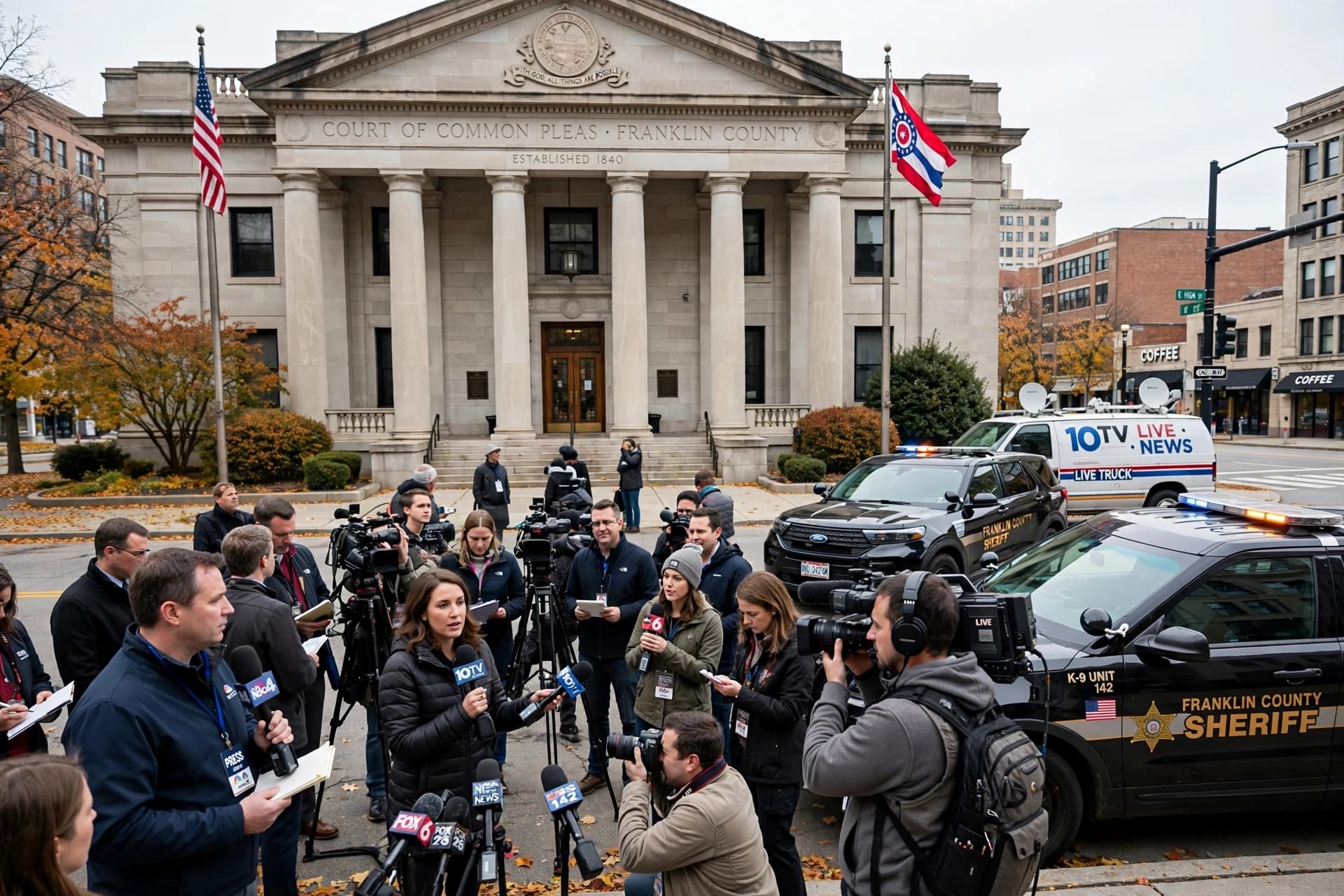
Military engineers established temporary command tents on the beach to catalog recovered equipment recovered by Navy divers. Maintenance logs from the air base were seized by federal investigators reviewing the aircraft service history. Senior commanders refused to answer questions from reporters gathered outside the perimeter fence as darkness fell over the coastline.
Forensic pathologists began intake procedures for the remains arriving from the recovery vessels under armed guard. Transport ministry officials confirmed that a preliminary findings report would be released once black box data extraction was complete. The immediate perimeter remained locked down as search vessels continued sweeping the debris field under floodlights.
Published by Banx Network. This article is part of the Banx decentralized media programme, powered by the BXE token on the XRP Ledger.