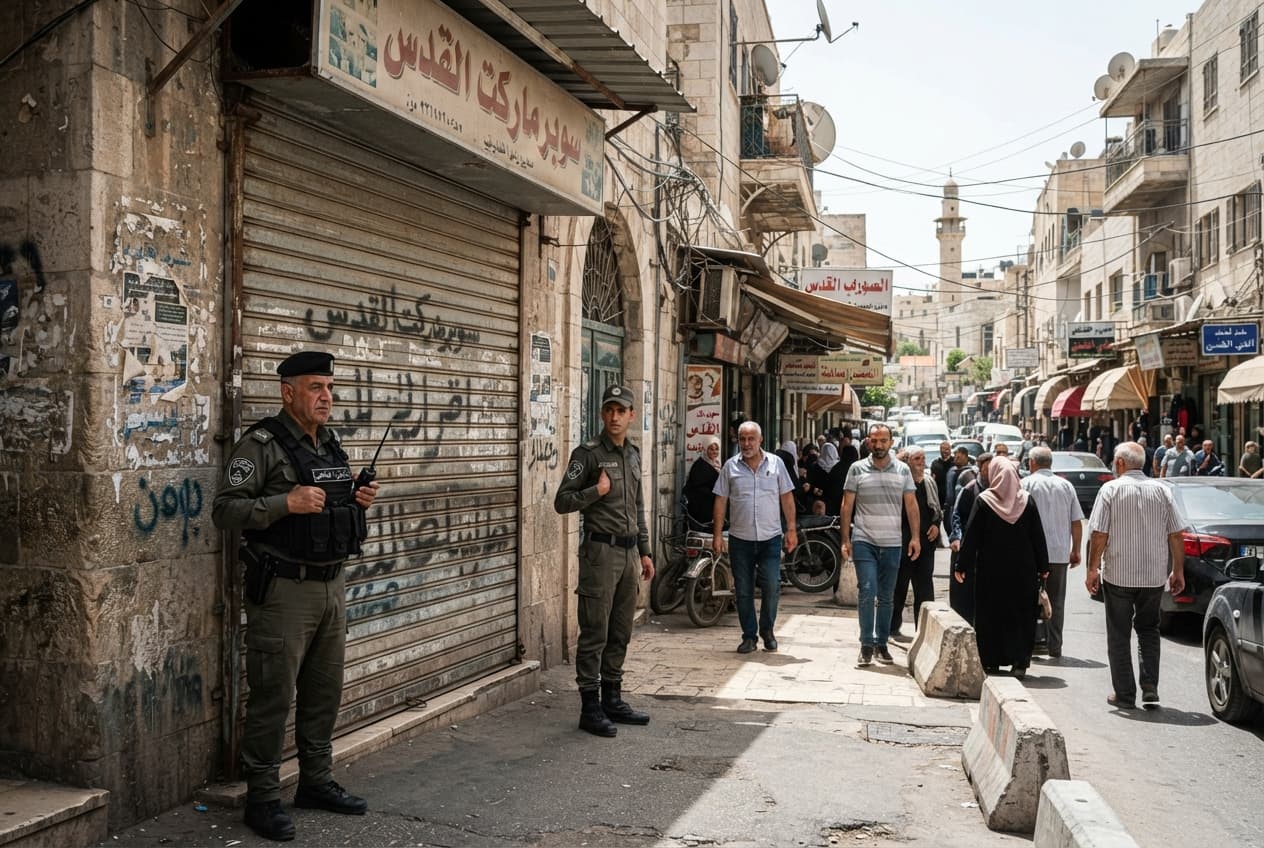
Along the hills and border towns of southern Lebanon, daily life has increasingly unfolded beneath the distant sound of aircraft and uncertainty. Roads once associated with ordinary routines now carry the weight of caution, while communities near the frontier continue adjusting to a fragile reality shaped by recurring exchanges of fire and growing regional tension.
At least eight people were reported killed following Israeli air attacks on southern Lebanon, according to local officials and regional media reports. The strikes came amid continuing cross-border hostilities involving Israeli forces and armed groups operating near the Lebanon-Israel frontier.
Israeli authorities stated that military operations targeted positions linked to Hezbollah, the Iran-backed armed movement based in Lebanon. The Israeli military has repeatedly said its actions are aimed at responding to security threats and attacks launched toward northern Israeli territory.
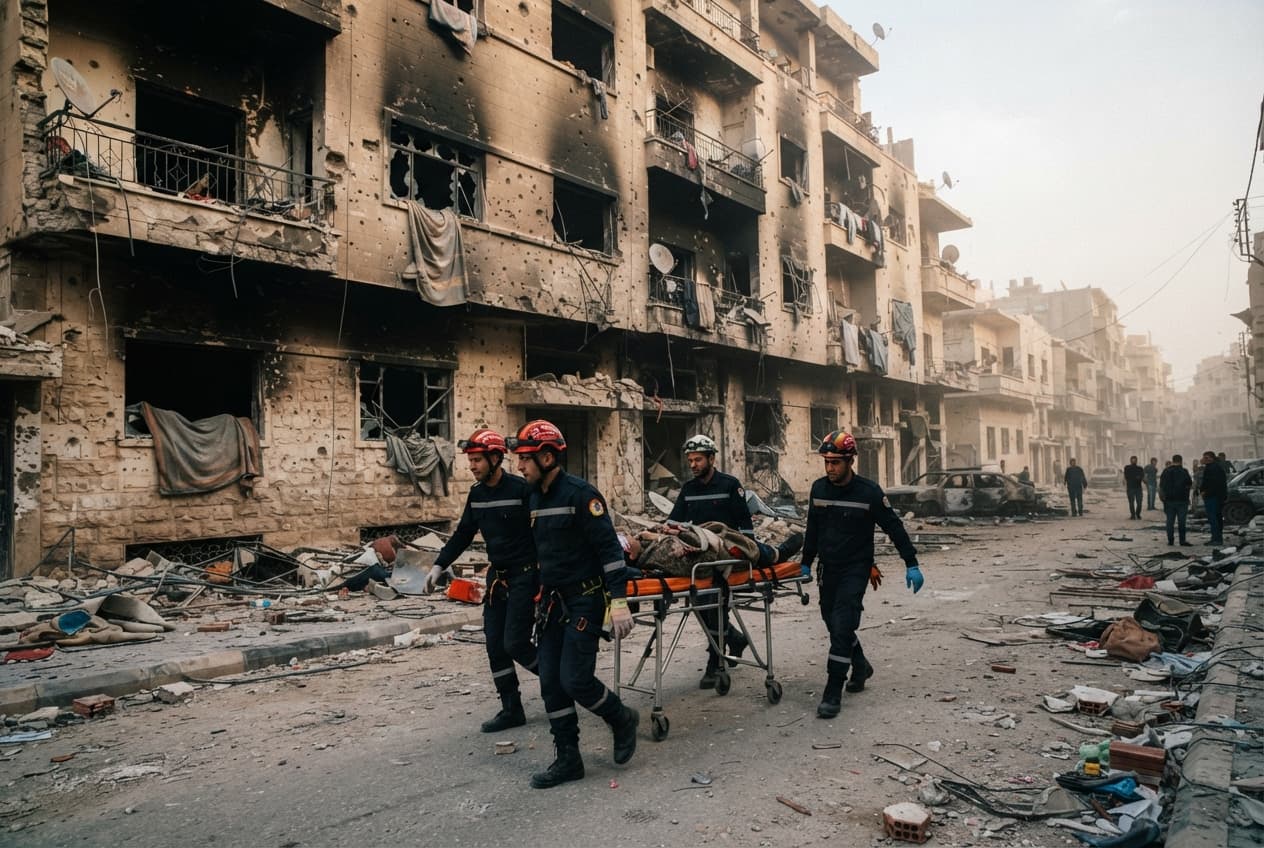
Lebanese officials and local residents described scenes of damage in several southern communities, where emergency crews and civilians searched through affected areas after the strikes. Reports indicated that residential zones and nearby infrastructure were impacted during the attacks.
The border region has experienced heightened instability since the outbreak of the Gaza conflict, with exchanges of fire becoming increasingly frequent over recent months. International observers continue expressing concern that the violence could widen into a broader regional confrontation.
Diplomatic efforts led by regional and international actors have sought to prevent further escalation between Israel and Hezbollah. The United Nations and several governments have repeatedly urged restraint while emphasizing the risks posed to civilians living near the border.
Humanitarian organizations also warned about the growing pressure on communities displaced by repeated violence. Many residents in southern Lebanon and northern Israel have faced ongoing disruptions to schools, businesses, and daily movement due to security concerns.
Military analysts noted that both Israel and Hezbollah appear cautious about triggering a full-scale war, even as smaller confrontations continue raising tensions. However, observers also warned that repeated incidents increase the possibility of miscalculation during already volatile conditions.
Lebanese authorities confirmed that investigations and rescue efforts were continuing following the strikes, while international calls for de-escalation persisted across diplomatic channels.
AI-generated image disclaimer: Some visuals accompanying this report may include AI-generated representations of conflict zones and emergency response scenes.
Sources: Reuters, Associated Press, BBC News, Al Jazeera, The Guardian
Published by Banx Network. This article is part of the Banx decentralized media programme, powered by the BXE token on the XRP Ledger.