The sun hangs heavy in the sky, a relentless orb that seems to press down upon the landscape with tangible weight. Across the American South, the air shimmers with heat, transforming familiar streets into mirages and turning afternoons into periods of necessary stillness. This week, a persistent heat wave has settled over the region, bringing triple-digit temperatures that challenge both the infrastructure and the endurance of those who call this vibrant corner of the country home.
Meteorologists describe the pattern as a "heat dome," a high-pressure system that traps warm air near the surface, preventing it from rising and cooling. For residents from Texas to the Carolinas, this means days where the mercury climbs well above one hundred degrees, often accompanied by humidity that makes the air feel even thicker. The National Weather Service has issued excessive heat warnings, urging caution and hydration as the body works harder to regulate its temperature in such extreme conditions.
The impact is felt in the rhythm of daily life. Construction crews adjust their schedules to work in the cooler early morning hours. Schools and community centers open their doors as cooling shelters for those without reliable air conditioning. Outdoor activities, from sports practices to neighborhood gatherings, are postponed or moved indoors. It is a collective adaptation, a quiet acknowledgment that nature dictates the pace when the heat becomes oppressive.
Energy grids face significant strain as millions of air conditioners hum in unison, drawing power to create pockets of relief within homes and offices. Utility companies monitor demand closely, preparing for potential fluctuations while encouraging consumers to conserve energy where possible. The interplay between human comfort and environmental limits is starkly visible during these events, highlighting the dependence on technology to mitigate the forces of nature.
Health officials emphasize the dangers of heat exhaustion and heat stroke, particularly for the elderly, young children, and those with pre-existing medical conditions. Simple measures, such as drinking water, wearing light clothing, and staying out of the direct sun, become vital acts of self-care. Community networks often check on vulnerable neighbors, reinforcing the social bonds that strengthen resilience in times of physical stress.
Beyond the immediate discomfort, the heat wave serves as a reminder of broader climatic trends. While weather varies naturally, the frequency and intensity of such extreme events have drawn attention from scientists studying climate change. Each summer adds data to a growing record, prompting discussions about urban planning, green spaces, and long-term adaptation strategies to make cities more livable in a warming world.
As the week progresses, the forecast offers little reprieve, with temperatures expected to remain high until a frontal system moves through later in the weekend. Until then, the South endures, finding ways to cope with the sweltering air. There is a shared sense of patience, a waiting for the cool breeze that will eventually return to break the stagnation.
In the meantime, the landscape rests under the intense gaze of the sun. Trees droop slightly, seeking moisture from deep roots, while people move with deliberate slowness, conserving energy. It is a time of reflection on our relationship with the environment, respecting its power while navigating its challenges with care and community support.
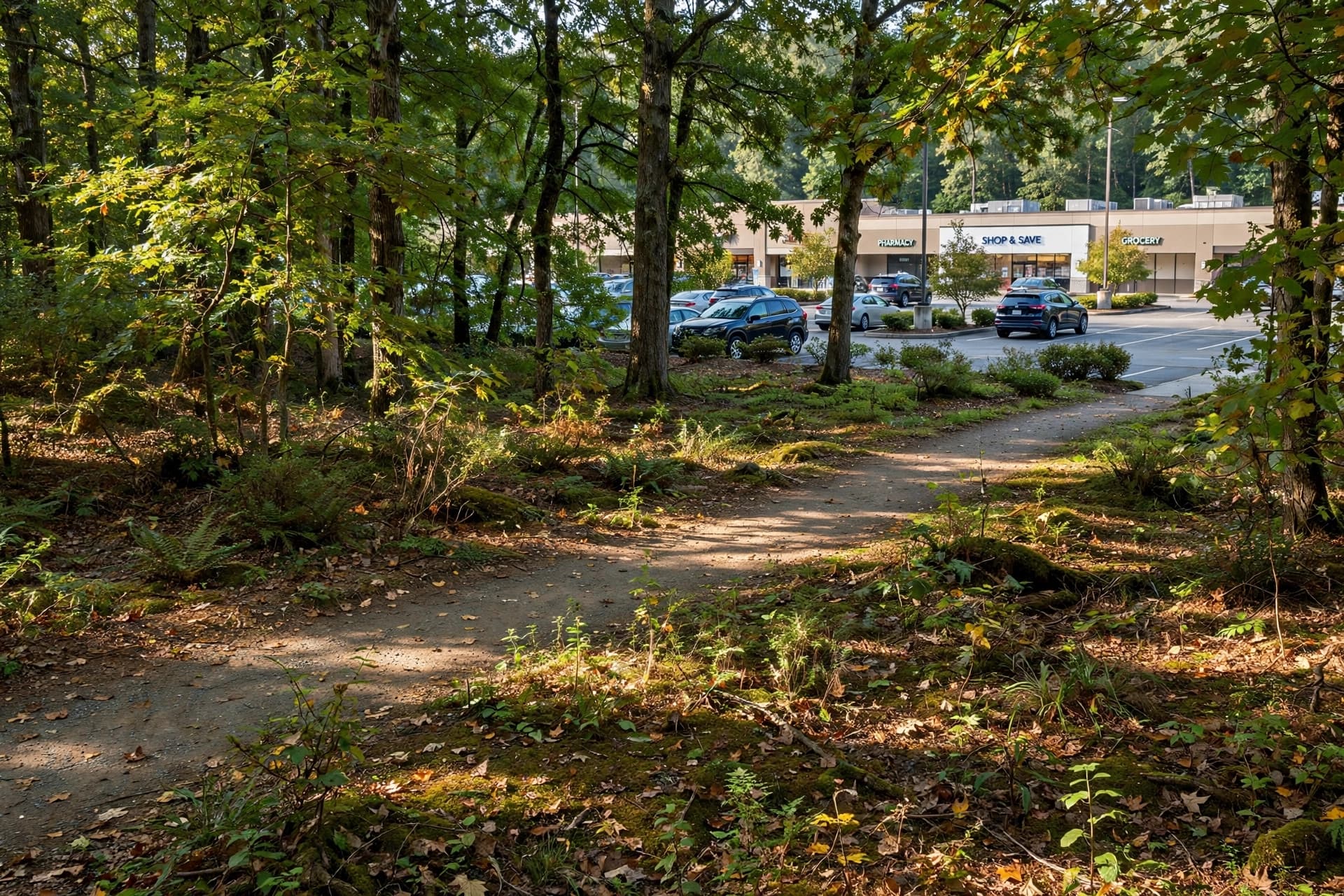
AI Image Disclaimer: The visual elements in this article are AI-generated illustrations depicting sunny landscapes and thermometers, designed to visualize the concept of extreme heat without showing real individuals suffering from heatstroke.
Sources: National Weather Service, CNN, The Weather Channel, AccuWeather
Published by Banx Network. This article is part of the Banx decentralized media programme, powered by the BXE token on the XRP Ledger.