
Key Highlights
- Southeast Asia is investing heavily in sustainable energy infrastructure to meet rising energy demands.
- Policymakers prioritize renewable energy projects, including solar, wind, and hydropower.
- Financial institutions are crucial in supporting infrastructure development despite financing challenges.
Southeast Asia is witnessing a transformative shift in its energy landscape as governments across the region ramp up investments in sustainable energy infrastructure. This strategic move is driven by the dual pressures of increasing energy demand and the urgent need to address environmental concerns. As urbanization and industrial growth accelerate, the region's energy consumption is projected to rise significantly in the coming decades, prompting policymakers to prioritize the development of renewable energy sources and modernized infrastructure.
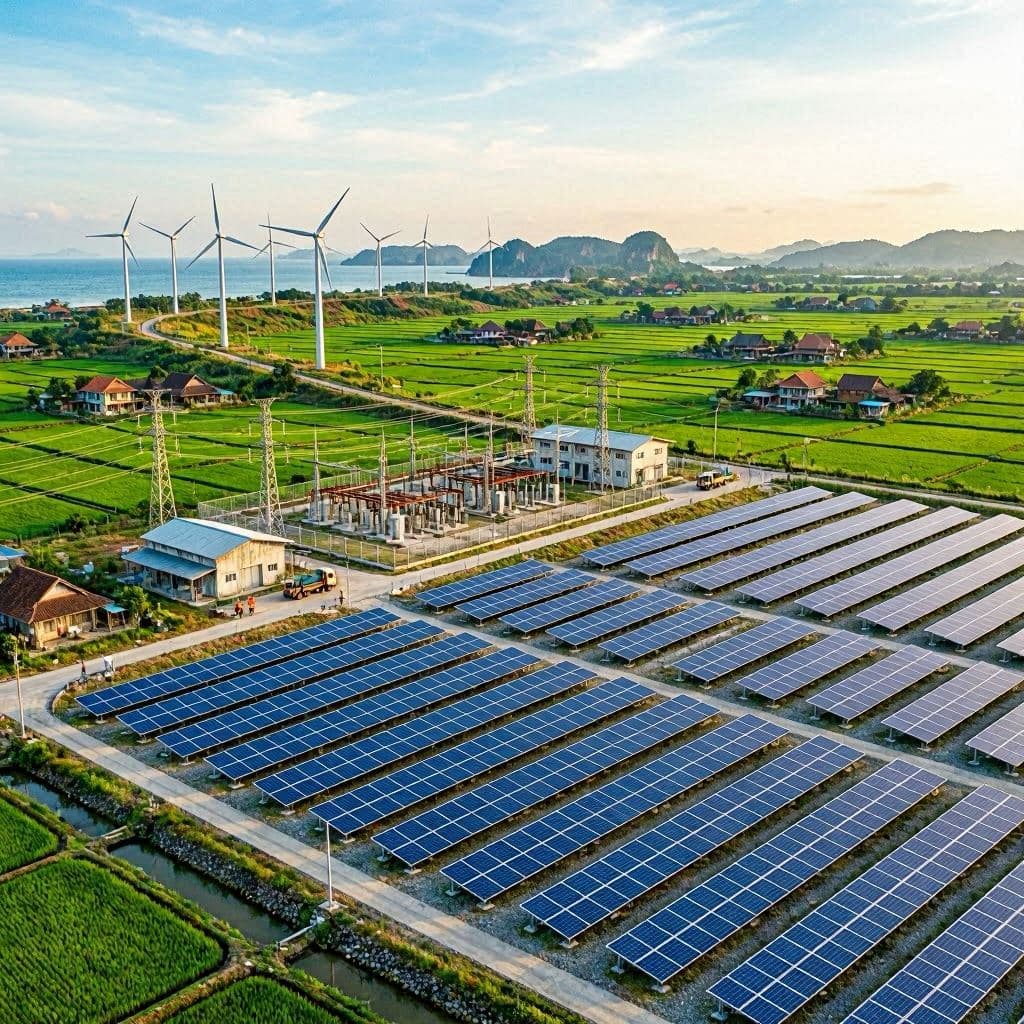
The focus on renewable energy is evident in the growing number of solar and wind projects that have attracted both public and private investment. Countries in the region are also exploring large-scale hydropower initiatives and innovative technologies such as green hydrogen, which promise to diversify energy sources and enhance sustainability. These investments are not only aimed at meeting current energy needs but also at ensuring a resilient energy future that can withstand the challenges posed by climate change.
Modernizing transmission infrastructure is equally critical in this transition. Experts emphasize that efficient grid systems are essential for integrating intermittent renewable energy sources, such as solar and wind, into the existing energy mix. By improving transmission networks, Southeast Asia can ensure stable electricity supplies and reduce reliance on fossil fuels, which have historically dominated the energy landscape.
Financial institutions and development banks are expected to play a pivotal role in facilitating these infrastructure ambitions. Public-private partnerships are being promoted as a means to mobilize additional investment, leveraging both public resources and private sector expertise. However, despite the positive momentum, significant financing challenges remain. Many renewable energy projects require substantial capital expenditures, and regulatory uncertainties can deter potential investors.
Nevertheless, the increasing investment momentum in Southeast Asia indicates a commitment to laying the foundations for a sustainable and resilient energy system. As governments and stakeholders collaborate to overcome barriers, the region is poised to emerge as a leader in sustainable energy development, setting a precedent for other regions facing similar challenges.
The path forward will require continued innovation, collaboration, and a willingness to adapt to changing circumstances. With the right investments and policies in place, Southeast Asia can not only meet its energy needs but also contribute to global efforts to combat climate change and promote sustainable development.
Published by Banx Network. This article is part of the Banx decentralized media programme, powered by the BXE token on the XRP Ledger.



