Key Highlights
- Regulatory Shift:South Korea is set to classify tokenized stocks as securities.
- Tax Implications:Investors may face tax obligations of up to 33% starting in 2026.
- Global Trend:The move aligns with a worldwide regulatory trend distinguishing cryptocurrencies from tokenized assets.
South Korea is preparing for a potentially significant regulatory shift after officials indicated that tokenized stocks should be classified as securities rather than crypto assets. This position, highlighted by reports referencing the country's Finance Ministry, could reshape the regulatory landscape for digital investment products and affect thousands of investors participating in tokenized equity markets.
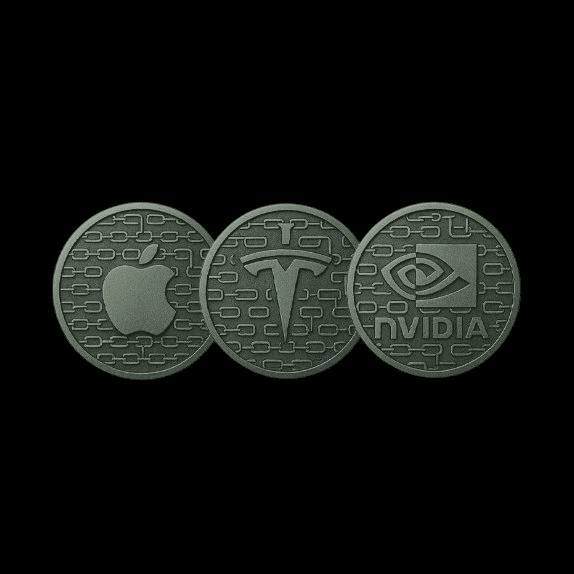
Tokenized stocks are blockchain-based representations of traditional shares that allow investors to gain exposure to publicly traded companies through digital platforms. While many market participants expected these products to fall under cryptocurrency regulations, authorities appear inclined to regulate them under existing securities frameworks. This shift could have profound implications for the burgeoning market of tokenized assets, which has gained traction in recent years.
If regulators formally confirm the classification in the coming months, investors could face tax obligations of up to 33% beginning in the second half of 2026. The potential change has drawn attention because many traders previously believed tokenized stocks would remain exempt from taxation until South Korea's broader cryptocurrency tax regime is introduced in 2027. This anticipated tax framework has raised concerns among investors who may not have prepared for such financial obligations.
The clarification reflects a growing global trend in which regulators distinguish between cryptocurrencies and tokenized representations of traditional financial assets. Authorities argue that tokenized shares derive their value directly from underlying securities and therefore warrant treatment similar to conventional investment instruments. This perspective aligns with regulatory approaches in other countries that are also grappling with how to classify and tax digital assets.
Industry participants are now awaiting official guidance that could determine reporting requirements, investor protections, and tax treatment. The decision may also influence regulatory approaches in other jurisdictions examining how blockchain technology fits within existing financial laws. As tokenized finance continues to grow, South Korea's stance could become an important reference point for future digital asset regulation worldwide.
The implications of this regulatory shift extend beyond South Korea's borders. As other nations observe the developments in South Korea, they may be prompted to reevaluate their own regulatory frameworks concerning tokenized assets. This could lead to a more harmonized approach to digital asset regulation globally, fostering a safer investment environment for participants in the tokenized finance space.
In conclusion, South Korea's potential reclassification of tokenized stocks as securities marks a pivotal moment in the evolution of digital asset regulation. As the country moves forward with these changes, the financial landscape for investors in tokenized stocks is set to transform significantly.
Published by Banx Network. This article is part of the Banx decentralized media programme, powered by the BXE token on the XRP Ledger.