
Key Highlights
- Incident:A cargo ship capsized off the southern coast of South Korea.
- Fatalities:Two sailors confirmed dead due to hypothermia and injuries.
- Rescue Efforts:Coast guard and helicopters deployed for search and rescue operations.
Busan, South Korea—A cargo ship capsized in treacherous waters off the southern peninsula, prompting a swift response from the coast guard and maritime rescue teams. The incident occurred amid gale-force winds and poor visibility, complicating initial rescue efforts. The vessel reportedly faced severe stability issues after its cargo shifted during a critical navigational maneuver, leading to distress signals being sent from the ship's bridge.
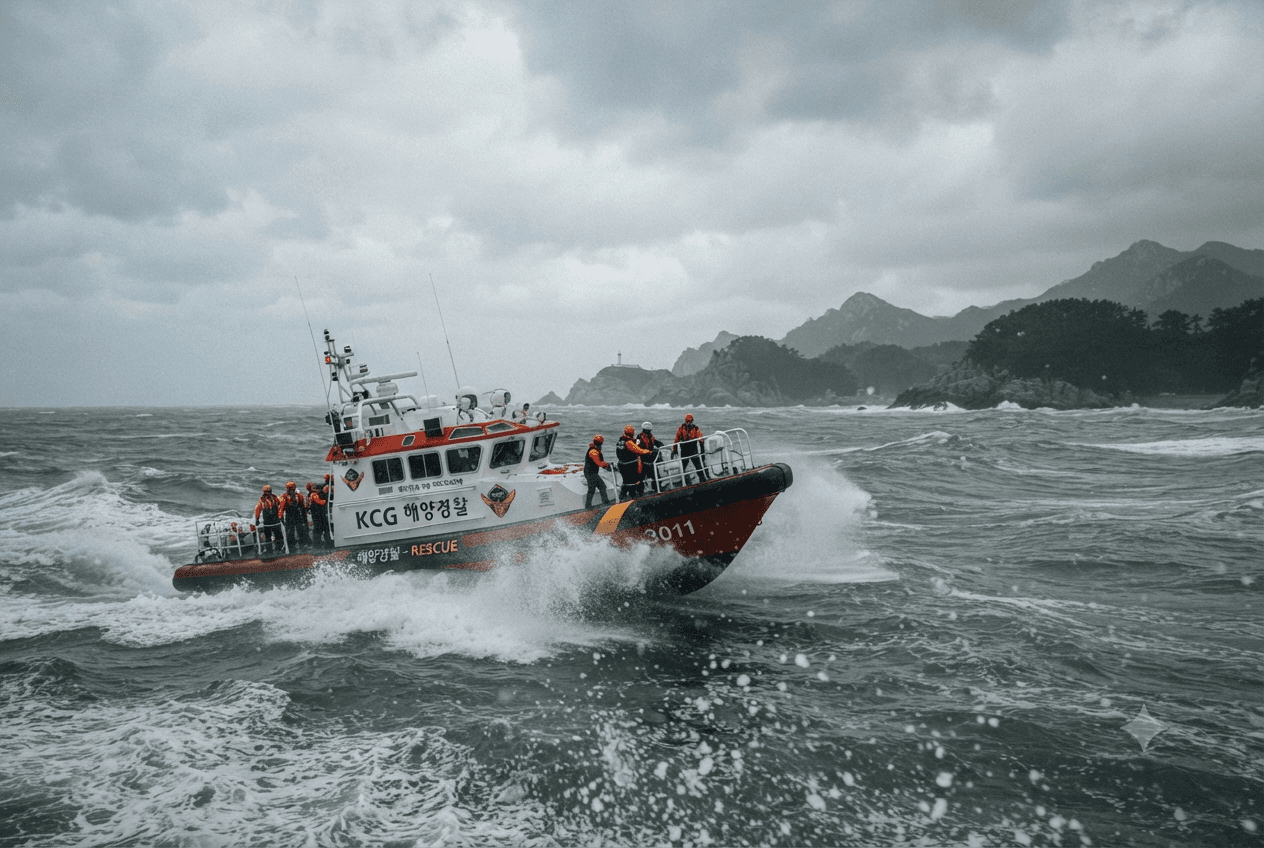
Rescue operations were launched immediately, with coast guard vessels racing to the scene. Helicopters equipped with high-intensity searchlights scoured the debris field, while rescue swimmers braved the choppy waters to locate survivors. Several crew members were successfully pulled from the freezing sea, but tragically, two sailors succumbed to hypothermia and impact injuries sustained during the capsize.
The surviving crew members were transported to regional trauma hospitals for urgent medical attention. Medical examiners confirmed the fatalities, highlighting the dangers faced by maritime workers in adverse weather conditions. As the situation unfolded, maritime investigators began impounding the ship's digital voyage data recorders to analyze the final hours leading up to the incident.
In response to the tragedy, port authorities issued temporary navigation warnings across the shipping lane, while salvage operations commenced to recover the vessel and prevent environmental damage. Engineering teams were deployed to assess containment measures to mitigate any potential fuel oil leakage from the submerged hull. Government ministers have pledged a thorough inquiry into the incident, focusing on cargo securing protocols and adherence to weather advisories.
Maritime unions expressed their condolences to the families of the deceased crew members and called for stricter safety regulations to prevent similar incidents in the future. As weather conditions gradually improved, salvage tugs secured mooring lines around the overturned hull, marking the transition to long-term wreck removal and environmental protection efforts.
The incident serves as a stark reminder of the inherent risks associated with maritime operations, particularly in challenging weather conditions. Authorities are expected to release further details as investigations continue and the maritime community reflects on the lessons learned from this tragic event.
Published by Banx Network. This article is part of the Banx decentralized media programme, powered by the BXE token on the XRP Ledger.



