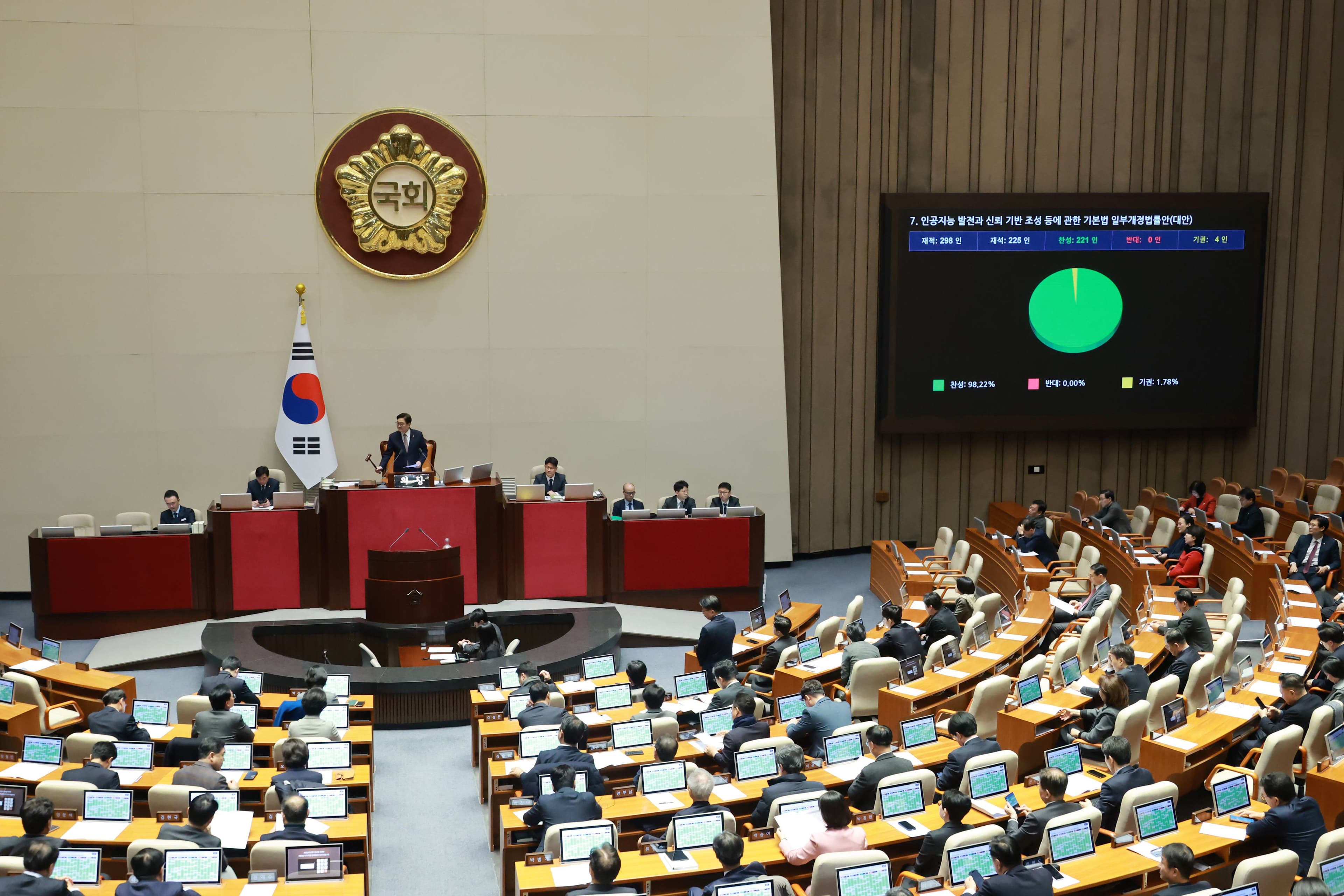
On January 22, 2026, South Korea introduced the AI Basic Act, a groundbreaking legislative effort aimed at regulating artificial intelligence comprehensively. The government's ambition is to become one of the top three AI powerhouses globally, alongside the U.S. and China. While this move has been met with international attention, significant pushback has arisen from the local startup community.
The Act encompasses stringent requirements for “high-impact” AI applications, which include areas such as healthcare, financial services, and infrastructure safety. Companies must apply human oversight, ensure clear labeling for AI-generated content, and provide advance notice to users regarding AI implementations. Failure to comply can result in fines of up to 30 million won (approximately $20,400), though a grace period of at least a year has been offered before penalties are enforced.
Many entrepreneurs have voiced frustration over the vague language of the regulations. Lim Jung-wook, co-head of South Korea's Startup Alliance, articulated that many founders feel resentment for being the first to navigate such a complex landscape. He stated, "There's a bit of resentment—why do we have to be the first to do this?" This sentiment reflects worries that ambiguity in the law could lead startups to adopt overly cautious approaches, hindering their ability to innovate.
President Lee Jae Myung acknowledged these concerns and urged policymakers to remain receptive to the industry's feedback. He emphasized the importance of balancing regulatory oversight with the need to foster growth and support for venture companies.
While the law is designed to bolster public trust in AI technologies, industry leaders argue that it could inadvertently result in reduced experimentation and slower progress. The Ministry of Science and ICT is preparing resources to guide companies through compliance, aiming to minimize industry burdens while upholding the framework's safety objectives.
South Korea’s approach adopts a position markedly distinct from that of the U.S., which favors lighter regulatory oversight, and the EU, which is deploying its AI regulations in phases until 2027. As global tensions surrounding technology regulation simmer, South Korea's initiative marks a significant effort to define the future of AI governance while navigating the competing pressures of innovation and safety.
With the world watching closely, the country’s ability to implement these laws effectively could set a precedent for future international AI regulatory efforts.
Published by Banx Network. This article is part of the Banx decentralized media programme, powered by the BXE token on the XRP Ledger.