
Key Highlights
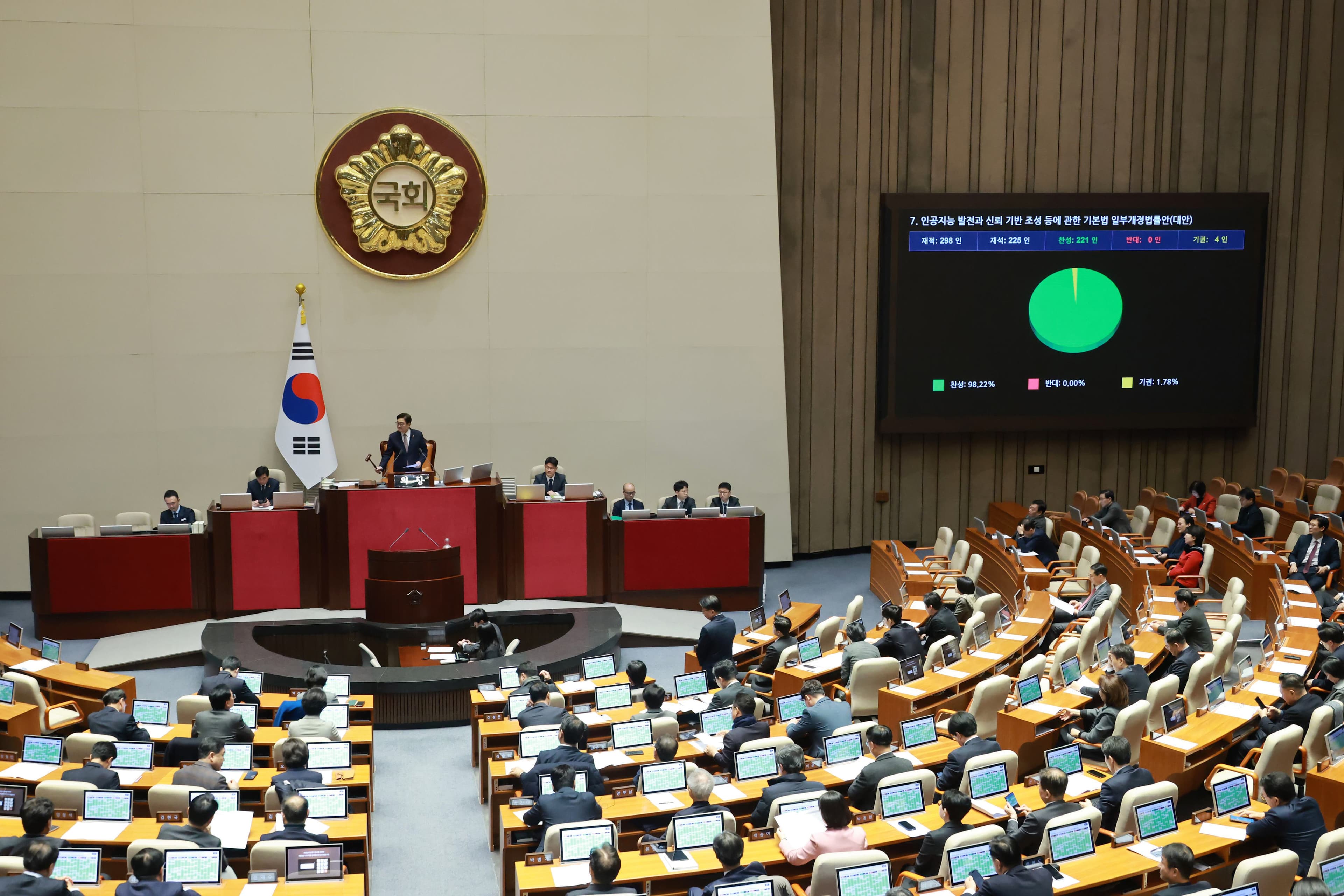
- South Korea introduced the AI Basic Act on January 22, 2026, aiming to regulate AI comprehensively.
- The Act imposes strict requirements on high-impact AI applications, including fines for non-compliance.
- Local startups express concerns over vague regulations, fearing innovation may be stifled.
On January 22, 2026, South Korea unveiled the AI Basic Act, a pioneering legislative initiative designed to regulate artificial intelligence comprehensively. This ambitious move is part of the government's strategy to position South Korea among the top three AI powerhouses globally, alongside the United States and China. However, the introduction of this law has sparked significant pushback from the local startup community, which is concerned about the implications of such stringent regulations.
The AI Basic Act outlines rigorous requirements for “high-impact” AI applications, which encompass critical sectors such as healthcare, financial services, and infrastructure safety. Companies operating in these areas are mandated to implement human oversight, ensure clear labeling for AI-generated content, and notify users in advance about AI applications. Non-compliance could lead to hefty fines of up to 30 million won (approximately $20,400), although the government has provided a grace period of at least one year before penalties are enforced.
Entrepreneurs have expressed frustration regarding the ambiguous language of the regulations. Lim Jung-wook, co-head of South Korea's Startup Alliance, articulated the sentiment among many founders who feel resentment about being the first to navigate such a complex regulatory landscape. He stated, "There's a bit of resentment—why do we have to be the first to do this?" This sentiment underscores concerns that the vagueness of the law could compel startups to adopt overly cautious strategies, potentially stifling their capacity for innovation.
In response to these concerns, President Lee Jae Myung acknowledged the challenges faced by the startup community and urged policymakers to remain open to industry feedback. He emphasized the necessity of balancing regulatory oversight with the imperative to foster growth and support for venture companies. This dialogue between the government and industry stakeholders is crucial for ensuring that the regulations do not hinder technological advancement.
While the AI Basic Act aims to enhance public trust in AI technologies, industry leaders warn that it could inadvertently lead to reduced experimentation and slower progress in the sector. The Ministry of Science and ICT is actively preparing resources to assist companies in navigating compliance, striving to minimize the burdens on the industry while maintaining the safety objectives of the framework.
South Korea's regulatory approach stands in stark contrast to that of the United States, which favors a more lenient oversight model, and the European Union, which is implementing its AI regulations in phases until 2027. As global tensions surrounding technology regulation continue to rise, South Korea's initiative represents a significant effort to shape the future of AI governance while balancing the competing demands of innovation and safety.
With the world closely monitoring South Korea's implementation of these laws, the effectiveness of this regulatory framework could set a precedent for future international efforts in AI governance, influencing how other nations approach the complex interplay of technology, regulation, and innovation.
Published by Banx Network. This article is part of the Banx decentralized media programme, powered by the BXE token on the XRP Ledger.



