The artificial intelligence boom has created a powerful current flowing through the global technology industry. Behind every new data center and increasingly capable AI system lies a growing demand for semiconductors. For South Korea, one of the world’s major chip-producing economies, that demand represents both opportunity and exposure.
On October 27, 2026, the Bank of Korea warned that the country’s semiconductor exports in 2027 could fall between $50 billion and $100 billion below earlier forecasts if major US technology companies reduce their spending on AI infrastructure. The figures came from a pessimistic scenario examined by the central bank.
The scenario assumed a 10% decline in Korean semiconductor prices. Under those conditions, the export shortfall could reduce South Korea’s projected economic growth by approximately 0.4 percentage point. The country’s current-account surplus could also fall well below the central bank’s initial forecast of $430 billion for 2027.
The concern reflects the importance of semiconductors to the Korean economy. Chips account for roughly half of the country’s exports, making changes in global demand particularly significant. A slowdown in this sector can influence more than manufacturers alone; it may affect investment, supplier networks, and broader economic expectations.
Much of the current optimism surrounding chips is connected to the expansion of AI infrastructure. Major US technology companies—including Amazon, Google, Microsoft, Meta, and Oracle—have increased spending on computing capacity. Their combined capital expenditure rose from approximately $40 billion in 2025 to an estimated $80 billion in 2026, with projections reaching $110 billion in 2027.
That expansion has supported demand for advanced memory chips and other semiconductor products used in data centers. But large investment forecasts do not guarantee a smooth path forward. Companies can adjust spending plans, technology requirements can change, and the prices of memory products can move quickly as supply and demand shift.
For South Korean manufacturers, the challenge is to benefit from AI growth without assuming that the current pace will continue indefinitely. Semiconductor production requires substantial investment, specialized equipment, and careful planning. If demand weakens after companies have expanded capacity, the industry may face pressure on prices and profitability.
The Bank of Korea’s analysis is a scenario rather than a prediction that the worst outcome will occur. The central bank also acknowledged uncertainty around future AI demand and the wider memory-chip business cycle. Continued investment could sustain demand, while a more cautious spending environment could produce a different result.
The warning offers a reminder that technological progress and economic resilience are closely linked, but not identical. South Korea’s chip industry remains central to the AI supply chain; its next challenge is navigating a market in which opportunity depends heavily on decisions made by customers around the world.
### Image Disclaimer
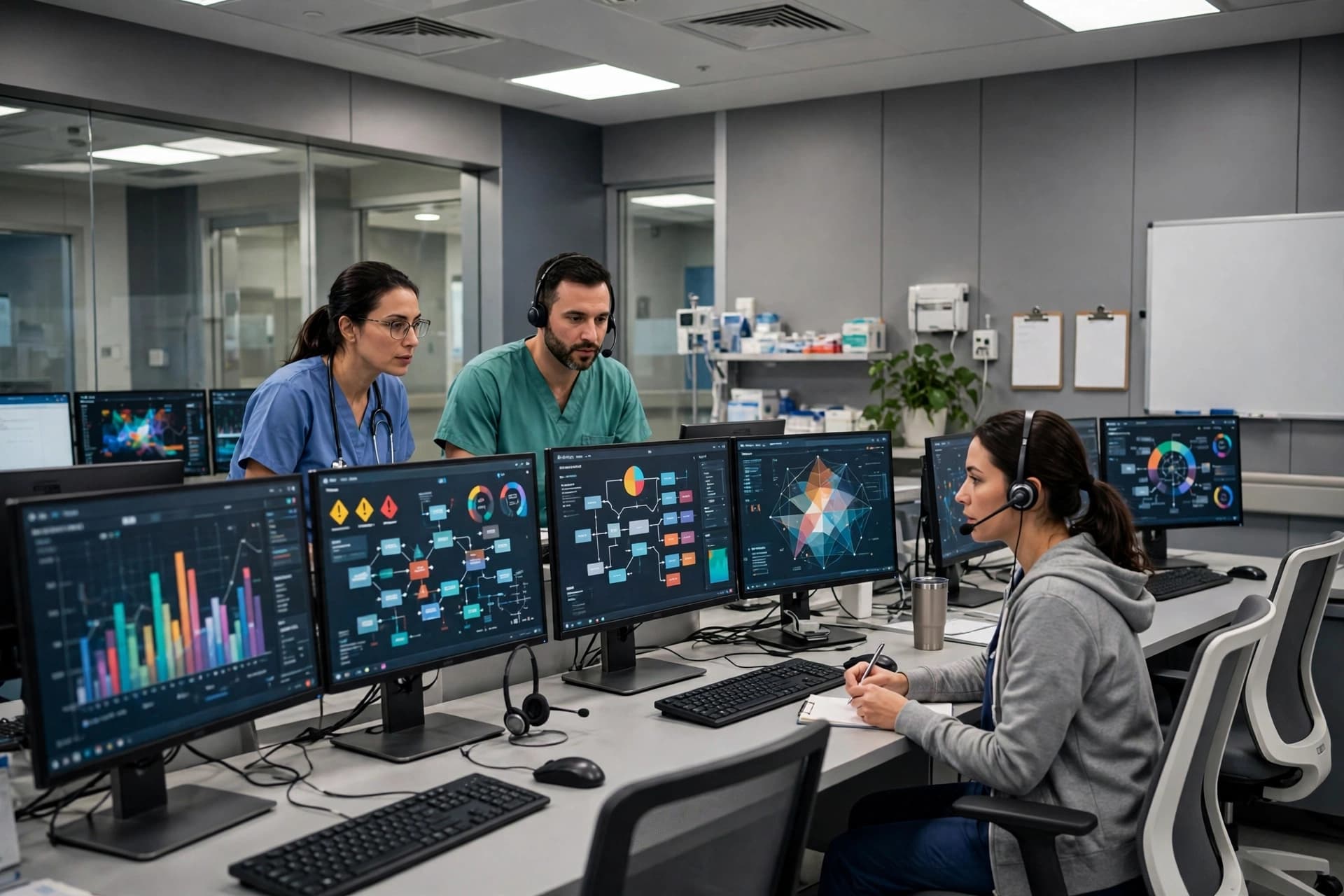
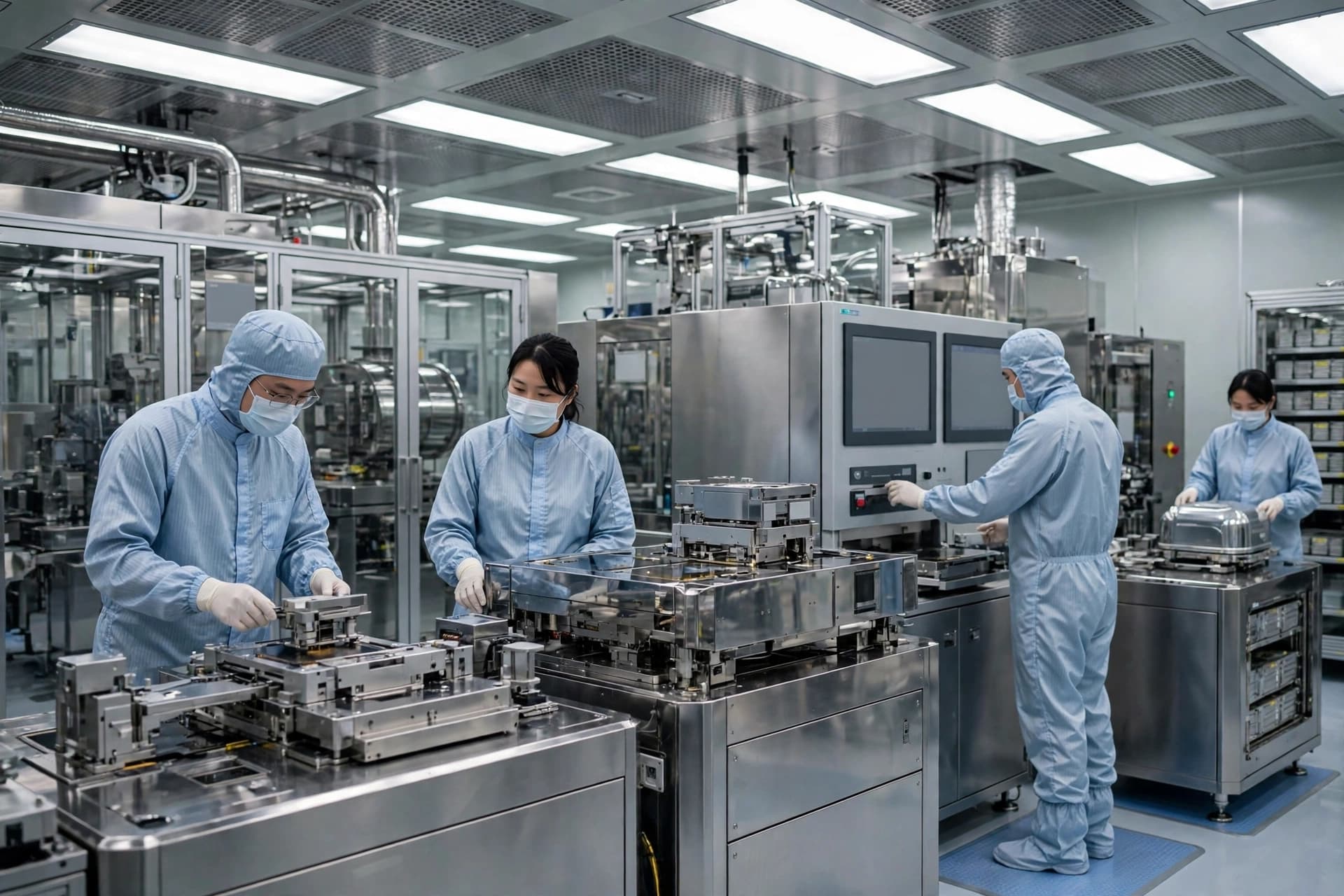
The illustrations are conceptual representations of South Korea’s semiconductor industry and the global AI market. They do not depict actual company facilities, confidential financial data, or a forecast of future market performance.
### Sources
• Reuters
• Bank of Korea
Published by Banx Network. This article is part of the Banx decentralized media programme, powered by the BXE token on the XRP Ledger.