
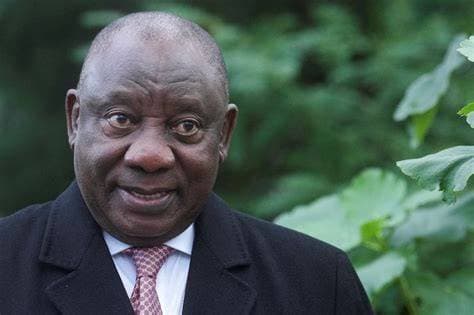
Key Highlights
- President Cyril Ramaphosa refuses to resign amid impeachment threats.
- Allegations of misconduct and corruption have intensified political pressure.
- The political landscape in South Africa is increasingly polarized.
In a decisive address, South African President Cyril Ramaphosa has firmly rejected calls for his resignation, asserting that he will not step down despite looming threats of impeachment. This statement comes in the wake of serious allegations regarding misconduct and corruption that have captured significant public and political attention across the nation.
Facing mounting pressure from opposition parties and dissenting voices within his own African National Congress (ANC) party, President Ramaphosa emphasized his commitment to fulfilling his duties and completing his term in office. He characterized the impeachment calls as politically motivated, suggesting they are part of a broader strategy aimed at destabilizing his administration and undermining the democratic process.
The political landscape in South Africa has become increasingly tumultuous, with various groups mobilizing to demand accountability in governance. Critics of the President argue that his leadership has been marred by scandal, and they insist that a transparent investigation is necessary to restore public trust in government institutions. This sentiment has been echoed by civil society organizations and opposition leaders who are calling for greater scrutiny of the President's actions.
In response to the growing discontent, President Ramaphosa has indicated his willingness to engage with the public and address their concerns. However, he remains steadfast in his belief that he has the right to govern and lead the country through these challenging times. His refusal to resign sets the stage for a potentially contentious political showdown, as discussions around possible impeachment procedures continue to unfold within the halls of power.
As the situation evolves, many South Africans are watching closely, questioning how this political drama will impact governance and public sentiment in the country. The President’s resolve may further polarize the political environment, deepening divides as various factions vie for influence and power. The outcome of this political crisis could have lasting implications for the future of South Africa's democracy and its governance.
In the coming weeks, the political atmosphere is expected to remain charged as both supporters and opponents of President Ramaphosa prepare for what could be a pivotal moment in South Africa's political history. The stakes are high, and the nation is poised for a significant confrontation that may redefine the political landscape.
Published by Banx Network. This article is part of the Banx decentralized media programme, powered by the BXE token on the XRP Ledger.



