In South Africa, a nation still healing from the wounds of its past, a new tragedy has struck at the heart of its communities. The discovery of the bodies of nine women in various locations has sparked waves of fear and anger across the country. This horrific event has reignited discussions about gender-based violence, safety, and the systemic issues that leave women vulnerable. It is a moment of collective mourning and outrage, demanding answers and action from authorities and society alike.
The victims were found in different provinces, suggesting a coordinated or serial nature to the crimes. Police have launched a massive investigation, deploying specialized units to track down the perpetrators. Forensic evidence is being analyzed, and witnesses are being interviewed. The scale of the tragedy has put immense pressure on law enforcement to deliver justice quickly. For the families of the victims, the wait is agonizing, filled with grief and uncertainty.
South Africa has long struggled with high rates of violence against women, often referred to as a "second pandemic." Statistics show that femicide rates are among the highest in the world, driven by deep-seated cultural norms, economic inequality, and inadequate legal protection. Each incident adds to the toll, eroding trust in institutions and fueling despair. The discovery of these nine bodies is not an isolated event but part of a broader crisis that demands urgent attention.
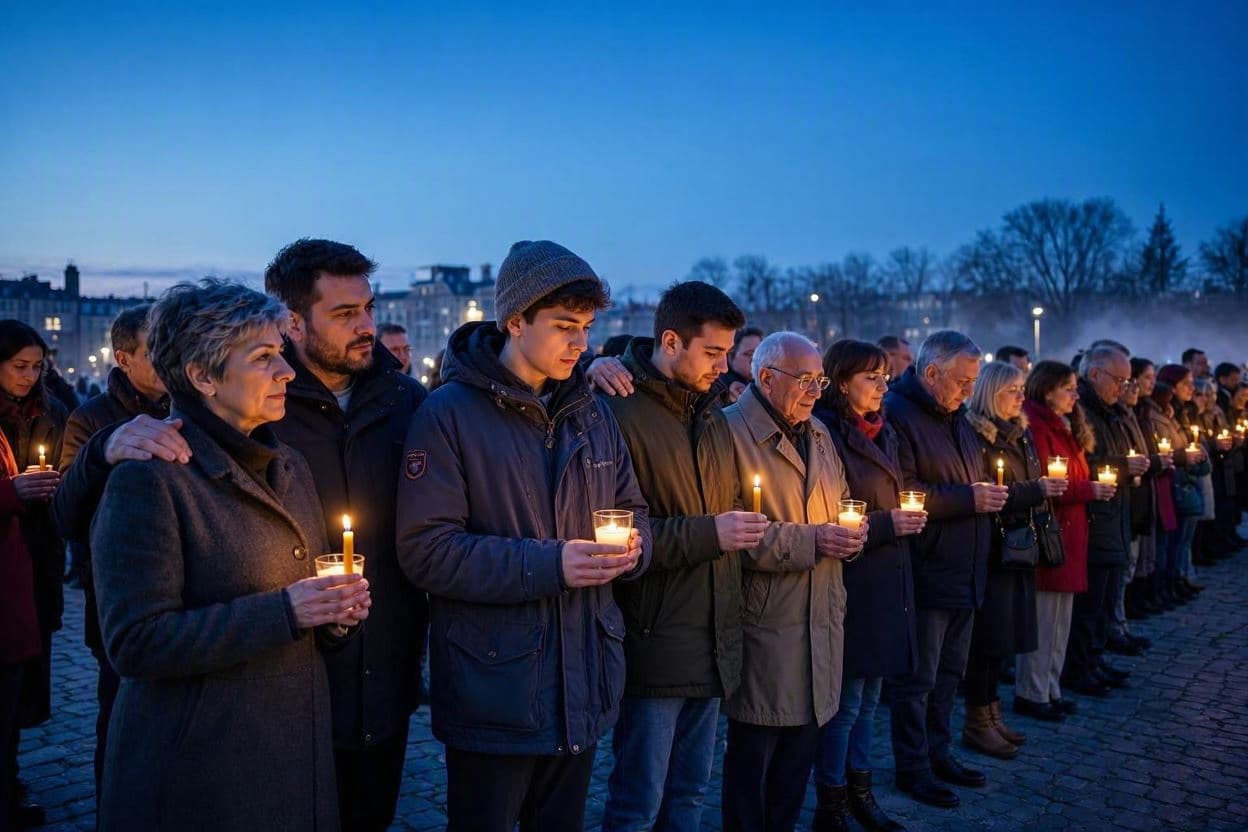
Community reactions have been intense. Protests have erupted in several cities, with citizens demanding safer streets and stronger laws. Activists and civil society organizations are calling for comprehensive strategies to address the root causes of violence. They emphasize the need for education, economic empowerment, and psychological support for both victims and perpetrators. It is a call for societal transformation, not just punitive measures.
The government has responded with statements condemning the violence and promising increased resources for police and social services. President Cyril Ramaphosa has expressed his condolences and urged unity in the fight against gender-based violence. However, many feel that words are not enough. There is a demand for tangible results, such as faster court proceedings, better victim support, and effective prevention programs. Trust must be rebuilt through action.
For women across the country, the news is a stark reminder of the dangers they face daily. Many feel afraid to walk alone, to use public transport, or to speak out. The fear is palpable, affecting mental health and quality of life. Support groups are offering counseling and safe spaces, helping women cope with the trauma. Solidarity is growing, as men and women alike join the call for change.
International observers have expressed concern, highlighting the global nature of violence against women. South Africa’s struggle is mirrored in many other nations, where patriarchal structures and impunity persist. Sharing best practices and learning from other contexts can help inform local solutions. It is a global challenge that requires local commitment and international support.
In the end, the deaths of these nine women are a tragedy that shakes the conscience of a nation. They remind us of the value of every life and the urgency of protecting the vulnerable. As the investigation continues, the hope is that justice will be served and that meaningful change will follow. The anger and fear must be transformed into action, creating a safer future for all women in South Africa.
AI Image Disclaimer: The visual aids included here are AI-generated illustrations depicting themes of mourning and community solidarity, not actual photographs of the crime scenes or the victims.
Sources: BBC News Al Jazeera News24
Published by Banx Network. This article is part of the Banx decentralized media programme, powered by the BXE token on the XRP Ledger.