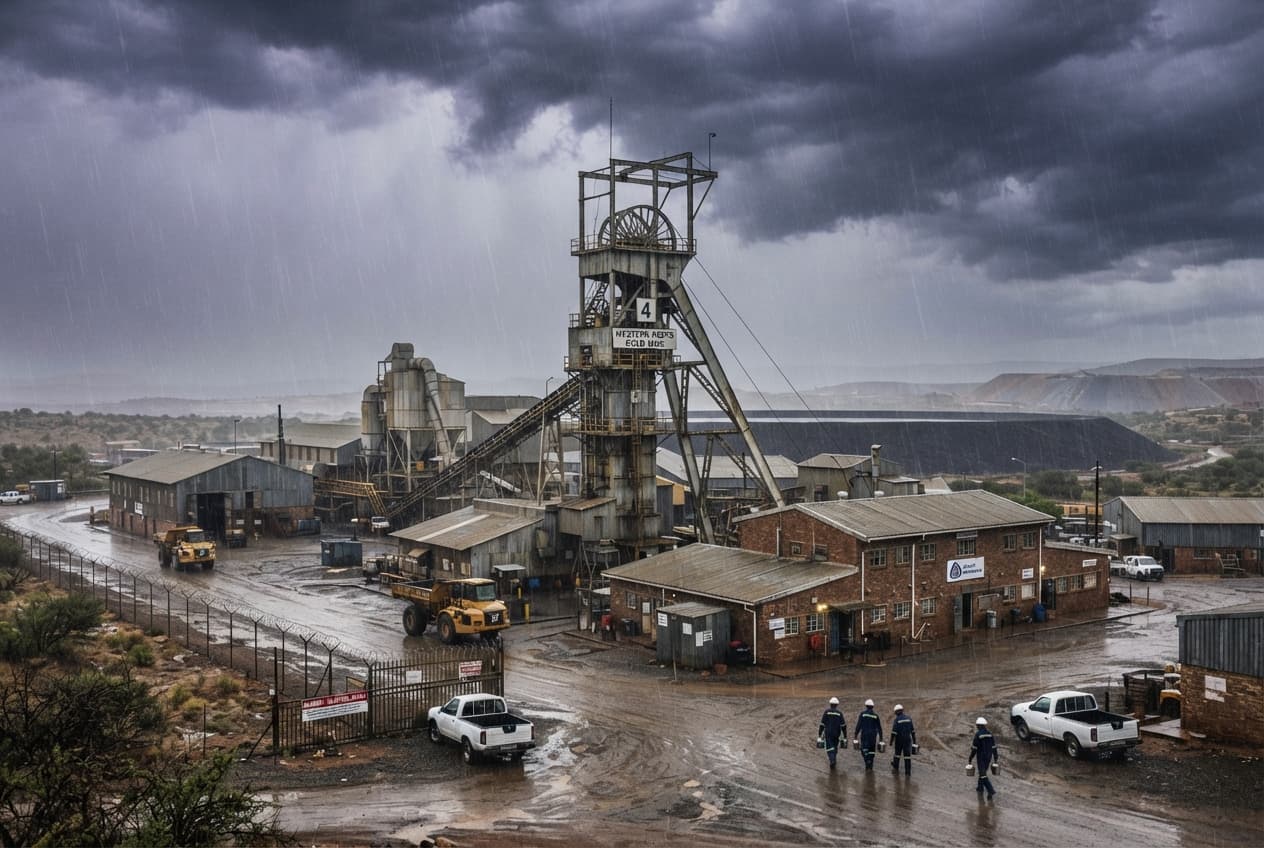
Johannesburg, South Africa—Water poured down the ventilation shafts in a relentless cascade as torrential thunderstorms battered the regional infrastructure. Deep underground, the main drainage pumps failed when lightning strikes knocked out the primary substation grid. Four miners working the lower stopes found their escape routes cut off by rising subterranean pools.
Rescue teams rushed to the headgear installation within minutes of the alarm, deploying high-capacity auxiliary submersible pumps into the flooded decline shaft. Engineers monitored water level sensors while medical crews prepared oxygen equipment on the surface landing deck.
Pumping operations took over six hours to lower the water level enough for rescue divers to descend into the lower levels. Divers located the four miners inside an air pocket extension, but all had succumbed to asphyxiation before rescue teams could reach them.
"The volume of water entering the shaft system overwhelmed our backup pumping capacity within a very short window," said a corporate mine safety representative during an operational update. "Our deepest condolences go out to the families affected by this tragic event."
Union representatives and government safety inspectors arrived at the gatehouse to launch an independent inquiry into the electrical failure and drainage maintenance logs. Grieving family members gathered outside the compound perimeter, demanding immediate transparency regarding underground safety protocols.
The mine hoist remains locked down while forensic investigators examine the damaged substation transformers.
Transport vans removed the remains from the property at dusk under heavy police escort.
Published by Banx Network. This article is part of the Banx decentralized media programme, powered by the BXE token on the XRP Ledger.