In the quiet twilight of a once-vibrant neighborhood, the streets of Kensington, Philadelphia now echo with a sorrowful hush — not the hush of calm, but a hollow stillness, broken only by the shuffle of souls burdened by a drug that steals more than time. The city’s pavements, once alive with everyday hopes and ordinary faces, have become a liminal space — where bodies linger between wakefulness and oblivion, and human presence slips toward something unrecognizable.
What has cast this long, dark shadow is a potent new threat: a street-drug mixture frequently called Xylazine (and sometimes “tranq dope”), often combined with opioids like Fentanyl. Once reserved for veterinary sedation, Xylazine now circulates illegally in Kensington — turning drug use into something far more sinister.
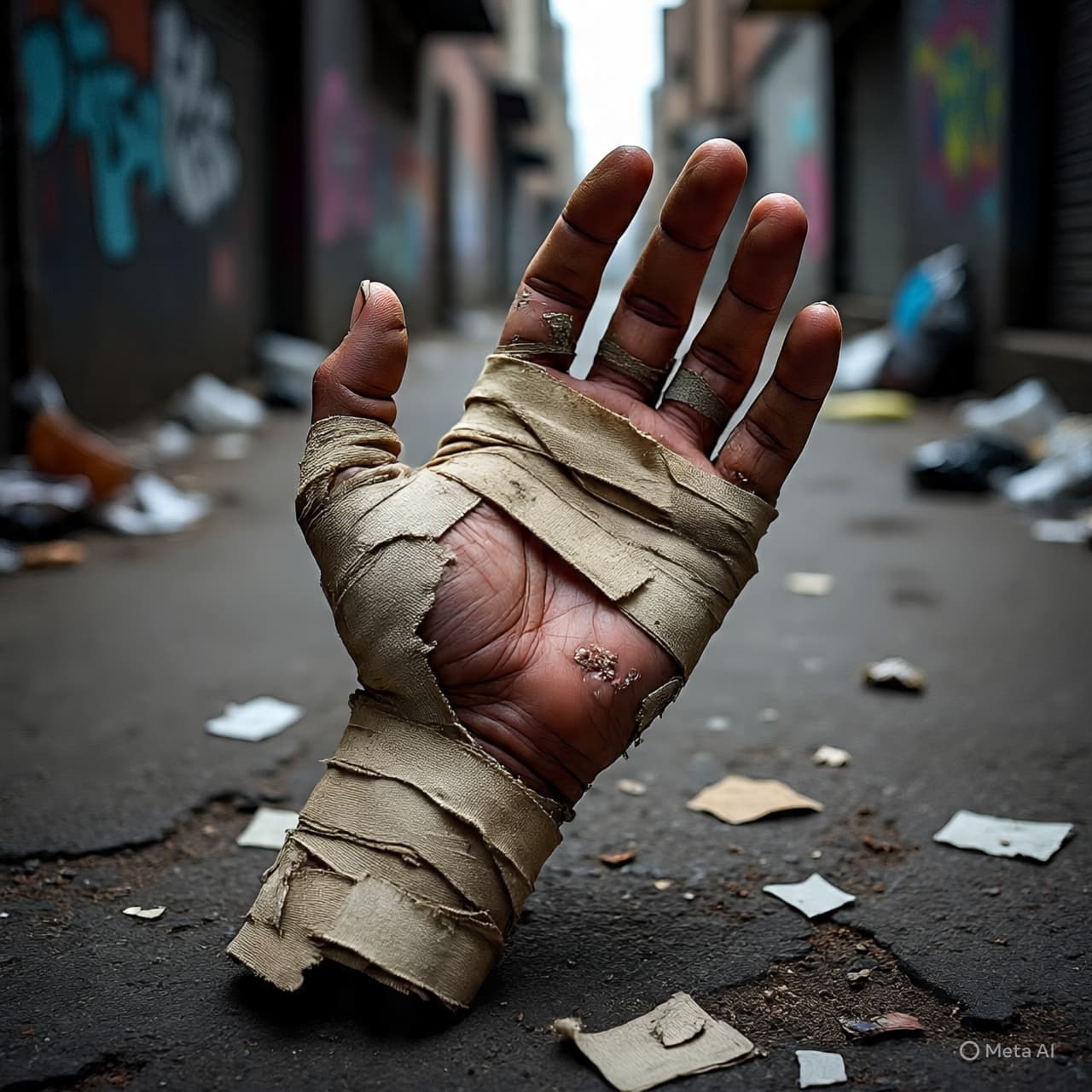
The effects are chilling. Users often slump into stupors so deep they can barely stand; in some cases, people are seen leaning against walls, slouching on sidewalks, or drifting slowly in and out of consciousness. Even worse — the drug has been linked to gruesome physical damage: severe skin-rotting, necrosis, open wounds that spread rapidly; flesh that decays, sometimes irreversibly. Medical professionals describe cases where wounds deepen until tissue dies, infections take hold, and amputation becomes the only option.
For many, the experience — the staggering sedation, the disfiguring wounds, the loss of control — has drawn comparisons to walking loss of humanity. Locals speak bluntly: streets where people used to live, laugh, and build lives now resemble a “zombieland.”
The scale of the problem is enormous. Reports indicate that a vast proportion of street-drug supplies in Philadelphia are now contaminated with xylazine: some estimates suggest over 90%. Overdose deaths — already grave under the opioid crisis — have surged, complicated by the fact that xylazine is not reversed by typical emergency treatments such as naloxone.
Yet perhaps the cruelest aspect of this crisis is how public it has become. What might have once been hidden now plays out on sidewalks and street corners. Witnesses describe scenes of individuals collapsed or wandering, arms or legs bandaged — some bloated, some bleeding. For some, addiction is no longer just a private struggle — it is a spectacle.
Behind the visible horror, there lies a deeper tragedy: a breakdown of compassion. As the drug spreads, so too does social desensitization. Where there should be community solidarity, there is fear. Where there should be help, there is avoidance. And where there should be hope — treatment, rehabilitation, healing — there remains stigma, neglect, and despair.
It’s a crisis that confronts more than the individuals who use the drug. It challenges the city, its communities, and even the broader American social fabric. How does a city respond when its sidewalks become morgues for hope? How does a society care for those who become, figuratively and almost literally, unrecognizable?
In a time when opioid-related harm was already straining systems, xylazine has widened the cracks. It demands not only medical and public-health urgency, but a reckoning: with policy, with compassion, with the structures that allowed such a drug to proliferate in human veins.
As night falls over Kensington, the city must choose: ignore the shadows, or step into them with care, healing, and responsibility.
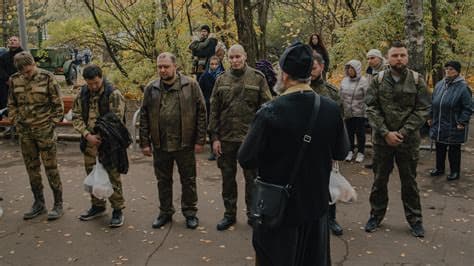
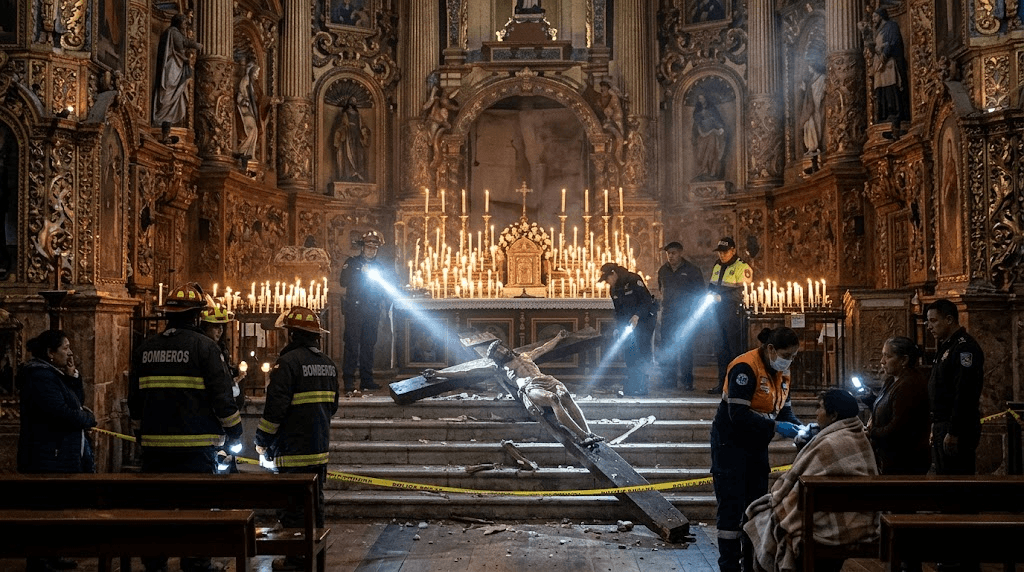
AI image disclaimer: Visuals are created with AI tools and are not real photographs — they serve as conceptual depictions only.
Sources used: The Dispatch / The Free Press; FOX News / Fox29; Sky News; Fortune Well; Pennsylvania Department of Health (public data on xylazine)
Published by Banx Network. This article is part of the Banx decentralized media programme, powered by the BXE token on the XRP Ledger.