There are wounds that do not close simply because time has passed, and there are debates that are not debates at all but reopenings of those wounds in the name of inquiry. At the University of Calgary, a mother and son who have spent their lives making art from the fabric of their family's survival decided they could no longer leave that art in a place that had allowed the question of genocide to be treated as a topic for campus discussion. Their decision was not loud. It was a quiet removal, seven pieces taken from a gallery wall, and in their place a letter and a bundle of sage.
The event that prompted their departure took place on September 29, the day before the National Day for Truth and Reconciliation. A group called Canadian Students for Free Speech set up a table on campus and invited students to debate whether residential schools constituted genocide. The speakers were Tom Flanagan, a professor emeritus, and Drea Humphrey, a Rebel News reporter . The timing was not accidental; Flanagan later said it was a good time to attract attention to the discussion . For the artists, seth cardinal dodginghorse and Glenna Cardinal, who work together as tīná gúyáńí, the timing was a statement in itself.
The artists learned of the event only after they had given an artist talk at the Nickle Galleries on October 1, where seven of their pieces were on display . The work is deeply personal: painted buffalo hide, a beaded moss bag, enlarged photographs of ancestors, some of whom attended residential or day schools . Glenna Cardinal has an aunt who went to residential school and never came home. "I felt pretty disrespected," she said. "I felt that we weren't included or made aware of situations, and people didn't realize that it would affect us as Indigenous people" .
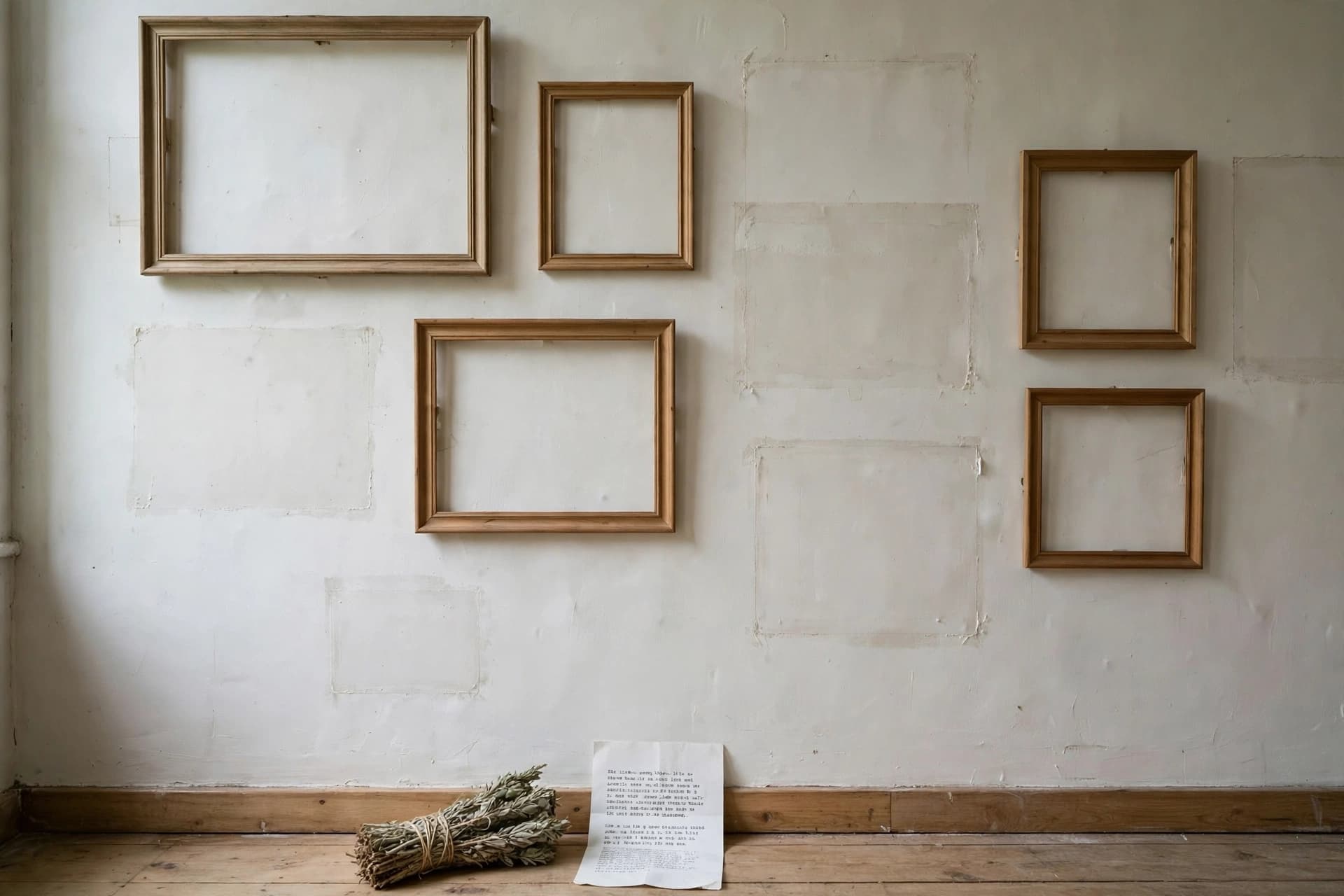
The removal was not an act of vandalism or disruption. The artists left sage for smudging and a printed letter explaining their decision. "I didn't feel safe. I didn't feel our work was safe at the university, and I felt like we had to go get it and bring it home," Glenna Cardinal said . Her son put it more simply: "It just needed to be done. It wasn't something that we really overthought" . The gallery's response was positive, and the artists have said they have no issue with the gallery itself, only with the institution as a whole .
The university's position, offered in a statement, was that it must uphold two principles that can be in tension: protecting freedom of expression and fostering a safe, inclusive environment. "As a university, we have a responsibility to permit lawful assembly and expression, including when the ideas being expressed are unwelcome, upsetting or objectionable to members of our community," the statement read . Flanagan has defended the event, saying the discussion was "calm and respectful" for the first ninety minutes before "the mob showed up," and he has filed a complaint against two students, one of whom threw water on him .
In 2022, the House of Commons passed a motion recognizing Canada's residential schools as genocide . That recognition exists in the formal record of the country. The artists' decision to remove their work was, in its own way, a response to what happens when that record is treated as an open question. "To have people debate that any type of genocide took place and occurred from these schools — it's being wilfully ignorant," cardinal dodginghorse said . The empty spaces on the gallery wall, filled with sage and a letter, will remain until the exhibition closes in December. They are not an absence. They are a statement.
Image Disclaimer: The visuals in this article are AI-generated and are not actual photographs of the artists, the gallery, or the events described.
Sources: CBC News, CTV News, The Record, LiveWire Calgary
Published by Banx Network. This article is part of the Banx decentralized media programme, powered by the BXE token on the XRP Ledger.