
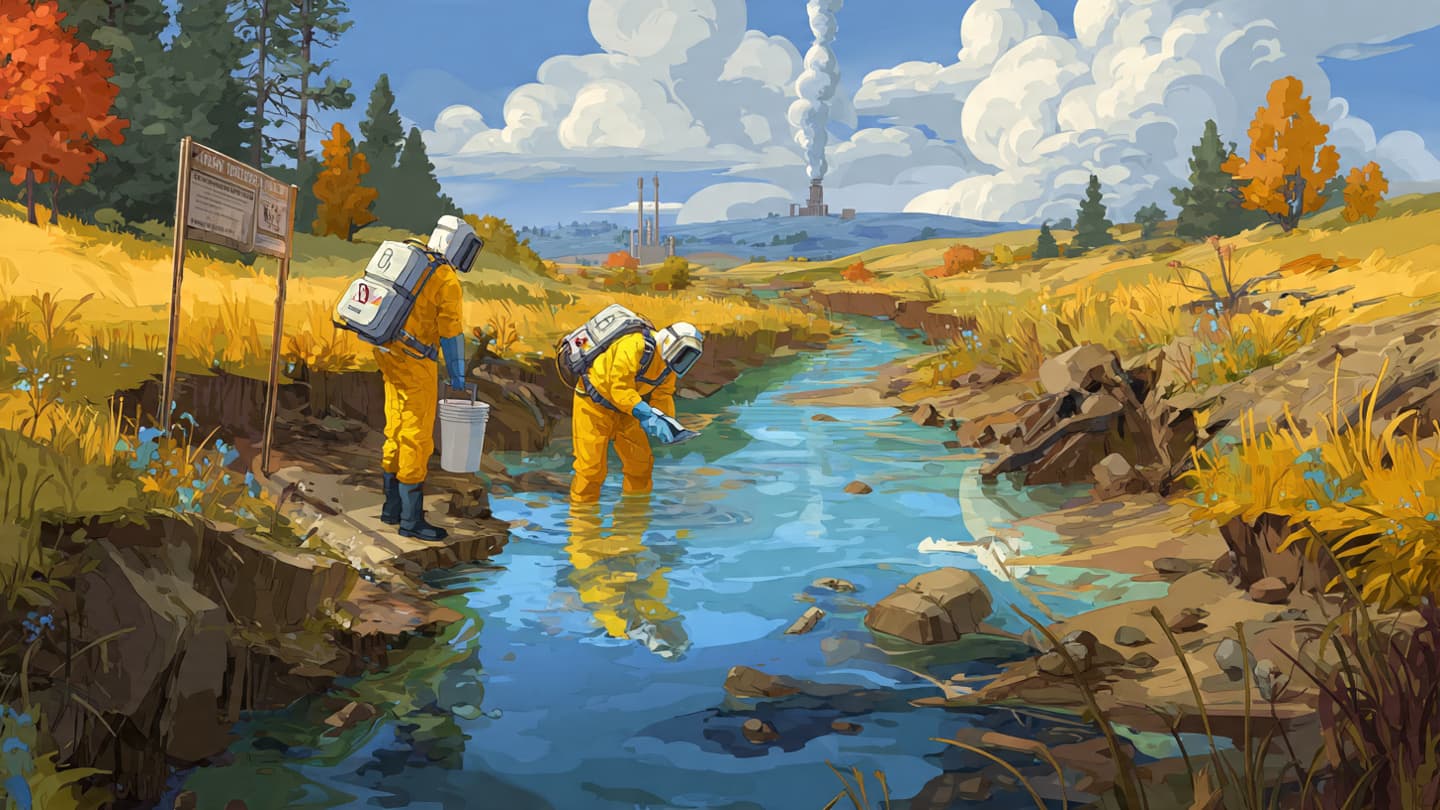
Certain environmental challenges move quietly through time. They do not arrive with the sudden force of a storm, yet their presence can linger for years beneath the surface of daily life. In Australia, a major legal action concerning PFAS contamination has brought renewed attention to a class of chemicals that scientists and regulators around the world continue to examine closely.
The Australian government has initiated legal proceedings against manufacturing giant 3M, seeking compensation related to contamination associated with PFAS compounds. These substances, often referred to as "forever chemicals," are known for their resistance to breakdown in the environment.
PFAS have historically been used in a variety of industrial and consumer products, including firefighting foams, non-stick coatings, and water-resistant materials. Their durability contributed to widespread use, but it has also raised concerns about long-term environmental persistence.
Environmental investigations in several countries have identified PFAS contamination in soil, groundwater, and waterways near industrial sites, military facilities, and airports. Governments have increasingly focused on monitoring and remediation efforts as scientific understanding has expanded.
Australian authorities argue that substantial public resources have been required to address contamination concerns and support environmental management programs. The lawsuit seeks to recover costs associated with those efforts.
3M has faced similar legal challenges in other jurisdictions, particularly in North America and Europe. The company has previously announced plans related to reducing or ending certain PFAS-related manufacturing activities, while continuing to address legal and regulatory matters.
Scientists continue researching the environmental and health implications of PFAS exposure. Although knowledge has grown considerably over the past decade, researchers emphasize that studies remain ongoing and that regulatory approaches continue to evolve.
The case is being closely watched by environmental organizations, legal experts, industry stakeholders, and policymakers. Its outcome could influence future discussions regarding corporate responsibility, environmental remediation, and chemical regulation.
As legal proceedings move forward, the broader conversation surrounding PFAS is likely to continue. The issue serves as a reminder that environmental stewardship often requires balancing industrial progress with long-term protection of natural resources and public wellbeing.
AI Image Disclaimer: The visual content associated with this article consists of AI-generated illustrations intended to support understanding of the topic.
Source Verification Check: Reuters, ABC Australia, The Australian Financial Review, Associated Press
Published by Banx Network. This article is part of the Banx decentralized media programme, powered by the BXE token on the XRP Ledger.


.jpg&w=3840&q=75 "US Declares Drought Disaster for Parts of Puerto Rico as Dry Conditions Persist")