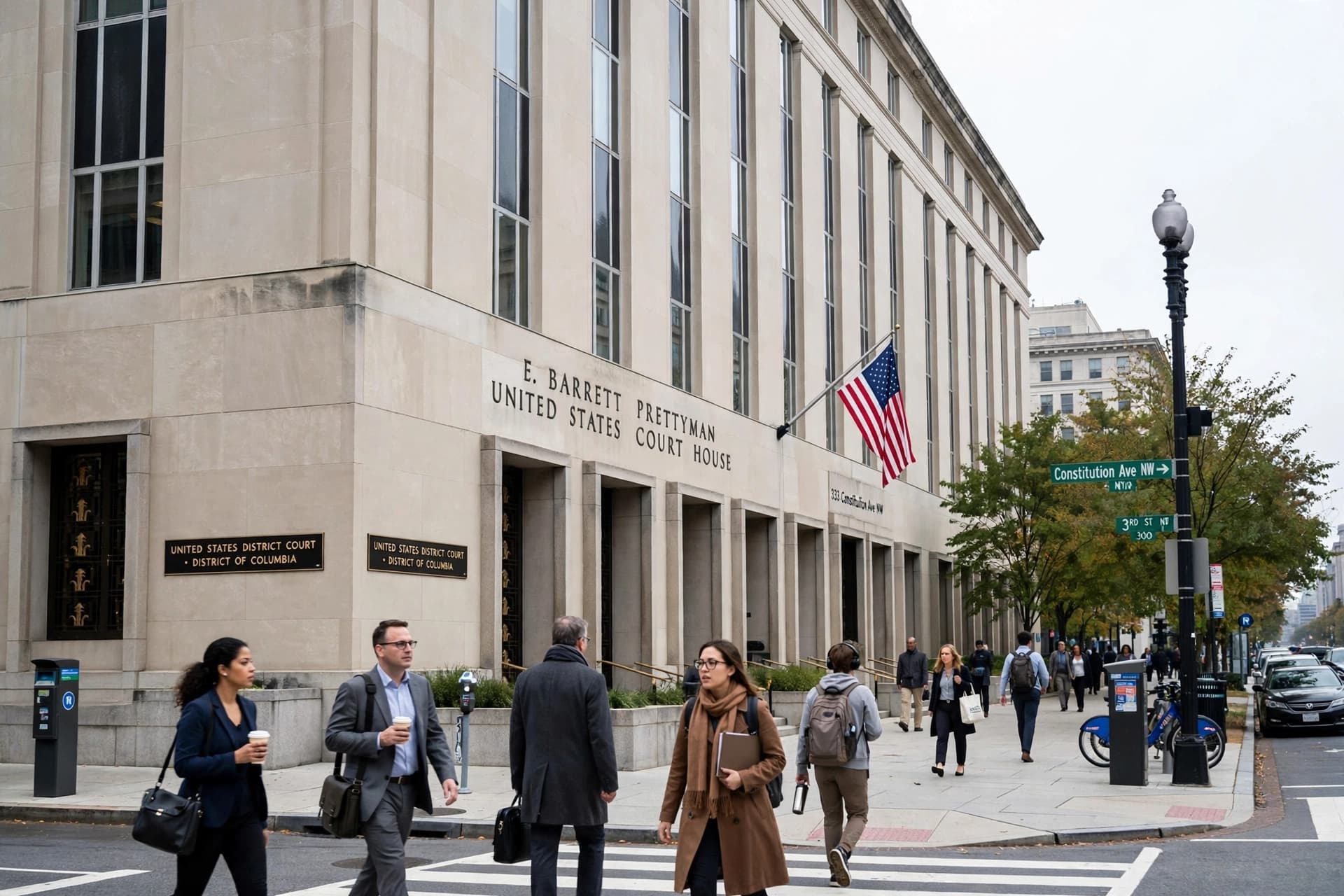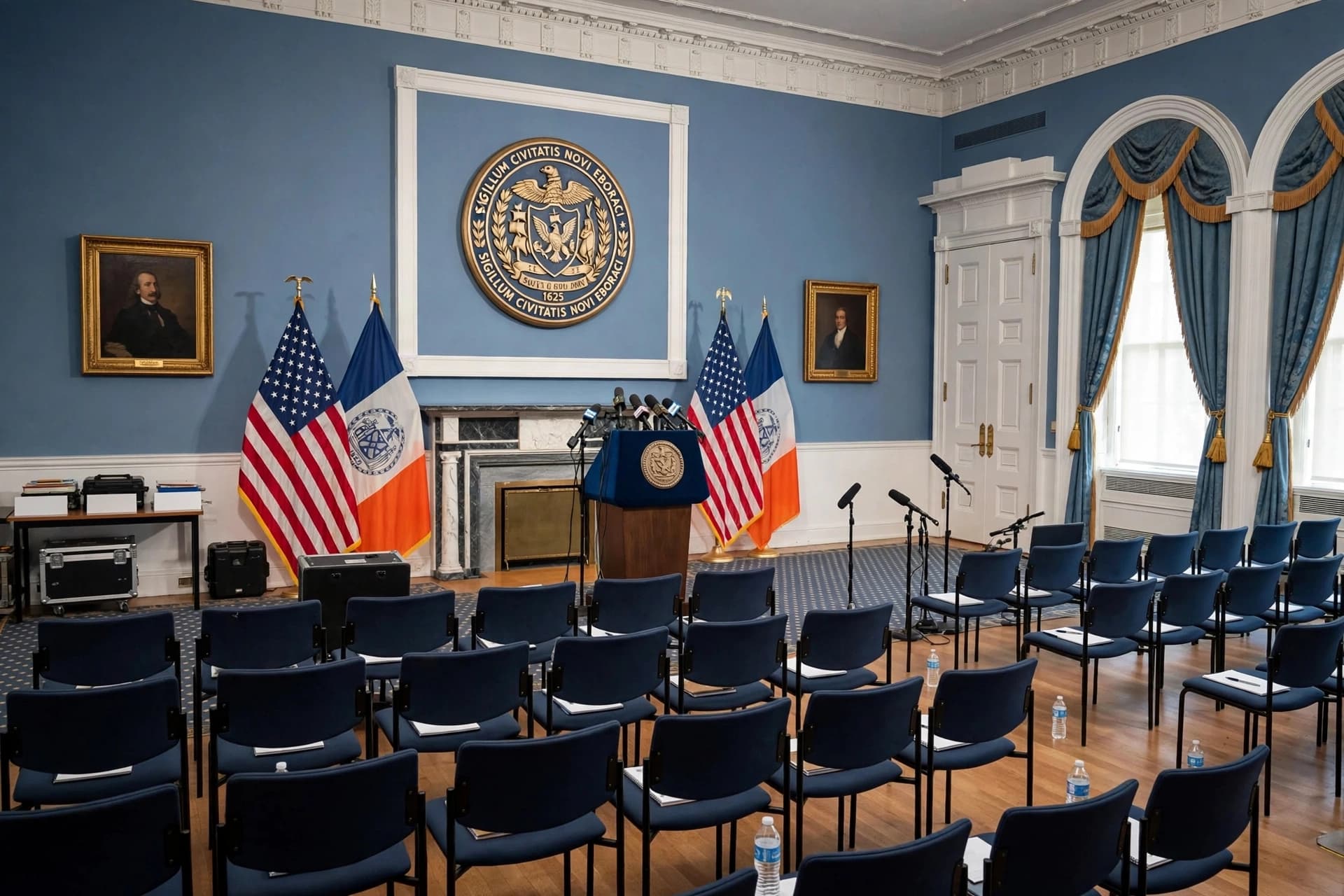
Between taxpayer money and political speech, there is a boundary, usually drawn by law, sometimes blurred. In recent weeks, an ad repeating on television screens, stamped "paid for by the U.S. government," has raised a simple yet heavy question: whose money is this, and whose voice is it serving?
On Tuesday, an official and a senior Republican senator confirmed to NBC News that the Trump administration used funds intended for U.S. Customs and Border Protection to pay for these television ads featuring the president. The Wall Street Journal first reported that the money came from the Department of Homeland Security, specifically from a CBP account.
The White House calls the ads "public service announcements," but one is nearly identical to a Trump 2024 campaign ad. In it, the president walks through a hallway as a voiceover warns of a "final battle" against "globalists and warmongers," before he looks directly into the camera and a message appears: "Paid for by the U.S. government." The ads aired in prime time, including during college football and NFL games.
Democratic appropriators responded quickly. Senators Patty Murray and Chris Murphy wrote to Homeland Security Secretary Markwayne Mullin, stating that using government funds to produce or air such political ads "is illegal and an appalling, corrupt misuse of taxpayer dollars." They demanded a response within 48 hours.
Criticism did not come only from Democrats. Senate Majority Leader John Thune told reporters: "The message is good. I like the message. But it shouldn't be paid for with taxpayer money." Senator Thom Tillis compared Trump's ads to tactics used by former Hungarian leader Viktor Orbán.
According to ad-tracking firm AdImpact, the three ads have cost more than $2.5 million in the past seven days, while the Department of Homeland Security has committed a total of $20 million. White House Office of Management and Budget Director Russ Vought transferred the funds from DHS to the ad campaign on September 19.
The White House defense of the ads remains consistent: they are about "reminding Americans to love their country and understand what makes this country worth defending at home, at the border, and abroad" — "educational, unapologetically patriotic." Yet when "paid for by the U.S. government" appears beneath a scene nearly indistinguishable from a campaign ad, the boundary that should be clear no longer seems so easy to discern.
Images in this report were generated by AI.
---
Sources: NBC News, AP News, Los Angeles Times, The Daily Beast, The Hill
Published by Banx Network. This article is part of the Banx decentralized media programme, powered by the BXE token on the XRP Ledger.