
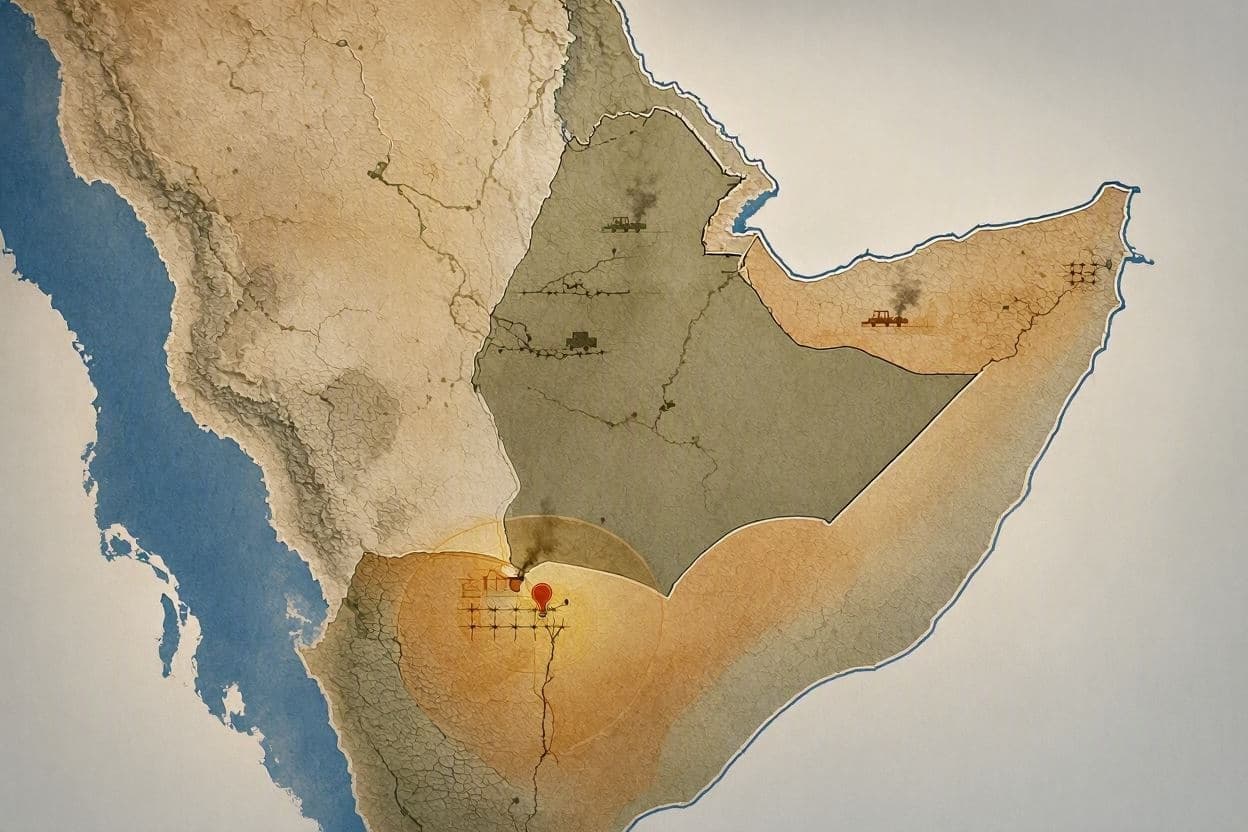
In the strategic heart of Somalia, the city of Baidoa has once again become a focal point of conflict. Heavy clashes erupted between federal troops and armed opposition groups, marking a significant escalation in the struggle for control over this vital regional hub. The fighting, which involved explosives and intense gunfire, has left dozens casualties and displaced many civilians, underscoring the fragility of peace in the region.
Baidoa, the capital of the Southwest State, is a critical logistical and political center. Its location makes it a gateway to other parts of the country, and control over the city often signifies broader influence in the south. The recent offensive by rebel forces, reportedly loyal to former regional leaders, aimed to challenge the authority of the federal government, leading to fierce resistance from the Somali National Army.
Residents describe a scene of chaos and fear, with streets emptied as families sought shelter. The sound of artillery and small arms fire dominated the day, disrupting daily life and commerce. Local hospitals reported treating numerous injuries, while witnesses spoke of seeing bodies in the streets. The human cost of this political struggle is immediate and profound, affecting those who have no part in the power dynamics.
Government officials have stated that federal forces successfully repelled the attack, restoring order to the city. However, the intensity of the fighting suggests that the opposition remains a potent force. The use of heavy weaponry indicates a level of organization and resourcefulness that poses a continued threat to stability. Analysts warn that such incidents could spark further unrest in neighboring areas.
The international community has expressed concern over the violence, calling for restraint and dialogue. Peacekeeping missions and diplomatic efforts have long sought to stabilize Somalia, but local grievances and political rivalries often undermine these initiatives. The clash in Baidoa serves as a reminder that military solutions alone are insufficient without addressing the root causes of conflict.
For the people of Baidoa, the immediate priority is safety and recovery. Aid organizations are mobilizing to provide medical assistance and support to those affected. The disruption to supply chains and markets also raises concerns about food security and economic stability in the region. The ripple effects of this violence will be felt long after the guns fall silent.
As the situation stabilizes, questions remain about the future of governance in the Southwest State. The federal government faces the challenge of reasserting control while engaging with local stakeholders to prevent future outbreaks. Trust, once broken, is difficult to rebuild, and the path to lasting peace requires patience and inclusive politics.
The events in Baidoa are a sobering chapter in Somalia’s ongoing journey toward stability. They highlight the resilience of its people in the face of recurring violence and the urgent need for sustainable political solutions. Until then, the city remains a barometer for the nation’s health, reflecting both its vulnerabilities and its enduring hope for peace.
AI Image Disclaimer: Images accompanying this report are AI-generated artistic interpretations of urban conflict zones and humanitarian aid scenes, intended to visualize the context of the clashes without depicting real individuals or graphic violence.
Sources: Al Jazeera, Reuters, US News, CGTN Africa
Published by Banx Network. This article is part of the Banx decentralized media programme, powered by the BXE token on the XRP Ledger.

.jpg&w=3840&q=75 "Same-Sex Couple Sue Slovakia Over Refusal to Register Their Marriage")