
Key Highlights
- Recent earthquake in Venezuela prompts Californians to prepare.
- Surge in demand for emergency supplies reported across the state.
- Preparedness is a cultural norm in California, driven by past experiences.
In the wake of a devastating earthquake in Venezuela, residents of California are experiencing a renewed sense of urgency regarding their own preparedness for seismic events. The tremors felt thousands of miles away have sparked a wave of vigilance, leading many Californians to stockpile emergency supplies. This reaction is not merely a response to fear; it reflects a deep-rooted awareness of the geological realities that characterize life along the Pacific Ring of Fire.
The recent disaster in Venezuela serves as a stark reminder that earthquakes can strike without warning, and the images of destruction resonate with Californians who have lived through their own seismic challenges. Retailers across the state have reported a significant increase in the demand for earthquake kits, water filters, and non-perishable food items. Shelves that once held supplies with casual confidence are now being emptied as residents seek peace of mind in the face of uncertainty.
This proactive response to potential disaster highlights the unique psychological landscape of living in a high-risk zone. Preparedness is woven into the cultural fabric of California, taught in schools and discussed at community meetings. However, it often takes an external catalyst, such as the tragedy in Venezuela, to transform intention into action. This event bridges the gap between abstract knowledge and concrete preparation, reminding individuals that empathy and self-preservation are often intertwined.
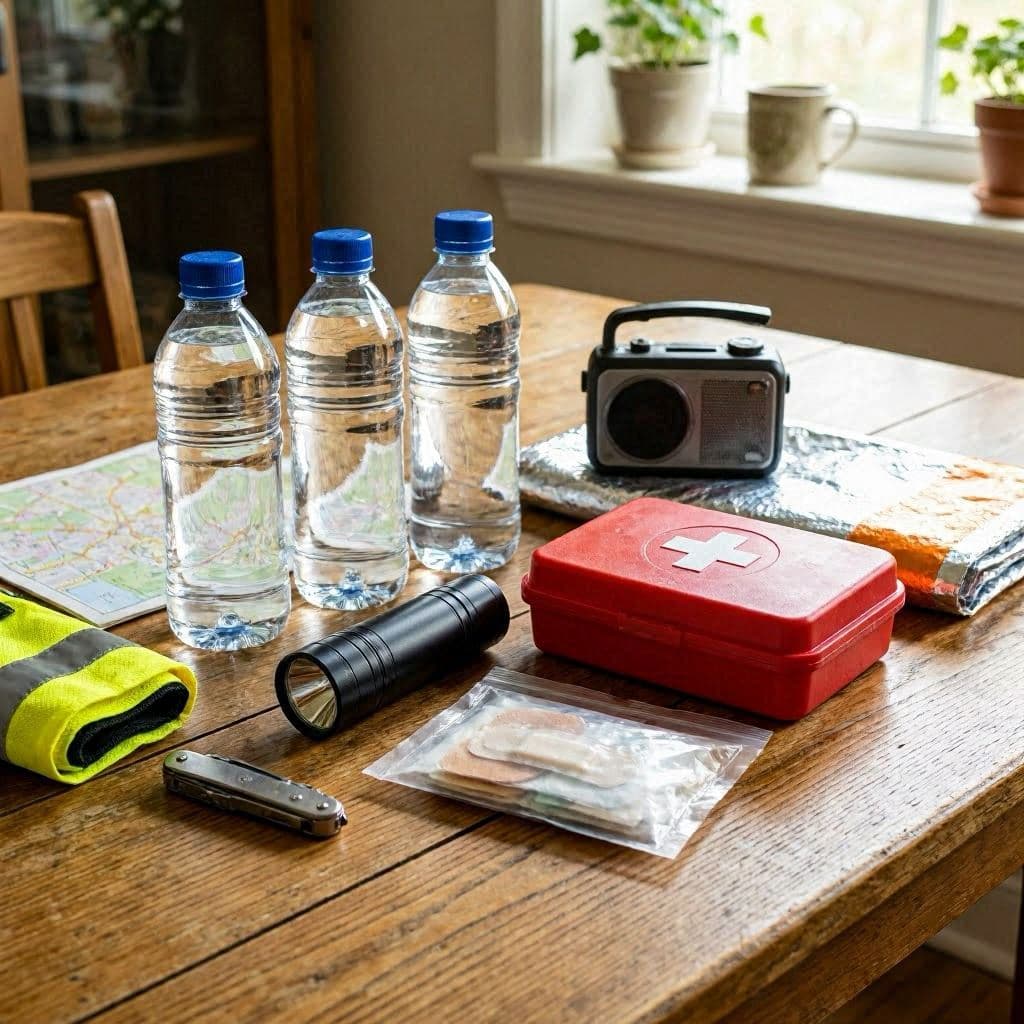
Experts in disaster preparedness welcome this surge in activity, emphasizing that having an emergency kit ready can significantly improve outcomes in the aftermath of a disaster. They stress that the goal is not to live in fear but to live with readiness. A well-stocked emergency bag containing essentials like water, first aid supplies, and important documents can mean the difference between chaos and calm in the critical hours following a quake. This practical step empowers individuals to care for themselves and their loved ones.
Moreover, the act of gathering supplies fosters a sense of community and connection. Preparedness is not solely an individual responsibility; it is a communal effort. When one household is ready, it alleviates pressure on emergency services, allowing resources to be directed to those most in need. This shared commitment strengthens the social fabric, creating a network of resilience that extends beyond material goods.
The timing of this rush to prepare also invites a broader conversation about global interconnectedness. In an era where news travels instantaneously, the suffering of others can serve as a mirror for our own vulnerabilities. The response in California is a testament to the human capacity to learn from the experiences of others, transforming distant sorrow into local action. It is a humble acknowledgment that we are all subject to the same natural laws.
As the initial wave of purchasing subsides, there is hope that the habit of preparedness will endure. The kits bought today may remain unused for years, but their presence acts as a silent guardian against uncertainty. Ultimately, the race to acquire supplies is less about the items themselves and more about the mindset they represent: a commitment to safety, resilience, and the enduring hope for stability in an unpredictable world.
AI Image Disclaimer: The visual representations included in this article are generated by artificial intelligence to illustrate thematic concepts and do not depict actual events or individuals.
Published by Banx Network. This article is part of the Banx decentralized media programme, powered by the BXE token on the XRP Ledger.



