Morning arrives as it always has, light spilling through windows, commuters tracing familiar routes, screens flickering awake before their owners fully do. Yet beneath these ordinary rhythms, something quieter has begun to shift — a sense that work itself is changing shape, loosening from patterns once thought permanent.
For years, warnings about artificial intelligence hollowing out the labor market hovered at the edges of public debate, dramatic and distant, more science fiction than forecast. Now, those predictions feel closer to the ground. Across industries, AI systems are no longer experimental tools but active participants, drafting reports, writing code, diagnosing images, answering customers, and managing workflows once handled by people whose names appeared on payrolls.
Companies frame these changes in careful language. Productivity gains. Efficiency. Augmentation rather than replacement. And yet layoffs linked to automation have begun to appear with increasing regularity, particularly in sectors built on routine cognitive tasks — customer service, content moderation, data analysis, junior programming, back-office operations. What once required teams can now be handled by a handful of systems overseen by fewer hands.
The shift is uneven, unfolding faster in some places than others. Large firms with access to capital and data move first, integrating AI at scale, while smaller organizations watch, adapt, or struggle to keep pace. Workers sense the transition not through headlines alone, but through quieter signals: job descriptions rewritten, hiring slowed, expectations subtly raised. Skills once seen as secure now feel provisional.
Governments and economists continue to debate the outcome. Some point to history, noting that technological revolutions have always displaced certain jobs while creating others. New roles will emerge, they argue, in oversight, design, ethics, and maintenance. But timing matters. The speed of AI adoption has compressed what once unfolded over generations into a handful of years, leaving limited space for retraining or adjustment.
Education systems strain to respond, curricula lagging behind tools that update weekly. Social safety nets, designed for temporary unemployment, face pressure from more structural disruption. The conversation has shifted from whether AI will change work to how many will feel the change first, and how deeply.
As dusk settles over office towers and factory floors alike, the future of work feels less like a distant horizon and more like a door already ajar. The apocalyptic language may still overreach, but the transformation is no longer hypothetical. AI’s impact on jobs is arriving not with spectacle, but with quiet persistence — reshaping the meaning of labor one task at a time.
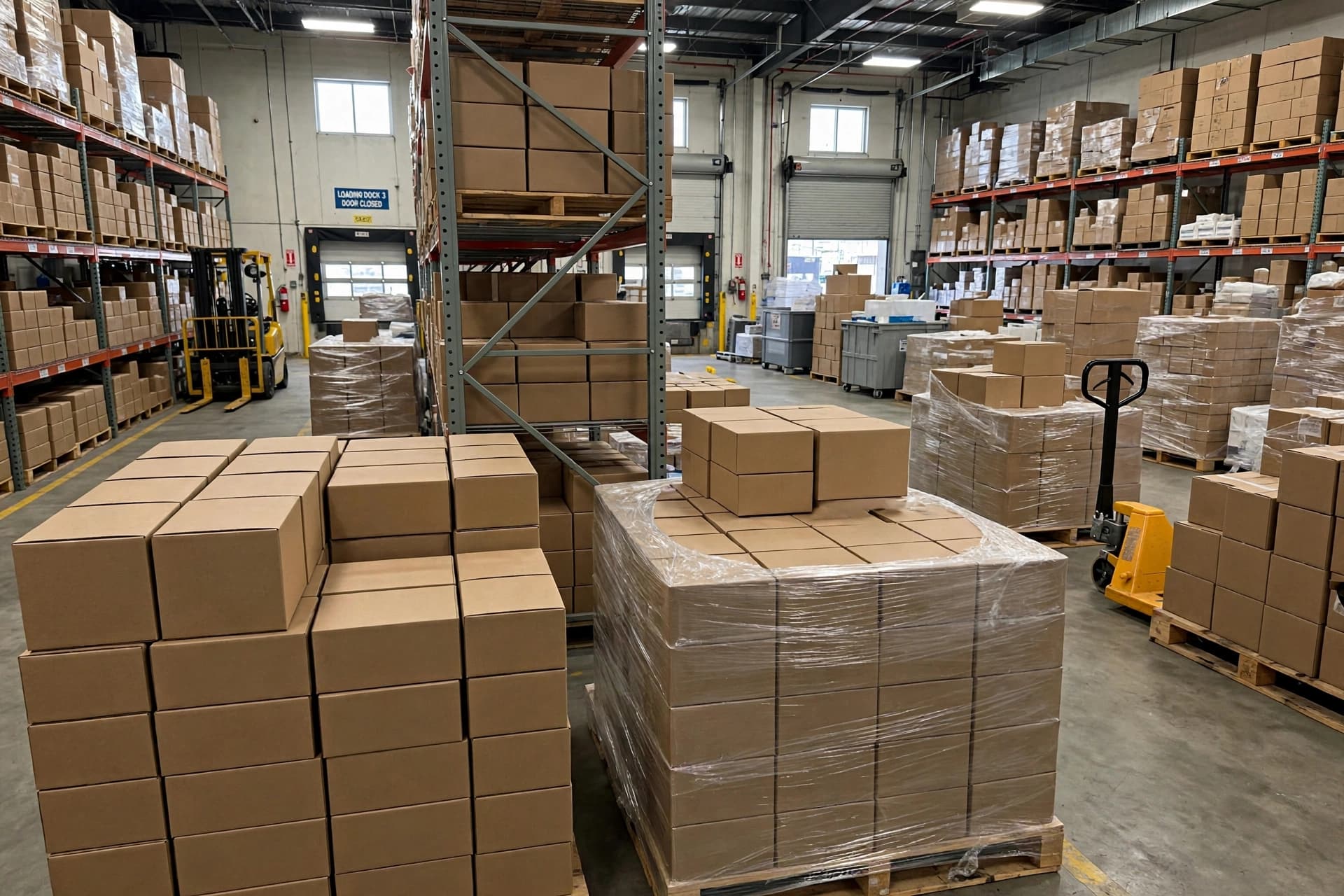
AI Image Disclaimer Illustrations were created using AI tools and are not real photographs.
Sources World Economic Forum International Labour Organization OECD Reuters MIT Technology Review
Published by Banx Network. This article is part of the Banx decentralized media programme, powered by the BXE token on the XRP Ledger.