
Key Highlights
- Collapse Date:The Lovers' Arch fell into the Adriatic Sea on February 14, 2023.
- Community Impact:Local officials express deep sorrow over the loss of the iconic landmark.
- Coastal Erosion:The event highlights ongoing issues with coastal erosion in southern Italy.
The picturesque Lovers' Arch, a beloved limestone formation located near Sant’Andrea in Puglia, Italy, met its tragic end on February 14, 2023, as heavy rains and strong winds battered the Adriatic coast. This natural disaster occurred on Valentine's Day, a date that held special significance for many who visited the arch, often seeking romantic moments against its stunning backdrop. The collapse has left the local community in mourning, as the arch was not only a geological wonder but also a symbol of love and connection for countless couples.
Mayor Maurizio Cisternino of Melendugno expressed the community's grief, stating, "This is an unwanted Valentine’s Day gift." His words encapsulate the irony and sorrow felt by many who cherished the arch as a place of beauty and intimacy. The Lovers' Arch had stood for centuries, shaped by the relentless forces of nature, and its sudden disappearance serves as a stark reminder of the fragility of such natural landmarks.
The arch was part of the Sant’Andrea sea stacks, a unique geological formation sculpted over time by the elements. Its collapse underscores a broader issue of coastal erosion affecting southern Italy, where severe weather patterns have increasingly threatened the integrity of the coastline. Officials have noted visible cracks in other areas, raising concerns about the potential for further collapses in the future. This event highlights the ongoing battle between nature and human admiration, as the sea continues to reshape the land.
For years, the Lovers' Arch attracted visitors from around the world, becoming a popular spot for wedding photos and romantic getaways. Local hotels and tour guides often directed couples to this iconic location, where it was believed that a kiss beneath the arch would ensure lasting love. The arch's fame grew through social media, where images of its beauty were widely shared, further solidifying its status as a must-see destination along Italy’s Salento coastline.
However, the recent storms that led to the arch's collapse were not isolated incidents. They are part of a troubling trend of extreme weather events that have increasingly impacted the region. Coastal infrastructure has suffered, with beach areas flattened and ports damaged, prompting evacuations in some cases. The Lovers' Arch's fall is a poignant reminder of the power of nature and the impermanence of even the most cherished landmarks.
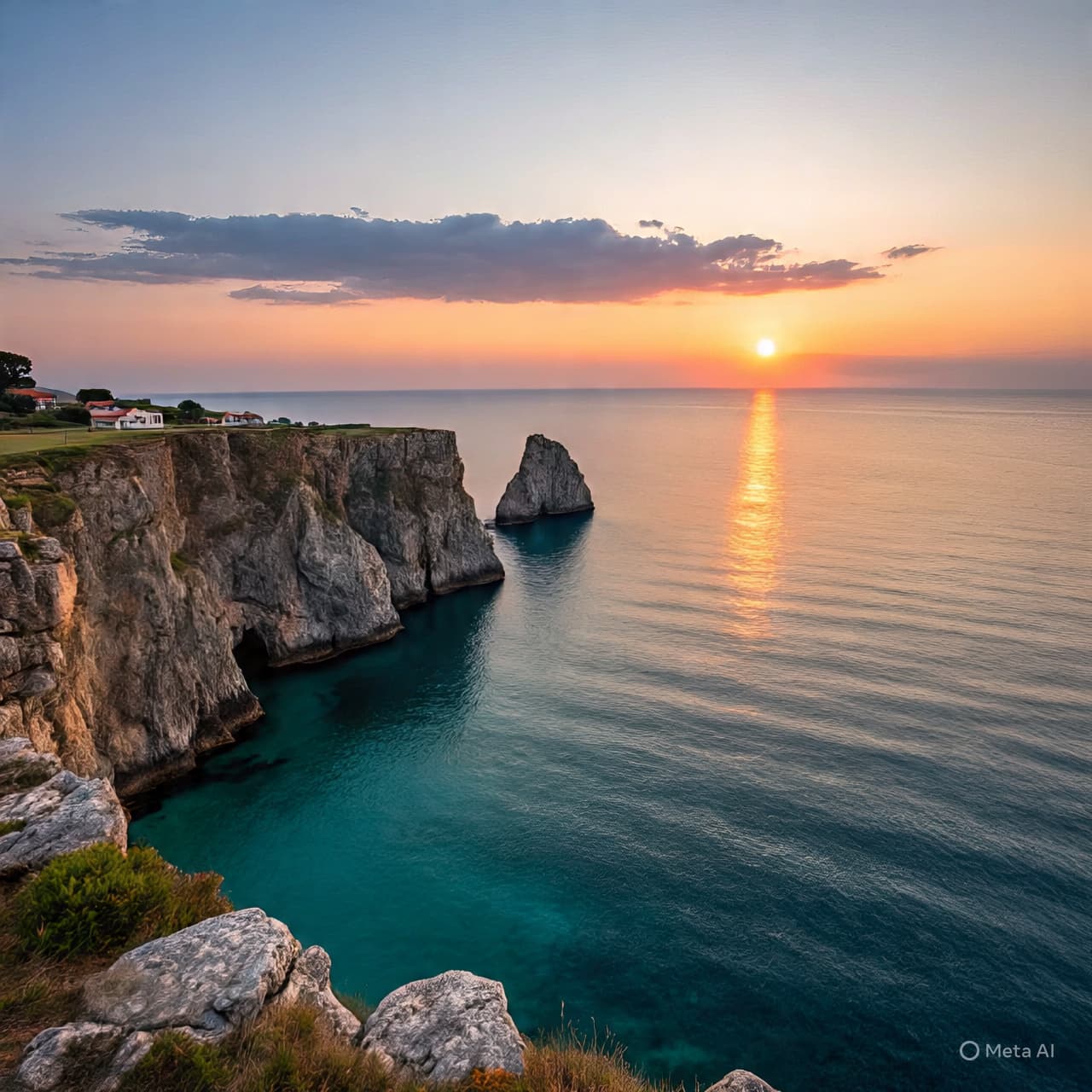
As the sun sets over the Adriatic, the remnants of the arch serve as a symbol of loss and reflection. The coastline, now altered, invites contemplation on the relationship between memory and change. While the arch may be gone, its legacy will endure in the hearts of those who visited and loved it, reminding us that beauty and impermanence often coexist in the natural world.
Published by Banx Network. This article is part of the Banx decentralized media programme, powered by the BXE token on the XRP Ledger.



