On a winter’s eve where the sky over Kyiv holds both smoke and snow, the idea of peace seems as fragile as frost on a windowpane. Leaders speak of ceasefires and referendums as if they were petals in a gust of wind — hopeful, delicate gestures in a landscape still marked by the echo of artillery. In hushed tones and guarded smiles, Ukraine’s president, Volodymyr Zelensky, stands at a crossroads where public will and geopolitical force intersect, suggesting that the Ukrainian people themselves might be the ultimate arbiters of an uneasy peace.
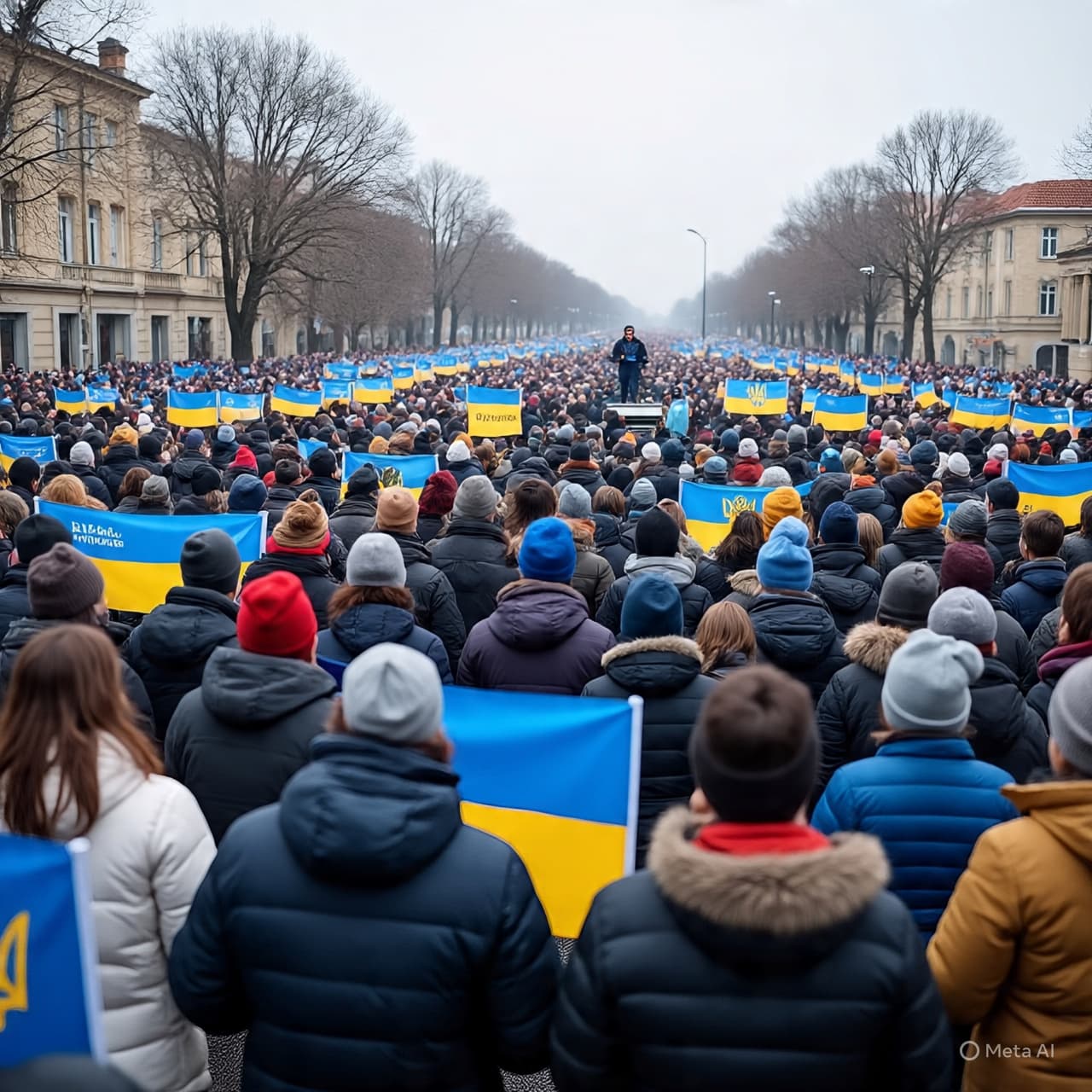
In the heart of this contemplation sits a proposal — not yet fully formed, but laden with significance. Zelensky has signaled his readiness to take a U.S.-crafted peace plan, supported by former U.S. President Donald Trump, to a national referendum, a public expression of consent or dissent that would place the question of war and peace directly into the hands of the people. This willingness marks a shift; where once leaders carried the burden of such decisions alone, now the voice of millions might be summoned to judge a complex path toward truce.
Yet this is not a simple gesture toward popularity or expedience. Zelensky has been clear that such a vote would only be meaningful under specific conditions: a ceasefire lasting at least 60 days, during which the guns fall silent and ballots can be cast in relative safety. Such a pause, he argues, is more than a procedural prerequisite — it is the foundation for a referendum that rises above fear, coercion, and chaos. Without it, the sacred act of voting risks becoming a hollow echo in a land still trembling under bombardment.
For Ukraine, the contention lies deepest around territorial questions — especially the future of regions in the east that have been under dispute since the outset of war. These are not abstract lines on a map but homes, memories, and wounds still raw. Zelensky’s position suggests that if negotiators cannot achieve firm, favorable terms for Ukraine on these matters, then the question ought to be decided not by closed rooms of diplomats but by the citizens whose lives will be shaped by the outcome.
In Washington and beyond, reactions ripple outward like stones dropped in a still lake. Some see the willingness to hold a referendum as a bold embrace of democratic principle — a state inviting its people to be part of the hardest choices of peace. Others view it as a strategic move, a way to share responsibility for concessions that carry heavy weight. But regardless of interpretation, the idea of asking the public resonates with an enduring belief that legitimacy, in any peace, must be rooted not in decrees but in the consent of those most affected.
As Zelensky prepares to meet with Donald Trump this Sunday to advance the framework and iron out final terms, the soft glow of possibility lingers beside the hard realities still on the ground. A referendum, if it comes to pass, would be more than a political tool — it would be a testament to Ukraine’s resilience and a reflection of the country’s unwavering desire to shape its own destiny.
In this fragile moment between diplomacy and destiny, between plans crafted in distant capitals and the lived experiences of ordinary citizens, Ukraine’s story continues to unfold — one where peace remains a horizon slowly drawing nearer, but still distant.
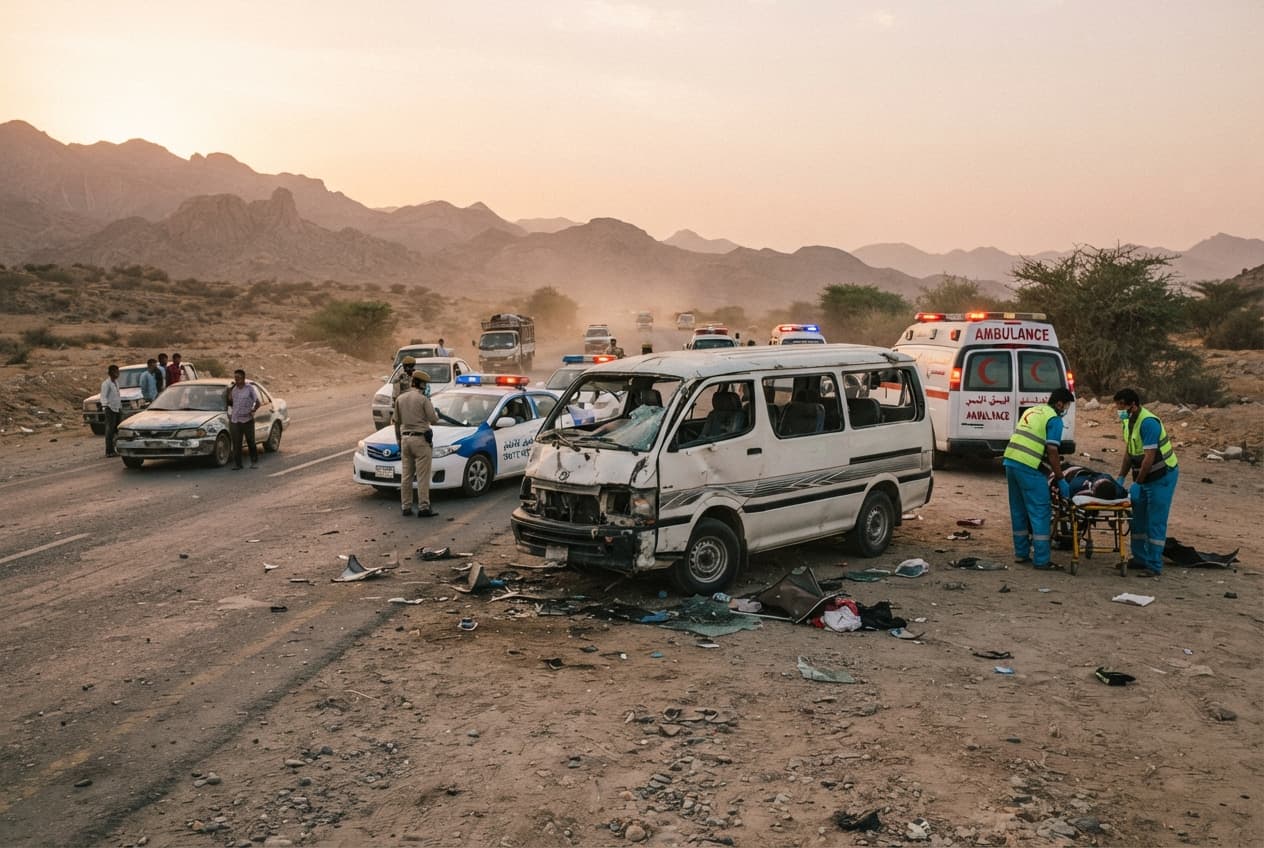
AI Image Disclaimer “Visuals are created with AI tools and are not real photographs.”
Sources identified (mainstream/niche credible): Axios The Jerusalem Post Newsweek Washington Examiner The Independent
Published by Banx Network. This article is part of the Banx decentralized media programme, powered by the BXE token on the XRP Ledger.