
Key Highlights
- Moscow is experiencing significant snowfall, affecting daily life and military operations.
- Russia's defense budget is tightening due to economic pressures and sanctions.
- The military is adapting to new fiscal realities, impacting readiness and modernization efforts.
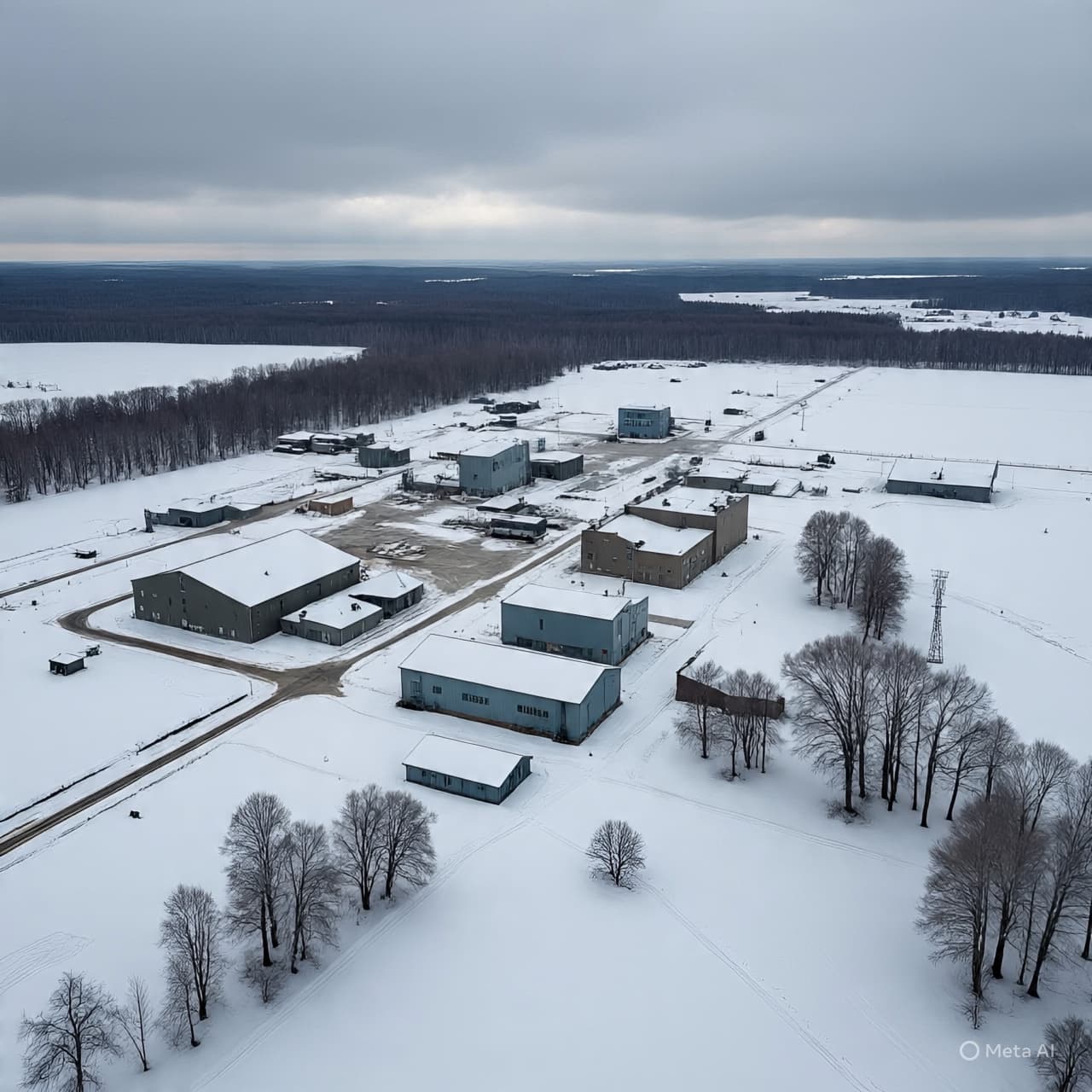
Moscow is currently blanketed in a thick layer of snow, with drifts curling around streetlights and the banks of the Moskva River. This winter weather not only affects the daily lives of residents but also has significant implications for the Russian military and its defense budget. As the government grapples with fiscal constraints, the military's operations and modernization plans are being reevaluated.
For years, defense spending in Russia has been a clear indicator of the country's ambitions on the global stage. The military's modernization efforts, which included acquiring advanced equipment and enhancing personnel readiness, were heavily funded. However, recent sanctions and a contracting economy have forced the government to tighten its purse strings, leading to a slowdown in planned acquisitions and a reassessment of ongoing projects.
The implications of these budgetary constraints extend beyond mere numbers. Military personnel and strategists are now faced with the challenge of adapting to a new reality where resources are limited. Training schedules are being adjusted, maintenance cycles are stretched, and deployment strategies are being reconsidered. Factories that once buzzed with activity are now experiencing delays, as the defense sector recalibrates to meet the new fiscal landscape.
Despite these challenges, the Russian military continues to operate, albeit with a renewed focus on efficiency. Command structures remain intact, and operations are ongoing, but there is a noticeable shift towards prioritizing essential capabilities over ambitious projects. Experts suggest that this period of constraint may inadvertently foster innovation in resource management, pushing the military to find ways to achieve more with less.
The broader economic impact of these changes is also significant. Contractors in the defense sector are adjusting their production timelines, while workers face uncertainty regarding their workloads. Communities that rely on defense contracts are beginning to feel the effects of reduced investment, leading to a ripple effect throughout the economy.
As Russia navigates these adjustments, its strategic posture remains outward-looking but increasingly calculated. Decisions are now framed by necessity as much as by ambition, highlighting the reality that even powerful institutions are influenced by financial constraints. In the quiet corridors of government offices and the snowy streets of Moscow, the nation is striving to balance its aspirations with the stark arithmetic of its current situation, charting a path between ambition and fiscal responsibility.
Published by Banx Network. This article is part of the Banx decentralized media programme, powered by the BXE token on the XRP Ledger.



