
Key Highlights
- At least 18 fatalities reported in unrest across western Mexico.
- Airports and banks disrupted, affecting local economies.
- Communities face challenges in recovery and rebuilding.
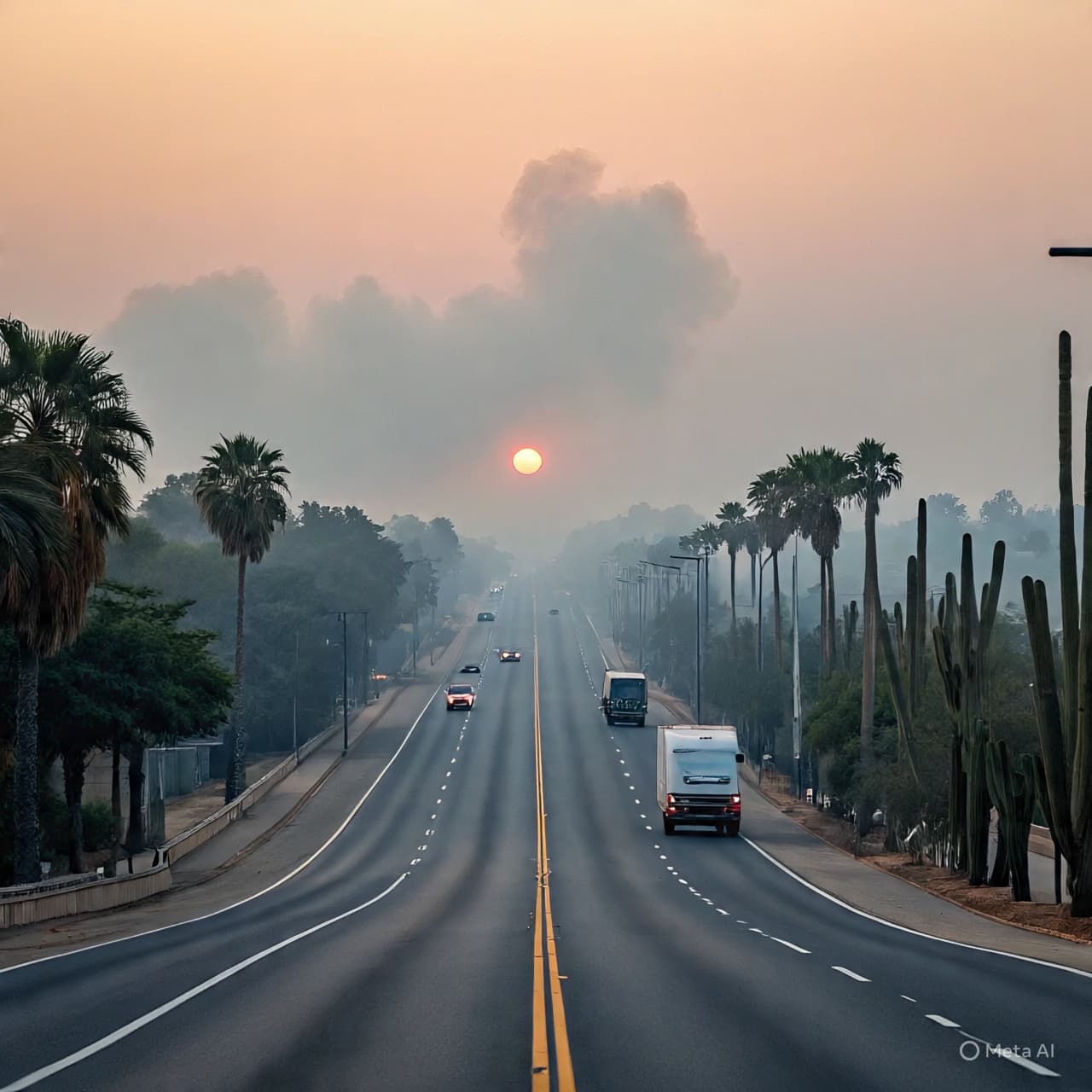
The dawn in western Mexico emerged shrouded in smoke, a stark reminder of the violence that unfolded overnight. In the states of Jalisco, Michoacán, and Guanajuato, the aftermath of unrest left a heavy toll, with at least 18 lives lost, including members of the National Guard. This tragic count underscores the rapid spread of instability, as communities grapple with the sudden absence of loved ones.
In Guadalajara, the city’s airport, typically bustling with travelers, became a symbol of disruption. Operations were halted, leaving aircraft grounded and terminals eerily quiet. The airport, a hub of connection and movement, now stood as a testament to the chaos that had unfolded, altering the rhythm of daily life for countless individuals.
Further along the Pacific coast, the port of Manzanillo, which handles up to 45 percent of Mexico’s maritime traffic, also faced significant interruptions. The suspension of operations here not only impacted logistics but served as a stark reminder of how intertwined economic stability is with national security. The flow of goods, essential for both local and global markets, was abruptly halted, raising concerns about the broader implications for trade.
The unrest extended its reach to financial institutions, with more than 20 branches of Banco del Bienestar set ablaze. These banks, typically seen as safe havens for community transactions, now bore the scars of violence. Their destruction highlights the fragility of everyday life in the face of turmoil, as communities are forced to confront the loss of essential services.
As the dust settles, daily life in the affected regions has been irrevocably altered. Roads that once bustled with traffic now see fewer vehicles, and public spaces feel more subdued. Authorities are working diligently to assess the situation, but the path to recovery appears daunting. Communities are left to reckon with the immediate aftermath of violence and the long-term implications for their safety and stability.
Mexico has a history of navigating through periods of unrest, yet each incident carries its own unique challenges and human costs. The events in Jalisco, Michoacán, and Guanajuato add another chapter to this ongoing narrative, one that speaks to both the resilience and vulnerability of its people. As operations begin to resume and the extent of the damage is evaluated, the pressing question remains: how will these communities rebuild and reclaim their sense of normalcy after a night when smoke and silence replaced the usual sounds of life?
Published by Banx Network. This article is part of the Banx decentralized media programme, powered by the BXE token on the XRP Ledger.



