
Key Highlights
- Escalation:U.S. and Israeli airstrikes target fuel depots in Tehran.
- Disruption:Fuel distribution in the capital interrupted due to damage.
- Health Concerns:Authorities urge residents to stay indoors amid toxic smoke.
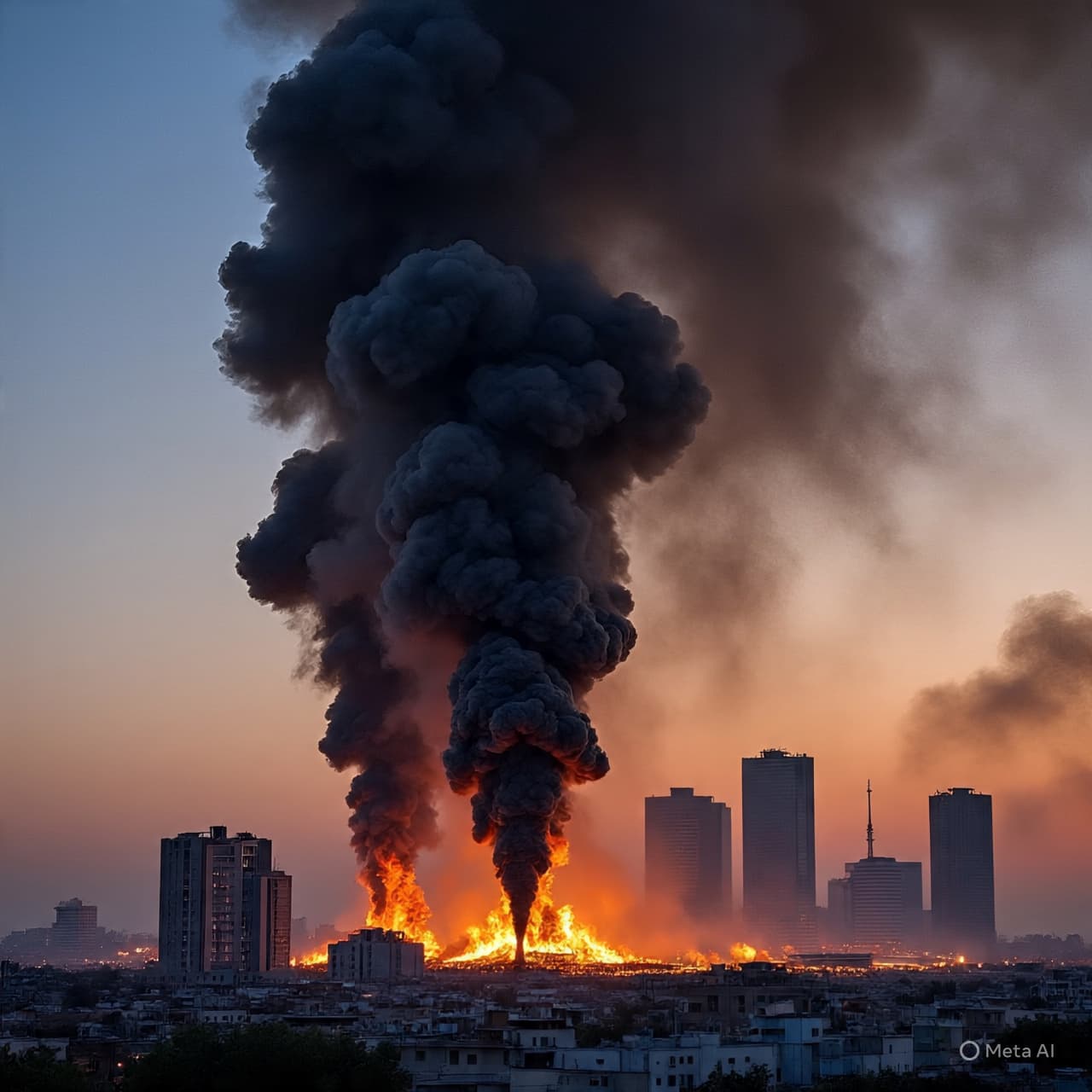
The skyline over Tehran burned with towering plumes of black smoke this week as fires erupted at multiple fuel storage depots and oil facilities, marking a significant escalation in the ongoing U.S.–Israeli military campaign against Iran. The airstrikes, which occurred on March 8, 2026, targeted key oil storage sites in and around the Iranian capital, including depots in Tehran and the nearby province of Alborz. Explosions from these strikes triggered massive fires that sent thick columns of smoke rising into the sky, visible throughout the city and beyond.
Iranian authorities acknowledged damage to the country’s fuel supply network, which has forced temporary disruptions to fuel distribution in Tehran. The governor of Tehran announced that fuel delivery to petrol stations was interrupted following the strikes, and authorities also reduced personal fuel purchase quotas for residents in the capital. This disruption has raised concerns among residents, who are now facing limited access to fuel amid the ongoing conflict.
The attacks have had both tactical and symbolic impact—the first time in this conflict that energy infrastructure inside Iran’s heartland has been targeted. Iran’s oil facilities had not previously been struck so directly. In response to the blazes and their effects on fuel supplies, officials have urged residents to ration consumption and stay indoors amid concerns about air quality and environmental hazards from toxic smoke. The Iranian government has also mobilized emergency services to contain the fires and assess the damage.
The escalation has broader human and economic consequences. Reports described several deaths linked to the strikes, including tanker drivers working at the storage sites, and documented fires that required urgent containment efforts. At the same time, Tehran’s strategic fuel reserves were described as sufficient in official statements, even as distribution challenges persist. The Iranian government is under pressure to manage the fallout from these attacks while maintaining public order and safety.
The strikes reflect a dramatic intensification of military tactics by the United States and Israel as they seek to weaken Iran’s war-fighting capabilities. They occur against the backdrop of widespread regional combat, with Iran retaliating through missile and drone attacks on U.S. and allied targets across the Gulf. This cycle of violence raises concerns about further escalation and the potential for broader conflict in the region.
As the situation develops, the international community watches closely, with implications for global oil markets and regional stability. The ongoing conflict has already led to heightened tensions and uncertainty, prompting calls for diplomatic solutions to prevent further violence and humanitarian crises.
Published by Banx Network. This article is part of the Banx decentralized media programme, powered by the BXE token on the XRP Ledger.



