The morning mist along California’s central coast usually carries the scent of salt and pine, but on this particular Friday, the air was thick with a different kind of heaviness. In Moss Landing, a community that has long stood at the intersection of natural beauty and industrial innovation, the sky turned an ominous shade of gray. The fire at the Vistra power plant was not merely a structural incident; it was a stark reminder of the complex challenges inherent in our transition to renewable energy. As residents were asked to stay indoors, the silence of the streets contrasted sharply with the urgency of the emergency response, creating a moment of collective reflection on the costs of progress.
The incident began early in the morning, when firefighters responded to reports of a structure fire at the Moss Landing Power Plant. This facility, known for its massive battery storage system designed to hold solar energy for later use, quickly became the center of a significant emergency. The Monterey County Sheriff’s Office acted swiftly, issuing a shelter-in-place order for all residents within a third-mile radius. The decision was not made lightly, as the burning lithium-ion batteries released thick black smoke that drifted over the nearby homes and the historic Elkhorn Slough.
For the families living in the shadow of the plant, the day unfolded in a state of suspended animation. Windows were closed, and air purifiers were turned to their highest settings. The visual of the smoke plume rising against the coastal backdrop was a powerful image, one that sparked immediate conversations about safety and infrastructure. While the technology behind these batteries is celebrated for its role in reducing carbon emissions, this event highlighted the vulnerabilities that still exist within large-scale energy storage systems.
Officials reported that approximately 1,500 batteries were involved in the blaze, many of which were difficult to access due to the intensity of the heat. The nature of lithium-ion fires requires specialized handling, as they can reignite if not fully extinguished. Firefighters worked tirelessly, coordinating with environmental experts to manage the runoff and ensure that no hazardous materials entered the surrounding ecosystem. The proximity to the slough, a vital wetland habitat, added another layer of concern to the already tense situation.
The community’s response was characterized by a quiet resilience. Neighbors checked on one another through digital channels, sharing updates and offering support. There was no panic, only a shared sense of caution. The shelter-in-place order, while disruptive, was largely adhered to, demonstrating the trust residents have in local authorities. Yet, beneath the compliance lay a growing question about the long-term implications of hosting such large industrial facilities in residential areas.
As the day progressed, the smoke began to dissipate, but the smell of burnt electronics lingered. The incident served as a tangible example of the growing pains associated with the green energy revolution. While the goal of a sustainable future is universally supported, the practical realities of implementing these technologies require constant vigilance and adaptation. The Moss Landing facility had faced issues before, making this latest fire a poignant chapter in an ongoing narrative of trial and error.
Experts note that while such incidents are rare, they are not unprecedented. The industry continues to evolve, with new safety protocols being developed in real-time. For the residents of Moss Landing, however, the abstract concepts of energy policy became very personal. The fire was not just a news headline; it was a disruption of daily life, a test of community spirit, and a prompt for deeper dialogue about how we balance environmental goals with local safety.
As the shelter-in-place order was eventually lifted, the community breathed a collective sigh of relief. The immediate danger had passed, but the conversation about energy storage safety remains open. The incident at Moss Landing underscores the importance of rigorous oversight and continuous improvement in renewable energy infrastructure. It is a reminder that the path to a sustainable future is paved with both innovation and caution, requiring us to learn from each challenge we face.
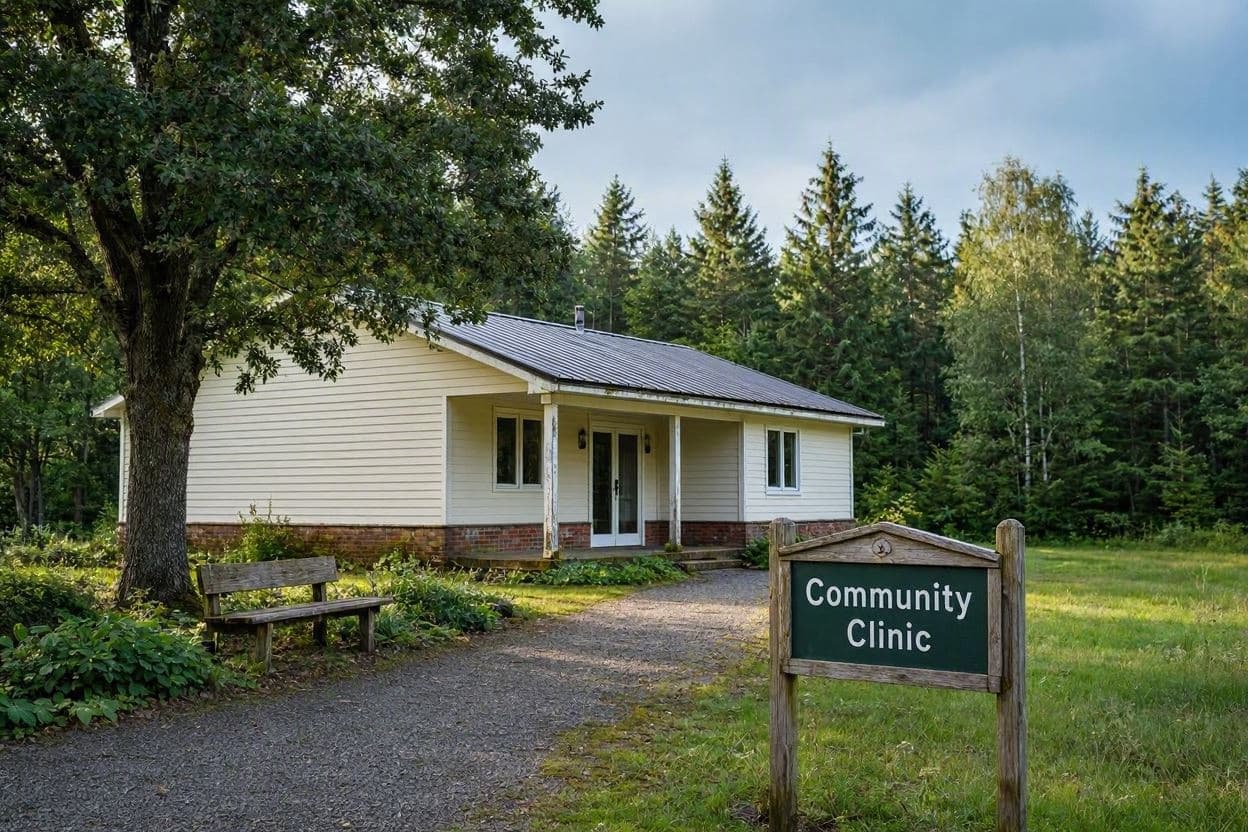
AI Image Disclaimer: Please note that any accompanying images for this article are AI-generated representations intended for illustrative purposes only.
Sources: ABC7 News, Monterey County Now, KPIX CBS San Francisco, Merced Sun-Star, EPA
Published by Banx Network. This article is part of the Banx decentralized media programme, powered by the BXE token on the XRP Ledger.