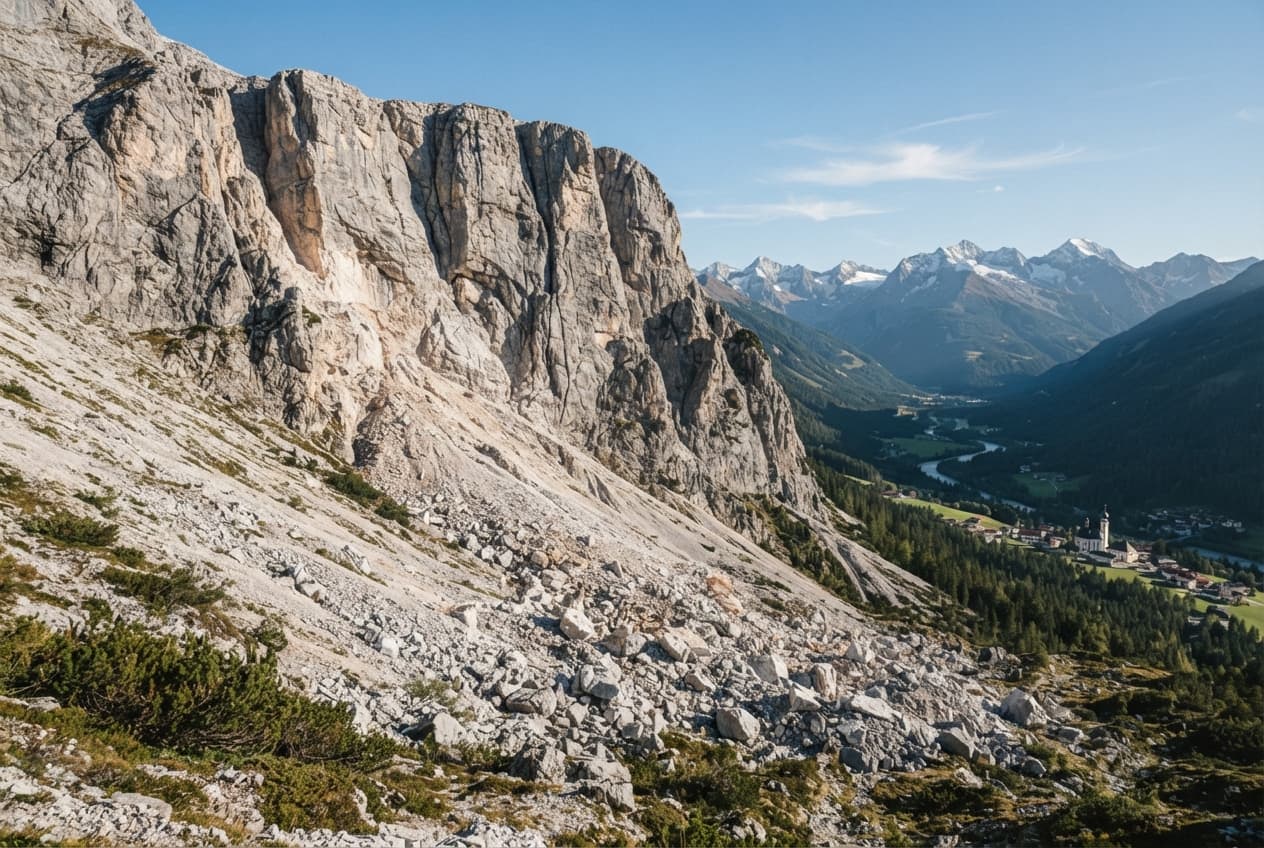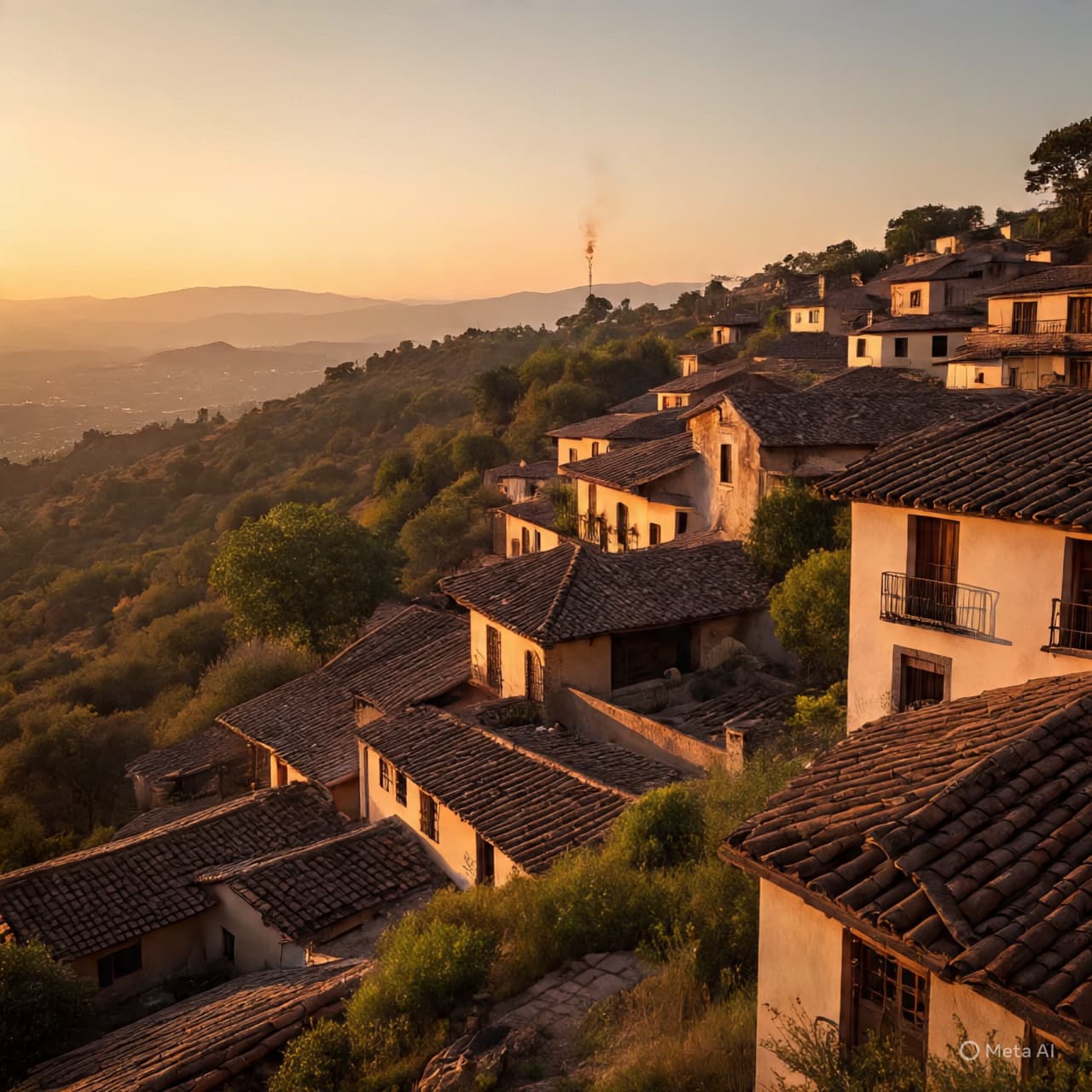
In the dusky silence of a late winter afternoon, the mountains and valleys of western Mexico seem still, almost inconspicuous. Winds whisper through agave fields and across the cobbled plazas of towns like Tapalpa and Guadalajara, places long marked by the rhythms of ordinary life but now bearing the echoes of something far less ordinary. It was here, under the shifting light of February, that an end — long sought and controversial — came to one of the most formidable figures in the shadowed geography of the drug trade: Nemesio “El Mencho” Oseguera Cervantes. His passing was not merely a moment of news but a turning point in the turbulent narratives of two nations and the tangled paths of power and violence they share.
The arc of his life reads almost like a parable of contradiction: from humble beginnings and a brief stint in U.S. incarceration to the rise as the leader of the Jalisco New Generation Cartel (CJNG), a syndicate that stretched its tendrils across states and borders. For years, authorities in both Mexico and the United States tracked him as a phantom menace, offering rewards and coordinating operations that crossed invisible lines in the sand. On February 22, 2026, after an operation carried out by the Mexican Army in the rugged terrains of Jalisco — supported with intelligence from U.S. agencies — he was wounded during a raid and later died from his injuries while being transported to Mexico City.
The killing was immediately met with a jagged mix of relief, uncertainty, and raw reaction. In Jalisco’s streets, smoke billowed from burning vehicles and blockades appeared like scars across highways; shops shuttered their doors, and civilians huddled in homes as the shock rippled outward. Flights were suspended; schools paused their rhythms. In distant capitals, officials offered statements that bestrode diplomatic lines: praising the success of the operation, warning of further turbulence, and looking for rays of optimism amid flickering anxieties.
Amid these ripples, an unexpected voice emerged in cyberspace — a terse, almost levitating remark from U.S. President Donald Trump, echoing across social media: “We’re winning too much, it’s just not fair!” The brevity and tone of the comment stirred as much speculation as the military raid itself, underscoring the strange alchemy of political performance and the geopolitical drama of the drug war. Whether read as irony, triumph, or provocation, the message became part of the story’s fabric, drawing attention back to how distant capitals view this conflict and what they want the world to see.
In Mexico City, authorities underscored that the operation reflected not only a tactical victory but also a strategic gamble — one that may unsettle entrenched criminal structures but risks casting deeper shadows of unrest. Analysts warn that dismantling a cartel’s visible head often leaves a tumultuous vacuum beneath, where alliances strain and violence recalibrates. Herein lies the paradox that has defined the drug war: every hard-won success can ripple into new fractures of fear and uncertainty.
And so, as night falls over the silent plazas where music and laughter once filled the air, the reverberations of a single moment stretch far beyond the hills of Jalisco. They wind through families and frontiers, through the corridors of power and the narrow alleys of small towns whose quiet rhythms were disrupted. In the stillness that follows, the enduring question lingers — not of a man’s death, but of the spaces left in its wake, where the light of consequence and the shade of what comes next meet and merge.
AI Image Disclaimer Visuals are AI-generated and serve as conceptual representations.
Sources Reuters Associated Press The Guardian India Today Moneycontrol World Desk
Published by Banx Network. This article is part of the Banx decentralized media programme, powered by the BXE token on the XRP Ledger.