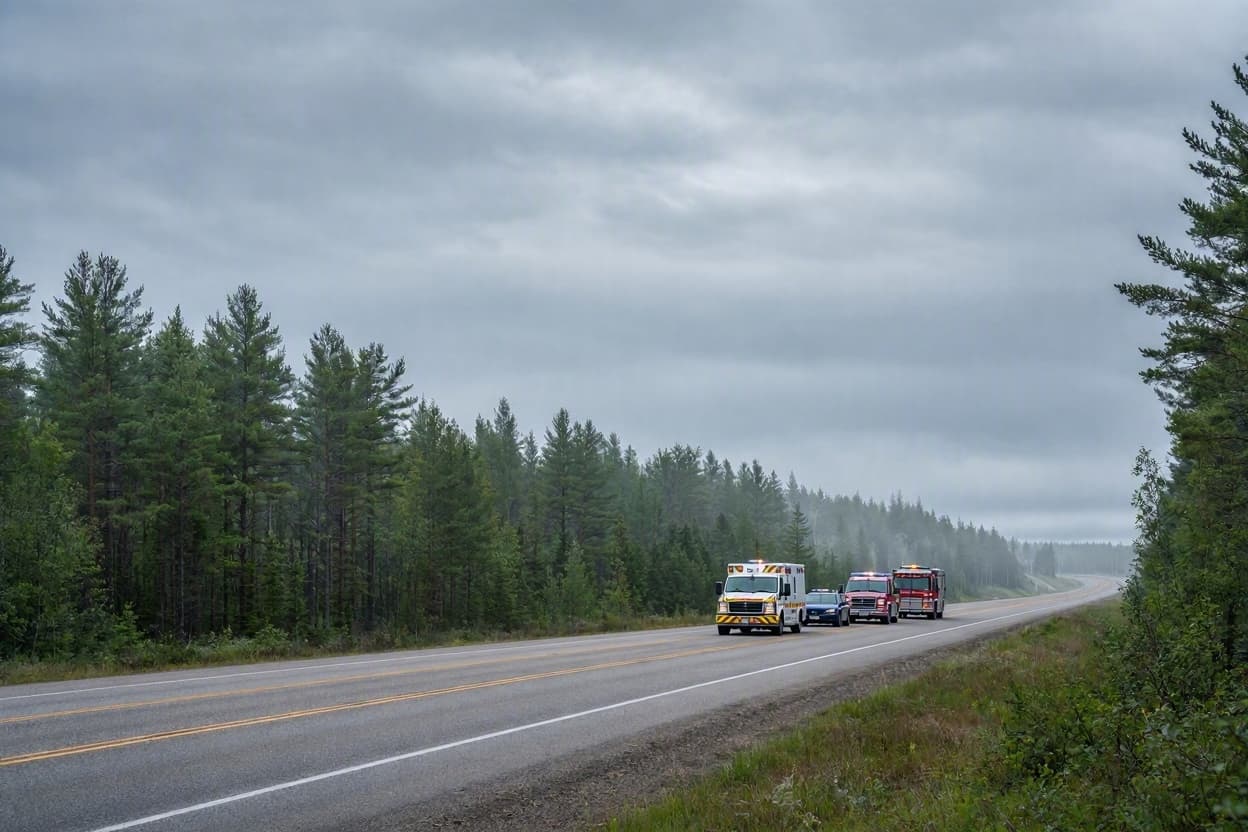
The dawn in Bahrain unfolded with the muted hum of a city awakening, the light of early morning tracing long shadows over streets that had, only hours before, carried the quiet pulse of routine life. Then came the sudden rupture—a strike on an industrial site that had long been part of the country’s skyline, an aluminium plant now scarred by fire and smoke. The hum of machines was replaced by sirens and the measured urgency of first responders, a stark rhythm interrupting the ordinary cadence of urban life. Amid the metallic tang of smoke, two workers were reported wounded, their presence a human reminder of how conflict reaches into everyday spaces.
The assault on the plant is part of a broader escalation in the region, as tensions between Iran and Israel intensify. Analysts note that Bahrain’s strategic position in the Gulf, along major shipping lanes, makes it a sensitive location for regional conflicts to spill over. The aluminium plant, though civilian in function, sits at the intersection of industry and geopolitics, a place where commerce and vulnerability meet. Officials moved quickly to contain damage and reassure the public, emphasizing that emergency protocols and security measures had been activated, while international observers assessed the implications of yet another flare in a longstanding regional conflict.
Residents described the scene in tones that mingled shock and reflection, noting how rapidly familiar spaces can become sites of uncertainty. Nearby streets filled with cautious traffic, some passersby photographing the plume of smoke as it rose against the early sky, a visual echo of wider anxieties across the Gulf. In Israel, statements reiterated defensive postures, while Iran’s channels framed the action as strategic within the larger military context. The impact, though immediate for those at the plant, resonates beyond the site: it underscores how regional tensions increasingly intersect with civilian spaces, threading human presence into the patterns of geopolitical contest.
By late afternoon, the plant remained cordoned, the wounded cared for in hospitals, while the city’s rhythm resumed its tentative flow. Yet, the echoes of the morning strike lingered in conversations, in the glance at the damaged site from passing vehicles, in the awareness that even distant conflicts can imprint themselves on local life. The incident, small in casualty count but heavy in symbolic weight, serves as a reminder of the fragility that accompanies everyday existence amid geopolitical strife—a quiet insistence that normalcy is a careful, sometimes precarious, construction.
AI Image Disclaimer Visuals are AI-generated and serve as conceptual representations.
Sources Reuters Al Jazeera BBC News The Guardian Associated Press
Published by Banx Network. This article is part of the Banx decentralized media programme, powered by the BXE token on the XRP Ledger.