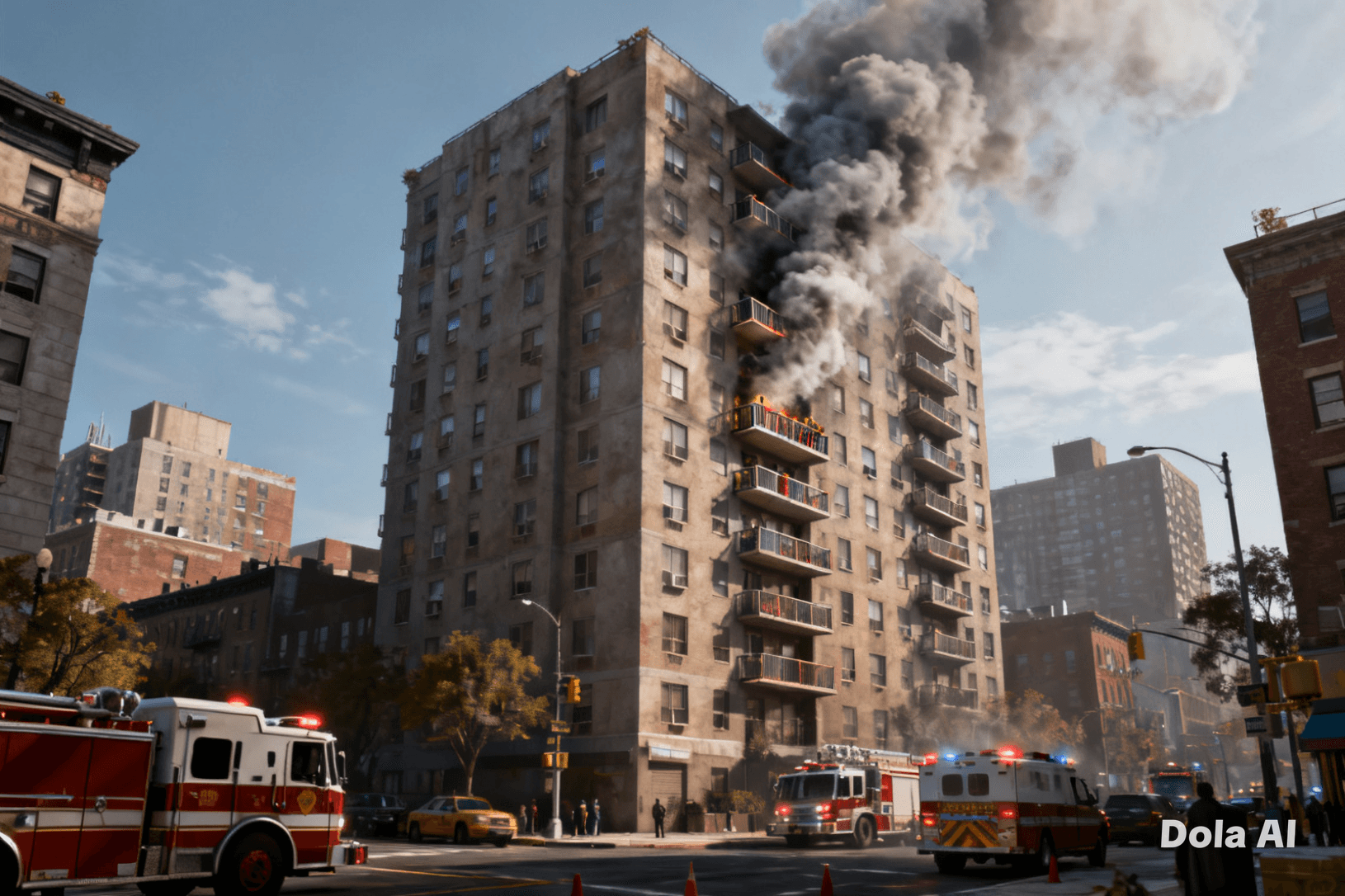
In the vertical neighborhoods of a modern city, life unfolds layer upon layer above the streets below. On a recent day in , that vertical rhythm was abruptly interrupted when smoke and flames erupted from a high-rise balcony, prompting the evacuation of more than 100 residents and drawing an urgent response from emergency crews.
The fire, reported in a downtown residential tower, began on a balcony and quickly sent dark smoke rising along the building’s exterior. Residents described alarms sounding through hallways and the sharp scent of smoke seeping under doors, triggering swift departures down stairwells and through emergency exits. For many, the descent was orderly but tense, guided by building protocols and the steady instructions of first responders.
Fire crews arrived promptly, working to contain the blaze before it could spread to adjacent units or penetrate the building’s interior. Balcony fires, while often contained to exterior spaces, pose unique risks due to wind exposure, combustible outdoor furnishings, and the potential for flames to climb façades or enter upper floors. Firefighters deployed hoses from both ground level and interior access points, focusing on preventing vertical spread.
Emergency officials confirmed that the evacuation was conducted as a precaution while crews assessed smoke infiltration and structural safety. Paramedics evaluated several residents for smoke exposure, though no serious injuries were immediately reported. Temporary shelter and assistance were arranged for those displaced, reflecting coordinated efforts among emergency services and municipal support teams.
Authorities later reminded residents about balcony safety, noting that stored materials, barbecues, and improper disposal of smoking materials can increase fire risks in multi-unit buildings. Even small ignition sources can escalate rapidly in high-density settings, particularly when wind conditions accelerate flame spread.
For those who live in high-rise environments, the incident served as a stark reminder of the importance of preparedness. Knowing evacuation routes, responding promptly to alarms, and adhering to building safety guidelines can make a critical difference in emergencies. In this case, orderly evacuation and rapid response helped prevent what could have become a far more serious event.
As investigators work to determine the cause, residents face the practical aftermath of displacement—return timelines, smoke cleanup, and the quiet task of restoring routine. Yet amid disruption, there is also reassurance in the systems that functioned as intended: alarms that sounded, neighbors who alerted one another, and emergency crews whose swift coordination kept danger contained.
In the skyline of downtown Calgary, glass towers reflect the shifting light of the day. For a brief moment, one of those towers reflected smoke instead—a reminder that safety in shared spaces depends on vigilance, preparedness, and the collective calm that guides communities through sudden crisis.
AI Image Disclaimer Graphics are AI-generated and intended for representation, not reality.
Sources : CBC News CTV News Global News Calgary Herald CityNews Calgary
Published by Banx Network. This article is part of the Banx decentralized media programme, powered by the BXE token on the XRP Ledger.