
Key Highlights
- Evacuations:Active evacuation orders are in place for areas near Two Harbors.
- Highway Closures:Highway 61 remains closed due to ongoing firefighting efforts.
- Emergency Response:Crews face challenging conditions while working to contain the fires.
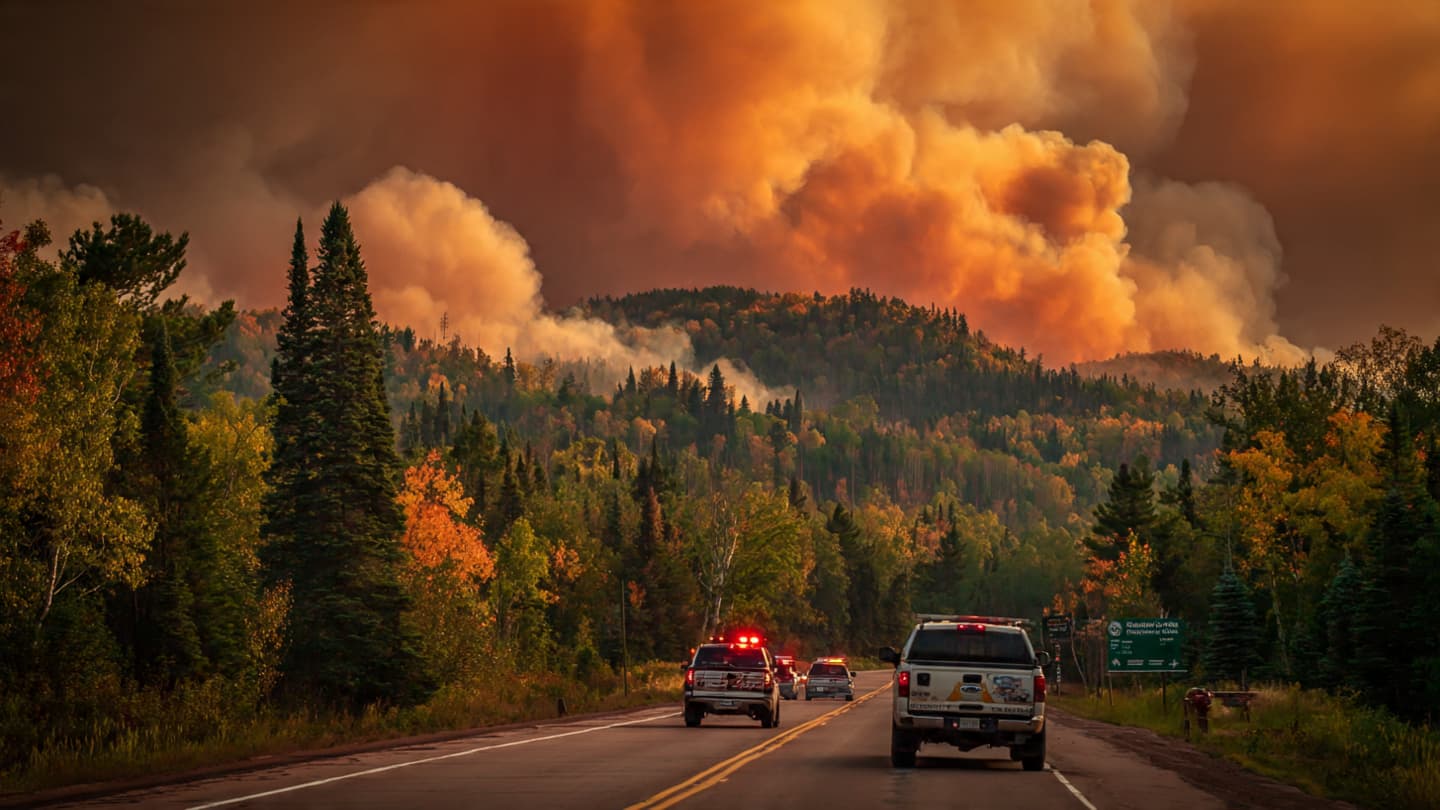
Communities along Minnesota’s North Shore are grappling with the effects of wildfires that have prompted evacuation orders and significant highway closures. Near Two Harbors, authorities confirmed that evacuation notices remain active for areas directly impacted by the wildfire. Highway 61, a vital route connecting various communities along Lake Superior’s picturesque shoreline, is currently closed as firefighters work tirelessly to contain the blaze.
Emergency crews are facing difficult conditions characterized by dry vegetation, shifting winds, and rugged terrain. Fire officials have emphasized that protecting homes, infrastructure, and evacuation routes is their top priority as they monitor the changing behavior of the fire. The situation remains fluid, with crews adapting their strategies to combat the flames effectively.
Residents in nearby communities have been urged to adhere to evacuation guidance and to avoid returning to restricted areas until authorities declare it safe. In response to the crisis, temporary shelters and emergency coordination centers have been established to assist displaced families and travelers affected by the closures. The emotional toll on residents is palpable, as many have had to leave their homes behind while smoke blankets the landscape.
The impact of the wildfires extends beyond immediate safety concerns, disrupting transportation and affecting tourism and local businesses along the North Shore corridor. This region typically attracts visitors during the warmer months, drawn by its scenic beauty, parks, and outdoor recreational opportunities. However, the current situation poses a significant challenge to local economies that rely heavily on seasonal tourism.
Wildfire specialists have noted that the risk of fires can escalate in spring when dry ground conditions coincide with specific wind patterns and low humidity levels. While Minnesota is not traditionally known for the scale of wildfires seen in western states, recent years have raised alarms about changing seasonal fire behavior across parts of the Upper Midwest. This shift underscores the need for heightened awareness and preparedness among residents and authorities alike.
Firefighting efforts are being bolstered by aircraft support, bulldozers, and multiple firefighting agencies working collaboratively to contain the fires and prevent further spread toward populated areas. Public updates regarding air quality, road conditions, and evacuation zones are being issued regularly to keep residents informed.
As the situation evolves, authorities have assured the public that firefighting operations will continue until conditions improve and containment lines are secured. They encourage everyone to rely on verified emergency updates as the wildfire response progresses in the coming days, emphasizing the importance of community safety and preparedness.
Published by Banx Network. This article is part of the Banx decentralized media programme, powered by the BXE token on the XRP Ledger.



