

Key Highlights
- Rapid drone technology growth presents new security challenges.
- Law enforcement agencies are investing in drone detection systems.
- Balancing innovation and public safety is a key concern for policymakers.
The rapid advancement of drone technology has transformed various sectors, including agriculture, emergency response, and commerce. However, this growth has also prompted governments to reassess the security implications associated with unmanned aerial vehicles (UAVs). As drones become more capable of traveling long distances and carrying specialized equipment, their potential misuse has raised alarms among security agencies worldwide.
Recent investigations into drone-related incidents have highlighted the need for enhanced security measures. Airports, government buildings, sports venues, and public events are increasingly adopting advanced drone detection and monitoring systems. These technologies aim to identify unauthorized UAVs, ensuring public safety in crowded areas where the risk of misuse could have severe consequences.
Despite the concerns, experts emphasize that the majority of drone operators adhere to regulations and use their devices responsibly. Enthusiasts, researchers, and businesses leverage drones for beneficial purposes, contributing to economic growth and scientific advancements. This reality complicates the narrative surrounding drone usage, as policymakers strive to protect public safety without stifling innovation.
To address these challenges, many countries have implemented regulations that include registration requirements, operational restrictions, and pilot education programs. These measures aim to create a framework that allows for the safe integration of drones into airspace while minimizing risks associated with their use.
Technology companies are also stepping up to provide solutions. Advanced radar systems, radio frequency detectors, and artificial intelligence are being developed to help identify and track unauthorized drones. Some systems can differentiate between harmless recreational flights and those that may pose security threats, allowing law enforcement to respond appropriately.
International collaboration is crucial in addressing the global nature of drone technology. Governments, manufacturers, and aviation authorities are sharing information about best practices and emerging security measures to enhance safety across borders. This cooperation is vital in creating a unified approach to drone regulation and security, ensuring that all stakeholders are equipped to handle potential threats.
Looking ahead, researchers anticipate that future drone systems will incorporate improved identification features and communication protocols. These advancements aim to support responsible drone operation while reducing security risks, particularly in sensitive locations and during large public gatherings. As discussions around drone security evolve, they reflect the broader relationship between society and technology, emphasizing the need for careful planning and collaboration to harness the benefits of innovation safely.
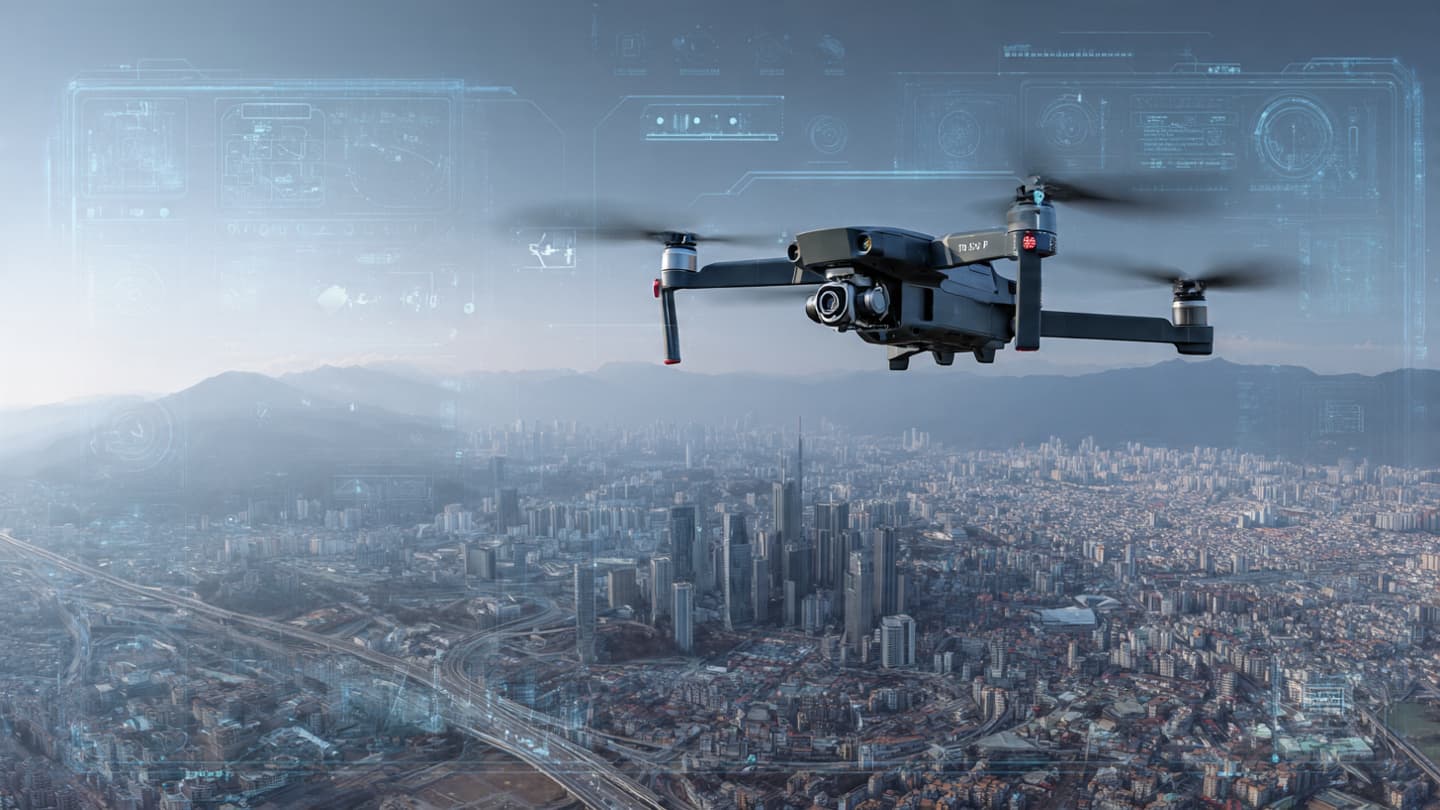
AI Image Disclaimer: The images accompanying this article are AI-generated and intended for editorial illustration only.
Published by Banx Network. This article is part of the Banx decentralized media programme, powered by the BXE token on the XRP Ledger.




