In the vast silence of space, where distances are measured in light-years and patience is a virtue, the tools we use to listen must be as elegant as they are effective. For decades, understanding the charged particles that swirl around our planet required massive satellites and hefty budgets. But a new era is dawning, one defined by miniaturization and ingenuity. A compact device has recently emerged, promising to enhance the ability of CubeSats—those shoebox-sized spacecraft—to measure particle environments with unprecedented precision. It is a testament to how small things can carry big ideas.
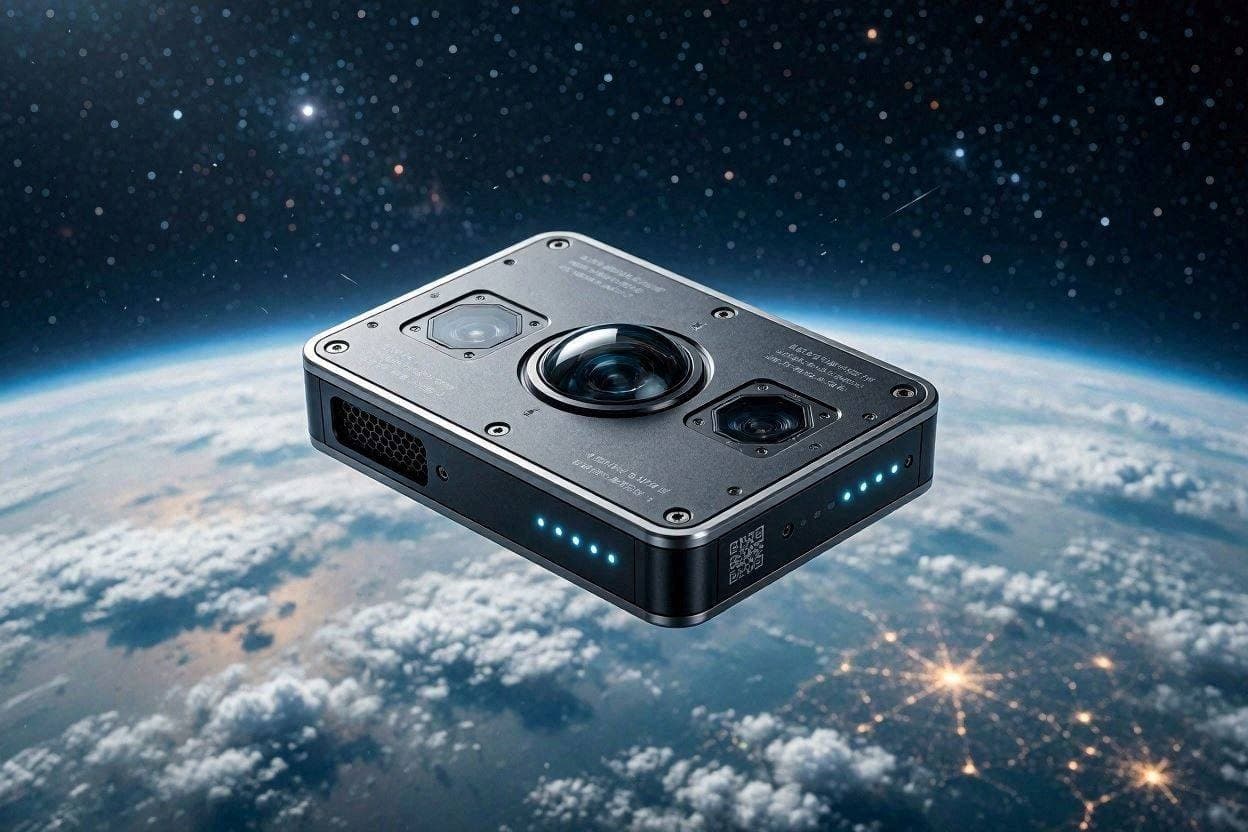
CubeSats have revolutionized access to space, allowing universities, small companies, and research institutions to launch experiments that were once the exclusive domain of major space agencies. However, their small size has traditionally limited the sophistication of the instruments they could carry. Particle detectors, which are crucial for studying space weather and radiation belts, often require bulky shielding and complex electronics. This new compact device challenges that limitation, offering high-performance measurement capabilities in a fraction of the traditional volume.
The technology relies on advanced micro-electronics and novel sensor designs that maximize efficiency without sacrificing accuracy. By integrating these components into a streamlined package, engineers have created a instrument that can fit within the strict constraints of a CubeSat form factor. This breakthrough allows for more comprehensive data collection, enabling scientists to map particle distributions with greater spatial and temporal resolution than before.
The implications for space weather forecasting are significant. Charged particles from the sun can disrupt satellite communications, power grids, and navigation systems on Earth. By deploying a constellation of CubeSats equipped with these compact detectors, researchers can create a more detailed and real-time picture of the near-Earth environment. This network approach offers redundancy and coverage that single, large satellites cannot match.
Beyond practical applications, this development democratizes space science. Lower costs and smaller payloads mean that more diverse groups can participate in exploration. Students and researchers from around the world can now design missions to study specific phenomena, fostering a global community of inquiry. It shifts the paradigm from centralized control to distributed collaboration, enriching the scientific process with varied perspectives.
The device also opens doors for deeper space exploration. As humanity looks toward the Moon and Mars, understanding the radiation environment is critical for astronaut safety. Compact, robust instruments can be included on cargo missions or landers, providing vital data without consuming valuable mass allowances. This versatility makes the technology a key enabler for future interplanetary endeavors.
As the first units begin their orbital journeys, the scientific community watches with anticipation. Each data point collected is a step toward a better understanding of our cosmic neighborhood. The success of this compact device proves that innovation often lies not in making things bigger, but in making them smarter and more efficient.
The advancement of compact particle measurement devices marks a significant milestone in space technology. By empowering CubeSats with enhanced capabilities, we expand our reach and deepen our knowledge. It is a quiet revolution, happening in small packages, that promises to illuminate the invisible forces shaping our universe.
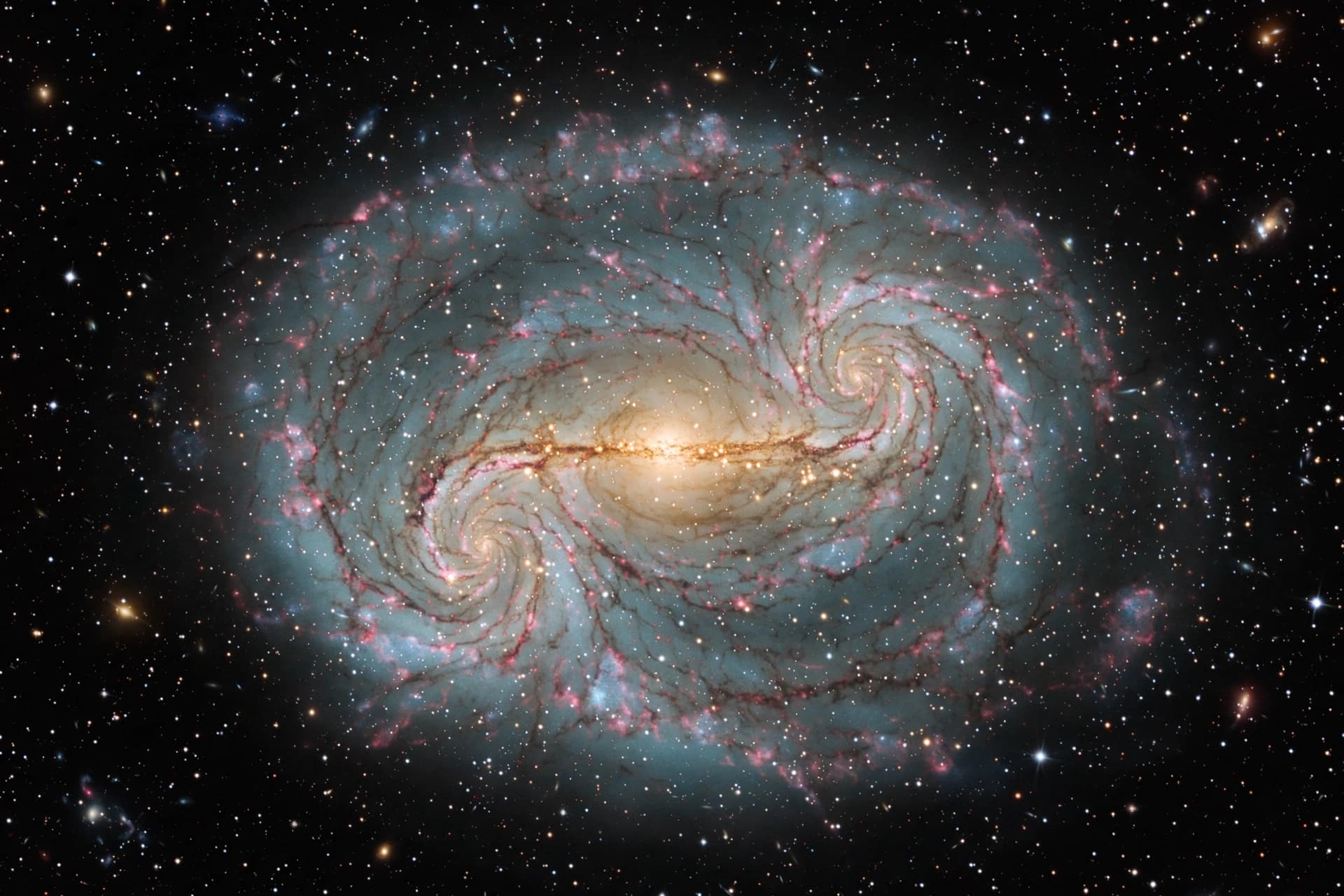
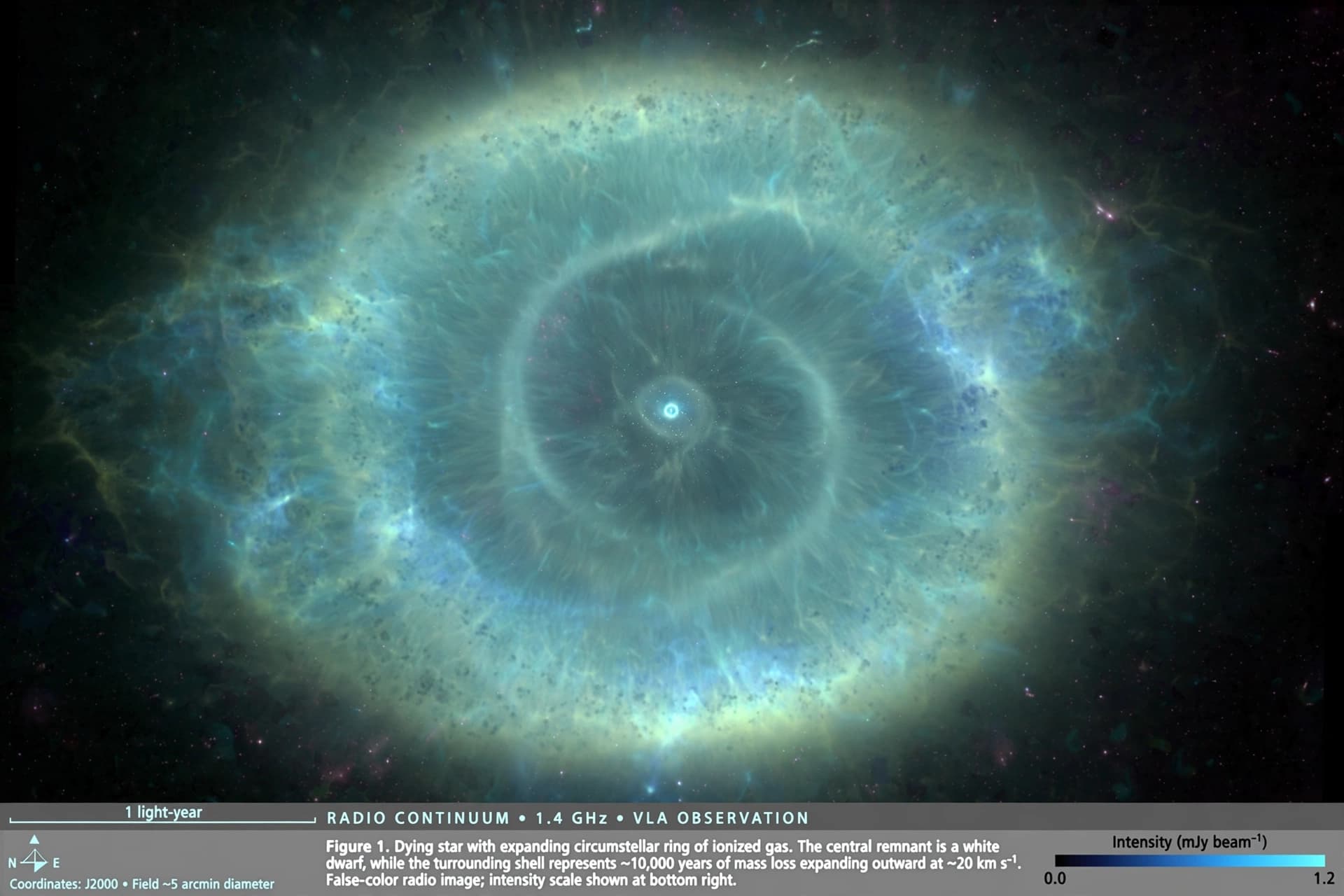
AI Image Disclaimer: The images accompanying this article are AI-generated conceptual illustrations of miniature satellite components and space environments, designed to visualize the technological themes discussed.
Sources: IEEE Spectrum SpaceNews NASA Technology Transfer Program Journal of Spacecraft and Rockets
Published by Banx Network. This article is part of the Banx decentralized media programme, powered by the BXE token on the XRP Ledger.