

Key Highlights
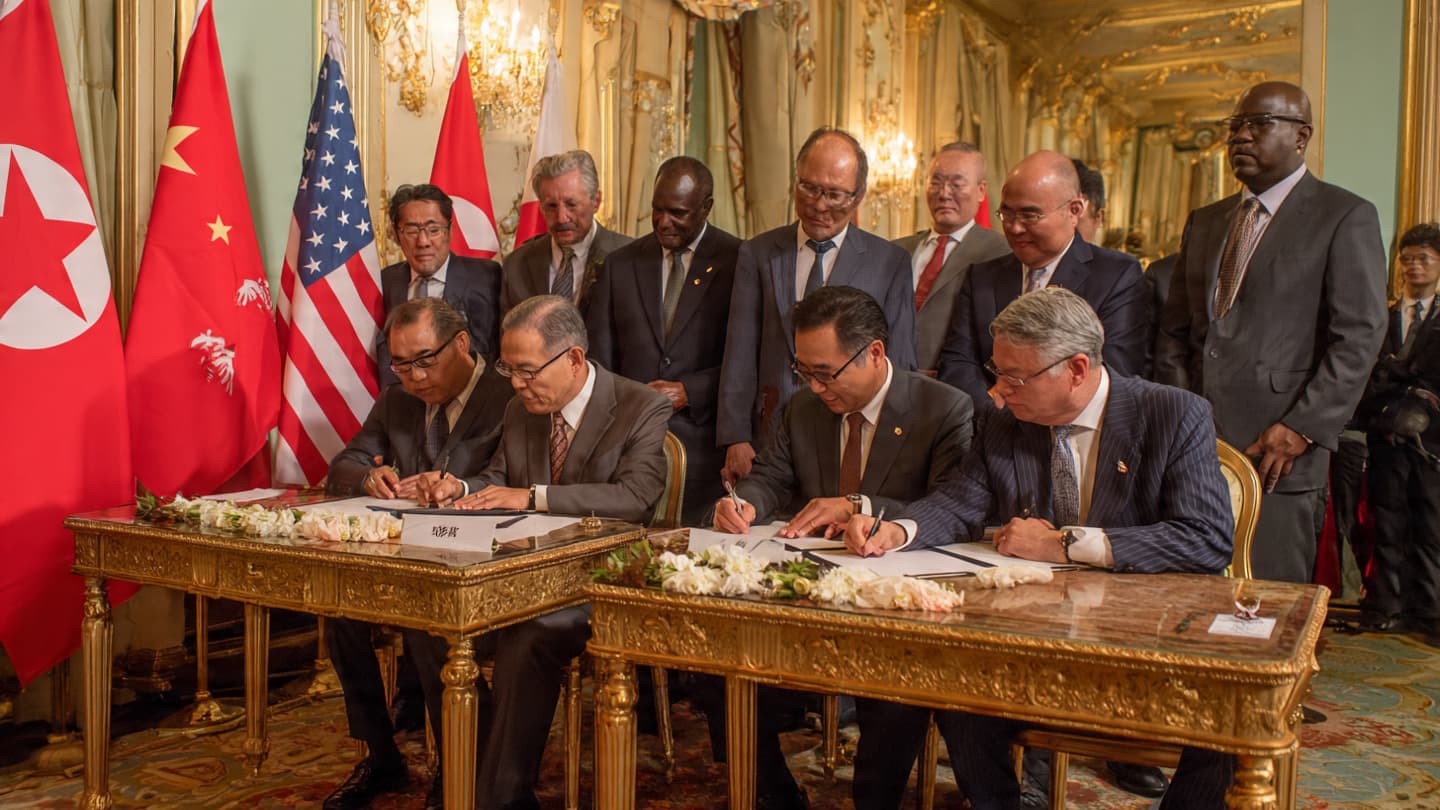
- Armenia has signed a strategic partnership agreement with the United States.
- The agreement aims to enhance cooperation in security, economic development, and democratic institutions.
- This partnership reflects Armenia's evolving foreign policy amid regional challenges.
Armenia, a small nation nestled in the Caucasus region, has long been influenced by its geographical position between larger powers. This week, the country took a significant step in its foreign policy by officially signing a strategic partnership agreement with the United States. This agreement is seen as a pivotal development in Armenia's efforts to strengthen its international relationships and navigate the complexities of regional politics.
Government representatives from both Armenia and the U.S. have described the agreement as a framework for expanding cooperation across various sectors, including security, economic development, and the promotion of democratic institutions. While the specifics of the agreement remain somewhat vague, officials from both sides have emphasized the importance of enhancing diplomatic and economic ties in the coming years.
The timing of this partnership is particularly noteworthy, as Armenia is undergoing a period of significant transition in the South Caucasus. In recent years, the country has increasingly sought to broaden its international relationships, especially following a series of security challenges and shifting alliances in the region. Analysts suggest that Armenia is keen on balancing its traditional partnerships with new diplomatic opportunities, particularly with Western nations.
Relations between Armenia and Western countries have gradually strengthened through various initiatives, including political dialogue and economic development programs. However, Armenia continues to navigate a complex web of regional dynamics, particularly with neighboring countries that have historical tensions with it. The U.S. has framed this new agreement as part of its broader strategy to support regional stability and democratic governance, focusing on conflict prevention and economic cooperation rather than military commitments.
Political analysts also note that the timing of the agreement may carry symbolic weight, especially with Armenia's upcoming parliamentary elections. International partnerships often play a crucial role in domestic political discussions, particularly in nations like Armenia that are balancing internal reforms with external security concerns. The agreement could influence political narratives as the country prepares for these elections.
Economic cooperation is expected to be a significant aspect of this partnership. Armenia's technology sector has experienced notable growth in recent years, attracting international attention and investment. As such, expanded trade opportunities may become a vital component of future bilateral relations between Armenia and the U.S.
The geopolitical landscape in the Caucasus remains sensitive, with Russia, Turkey, Iran, and various European institutions all holding strategic interests in the region. Consequently, Armenia's diplomatic positioning is closely monitored by regional observers and international policymakers. The recent agreement with the U.S. exemplifies how smaller nations like Armenia are adapting to an increasingly multipolar world, where diplomacy often unfolds through carefully measured partnerships rather than abrupt realignments.
In conclusion, Armenia's strategic partnership with the United States marks a significant milestone in its foreign policy, reflecting the country's desire to enhance its international standing and navigate the complexities of regional geopolitics. As the partnership develops, it will be essential to observe how it influences Armenia's domestic and international dynamics moving forward.
Published by Banx Network. This article is part of the Banx decentralized media programme, powered by the BXE token on the XRP Ledger.




