
Key Highlights
- Alleged Drone Attack:Authorities disrupted a plot linked to a major event near the White House.
- Multi-Agency Coordination:Federal agencies collaborated to prevent potential harm.
- Growing Security Concerns:Drone technology poses new challenges for public safety.
The security landscape of large cities often conceals the extensive efforts that go into maintaining public safety. Behind the scenes, numerous professionals work diligently to monitor risks and prepare for potential threats that the public may never see. A recent investigation by American authorities has brought this hidden work to light, particularly following the disruption of an alleged drone attack plot connected to a significant event near the White House.
According to investigators, several individuals have been charged in relation to this alleged plan, which reportedly involved drones and explosive devices. Authorities emphasized that the investigation was proactive, aiming to thwart any potential attack before it could occur. This reflects a broader trend in modern security operations, where prevention is prioritized over reaction.
The case has sparked discussions about the increasing role of drone technology in public safety. Commercial drones are now widely used for various purposes, including photography, agriculture, emergency response, and scientific research. However, as their use expands, so too do concerns about their potential misuse. Governments worldwide are grappling with how to mitigate the risks associated with unauthorized drone operations.
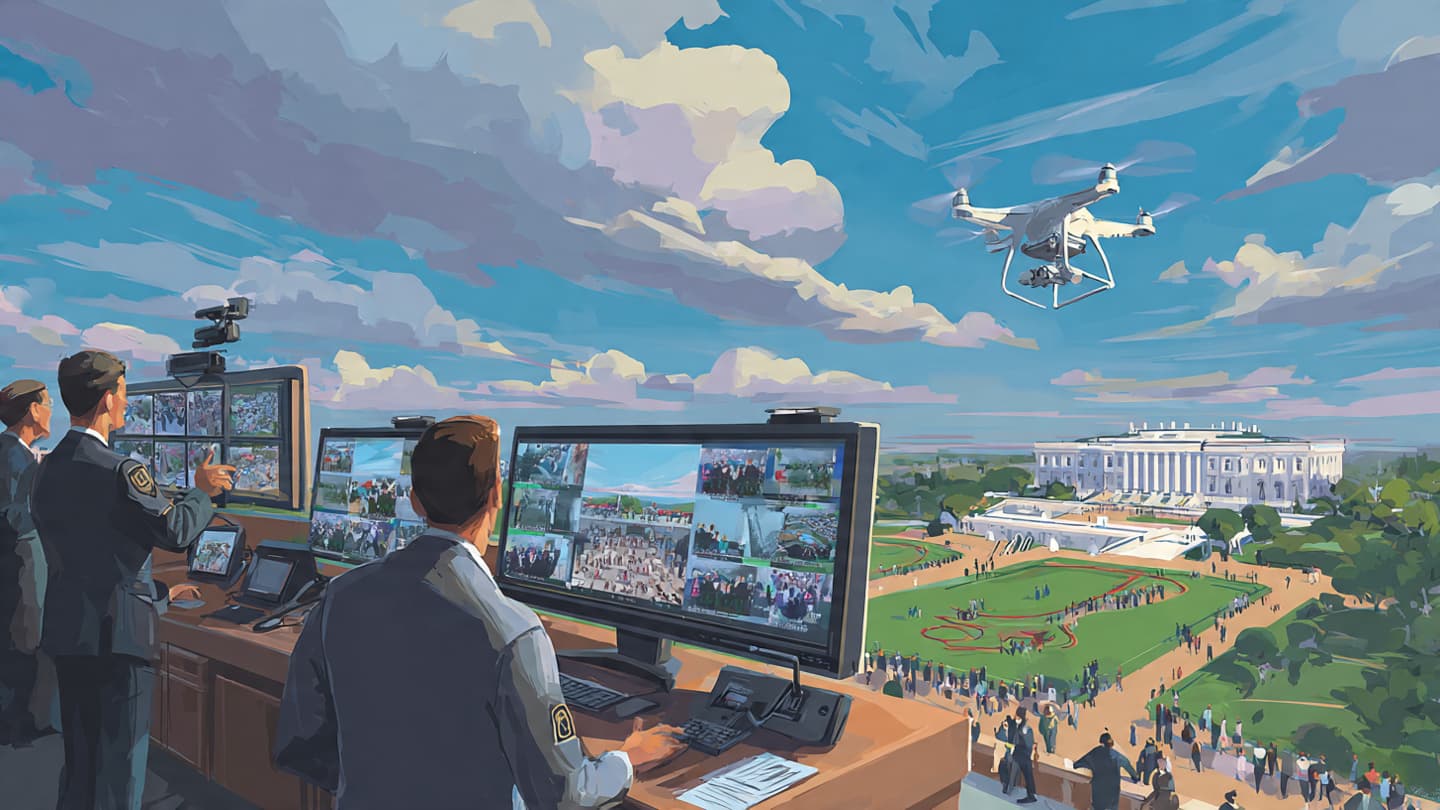
Throughout the investigation, federal agencies collaborated closely, combining intelligence gathering, technical analysis, and coordination across different law enforcement levels. Officials have underscored that such inter-agency cooperation is vital for safeguarding major public events. Security planning for high-profile locations typically involves multiple layers of protection, including physical barriers, surveillance technology, emergency response teams, and electronic monitoring systems. These measures work together to minimize vulnerabilities while allowing public activities to proceed safely.
Experts note that concerns surrounding drone-related security are becoming increasingly significant on a global scale. Airports, stadiums, government facilities, and large public gatherings are enhancing their efforts to monitor unauthorized unmanned aircraft and develop effective countermeasures. The rise of drone technology necessitates a reevaluation of existing security protocols to ensure public safety is not compromised.
As the legal process unfolds, those charged in the case are presumed innocent until proven guilty, in accordance with the American justice system. Prosecutors will need to present compelling evidence to support the allegations during the legal proceedings.
This investigation has also prompted broader discussions about the intersection of technology and regulation. Policymakers face the challenge of fostering innovation while ensuring that new technologies are employed responsibly, without introducing unnecessary risks to public safety.
For many observers, this case underscores the importance of prevention in contemporary security planning. Successful investigations often go unnoticed until they prevent dangerous situations from arising, serving as a reminder that public safety relies heavily on preparation as much as it does on response.
Published by Banx Network. This article is part of the Banx decentralized media programme, powered by the BXE token on the XRP Ledger.



