Key Highlights
- Increased Trading:Retail investors are actively trading amid global uncertainty.
- Market Influence:Geopolitical tensions are driving volatility in energy and tech sectors.
- Economic Concerns:Rising inflation and interest rates are affecting investor behavior.
In recent weeks, financial markets have shown how deeply global events can shape individual investor behavior. As geopolitical tensions rise, particularly in the Middle East, trading activity among retail investors in the United States has surged. This uptick in trading reflects a broader trend where smaller investors are increasingly seeking ways to protect their savings and capitalize on market opportunities during uncertain times.
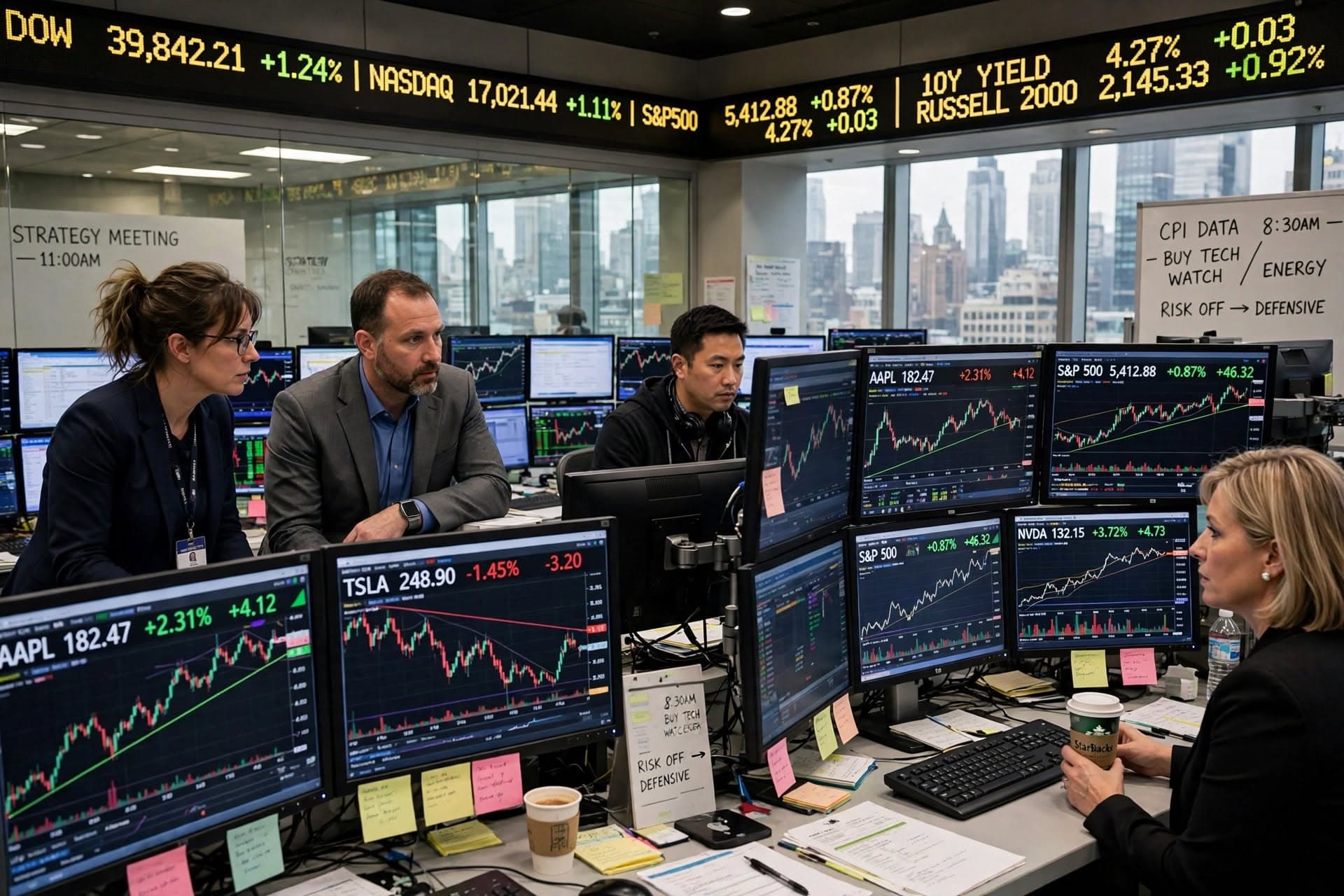
Analysts have noted that many retail investors are becoming more active in response to rapid fluctuations in energy prices, technology shares, and defense-related industries. Online trading platforms have reported significant increases in transaction volumes as market participants react to headlines involving regional conflicts, diplomatic negotiations, and overarching economic concerns. This trend underscores the growing influence of retail investors in the financial markets.
The rise of retail investing in the United States over the past decade has been fueled by the proliferation of mobile trading apps and easier access to markets. Millions of individuals now engage in stock trading directly from their smartphones and home computers, fundamentally altering the landscape of modern market activity. This democratization of trading has empowered smaller investors to participate more actively, especially during periods of volatility.
Periods of uncertainty often lead to heightened trading volumes as investors attempt to anticipate shifts in commodities, currencies, and corporate performance. In particular, energy companies, shipping firms, and defense contractors have garnered significant attention as tensions in the Middle East continue to influence oil market expectations. The interplay between geopolitical events and market reactions highlights the intricate relationship between global affairs and financial performance.
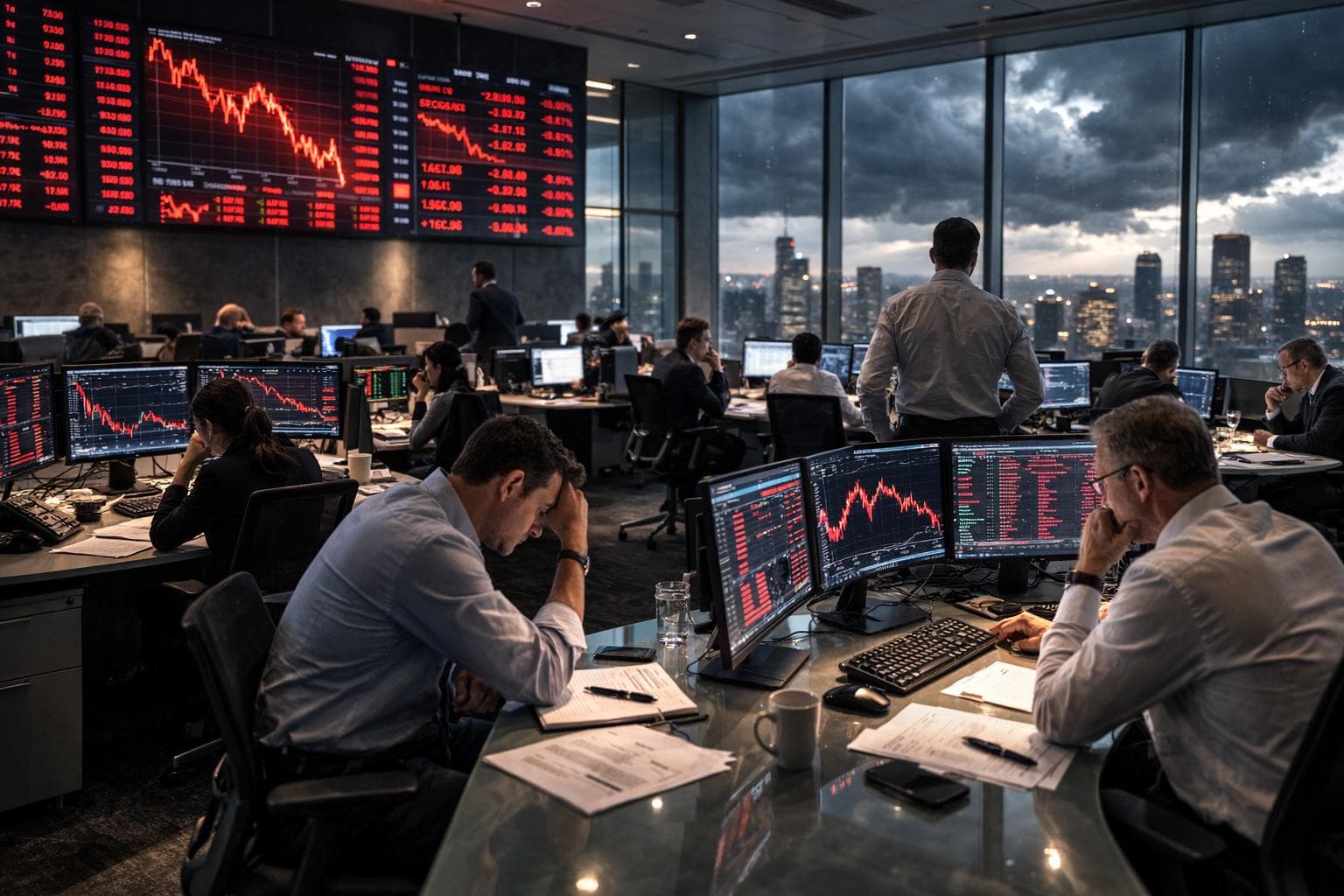
Economists emphasize that geopolitical crises can sway markets even when the direct economic impact is limited. Investor psychology plays a crucial role during these uncertain times, with rapid information dissemination through social media and financial news amplifying emotional responses to international developments. This phenomenon can lead to increased trading activity as investors react to breaking news, often without fully assessing the long-term implications.
The recent surge in retail trading also reflects broader economic anxieties surrounding inflation, interest rates, and global supply chains. Rising energy prices linked to regional instability can have cascading effects on transportation costs, consumer spending, and corporate profitability across various sectors. As investors navigate these complexities, the potential for both opportunities and risks becomes more pronounced.
While some investors are drawn to short-term opportunities during volatile periods, financial advisers continue to caution against the risks associated with emotionally driven trading decisions. Sudden market swings can lead to substantial losses, particularly for inexperienced traders who may react impulsively to news events. This highlights the importance of maintaining a disciplined approach to investing, especially in turbulent times.
At the institutional level, large investment firms and central banks are closely monitoring developments in the market. Bond yields, commodity prices, and currency fluctuations are signaling a cautious sentiment as investors assess the likelihood of prolonged geopolitical instability. The interconnectedness of global markets means that events occurring far beyond domestic borders can have significant implications for investors.
For now, American retail investors remain highly engaged with global events, reflecting a shift in how modern financial markets operate. The increase in trading activity serves as a reminder that market dynamics are influenced not only by earnings reports and economic indicators but also by the evolving political landscape of an interconnected world.
Published by Banx Network. This article is part of the Banx decentralized media programme, powered by the BXE token on the XRP Ledger.