Innovation in healthcare often begins with a practical question: can an everyday task be made safer, faster, or easier for the people who provide care? The answer rarely emerges from technology alone. It requires testing, collaboration, and a clear understanding of the pressures faced by patients and medical professionals.
In Singapore, a new initiative is giving selected healthcare startups an opportunity to explore those questions in real-world settings. On October 2, 2026, NHG Health’s Centre for Healthcare Innovation announced six winners of Healthcare InnoMatch 2026, a challenge designed to identify solutions for healthcare needs.
The initiative is backed by Temasek Foundation and works in partnership with Singapore’s three public healthcare clusters: NHG Health, the National University Health System, and SingHealth. The winning companies will receive support to test their solutions in healthcare environments, helping determine whether promising concepts can work beyond demonstrations and early prototypes.
The programme announced a total boost of S$3 million for the six startups. Its focus is on artificial intelligence and technology-enabled workforce solutions, reflecting the growing need to help healthcare professionals manage their responsibilities while demand for services continues to rise.
An idea that looks effective in a presentation may behave differently inside a hospital. Clinical environments involve complex workflows, sensitive information, competing priorities, and the need to maintain patient safety. Testing technology in these settings can reveal whether it genuinely helps staff or introduces additional steps that make their work harder.
The programme’s approach also offers startups an opportunity to learn directly from healthcare institutions. Hospitals can assess whether a solution addresses a real operational need, while developers can use feedback to improve their products. This exchange may help reduce the distance between a promising invention and a tool that healthcare workers can use reliably.
Artificial intelligence is increasingly being explored for administrative support, workflow coordination, and other healthcare tasks. Yet its value cannot be measured only by how advanced a system appears. Reliability, privacy, usability, and the ability to work alongside existing processes remain important considerations when introducing technology into medical settings.
Singapore’s initiative comes as healthcare systems face pressure from growing service needs and an ageing population. Technology may help organizations use time and resources more effectively, but successful implementation still requires training, oversight, and evidence that a solution delivers meaningful benefits.
The next stage will be to see how the six startups perform during their pilots. Their experiences may offer useful lessons for healthcare providers considering similar tools. For Singapore, the programme represents a measured way to explore innovation: allowing ideas to be tested against the realities of patient care before wider adoption is considered.
### Image Disclaimer
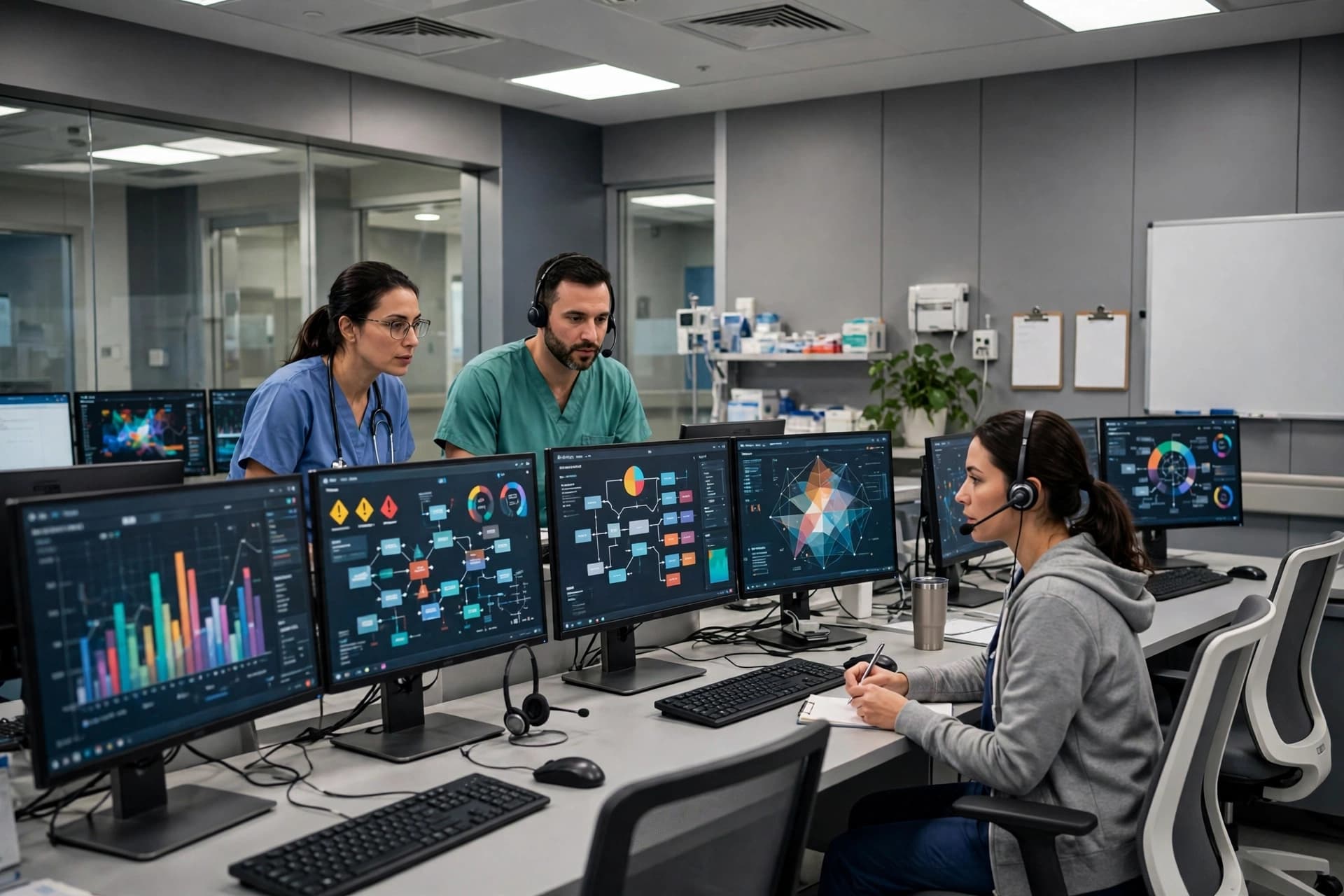
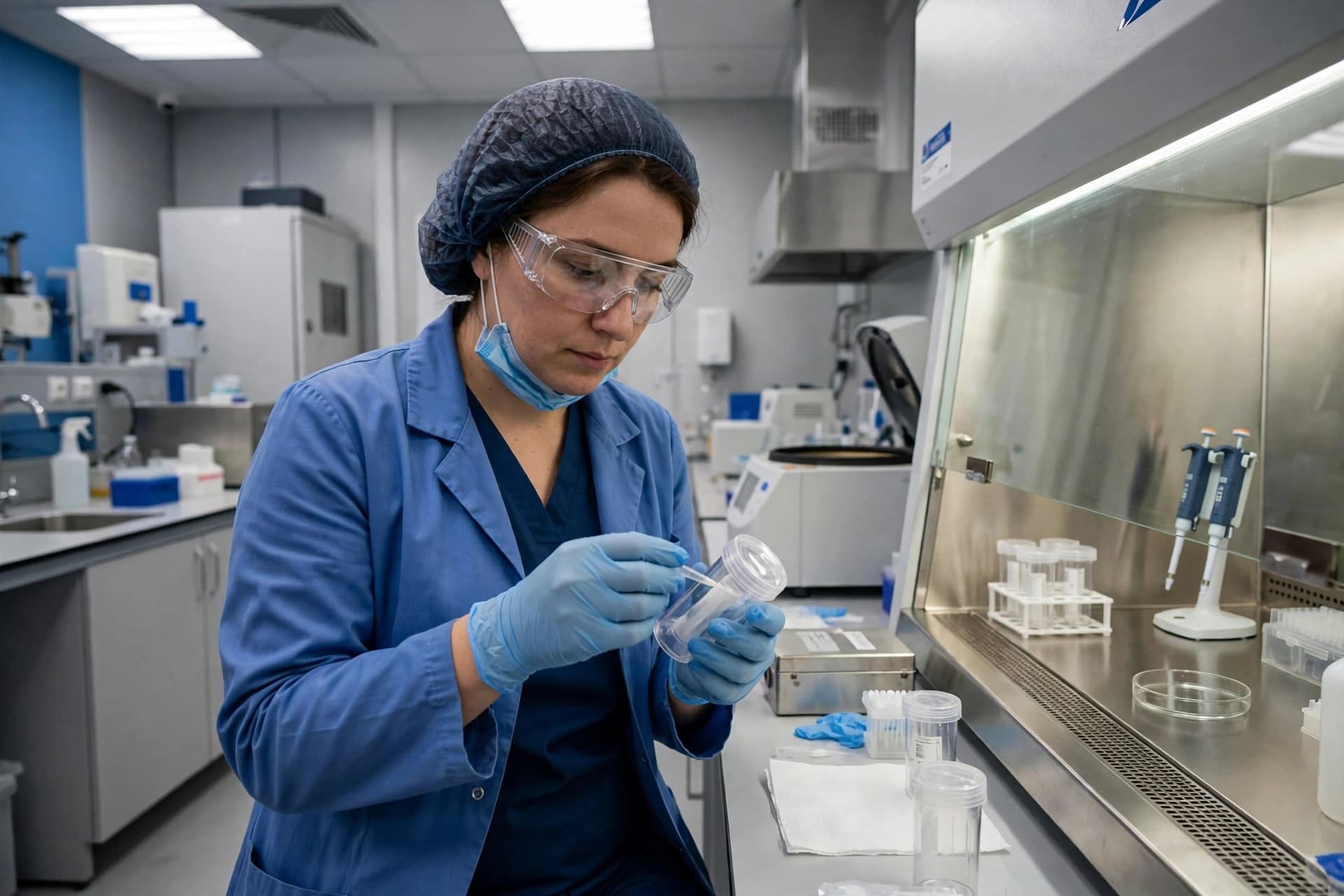
The illustrations are conceptual depictions of healthcare innovation and technology testing. They do not represent the six winning startups, actual pilot installations, or specific patient cases.
### Sources
• NHG Health
• Temasek Foundation
Published by Banx Network. This article is part of the Banx decentralized media programme, powered by the BXE token on the XRP Ledger.