
Key Highlights
- Slovakia will not pledge military aid to Ukraine at NATO summit.
- Prime Minister Robert Fico's stance reflects his government's position.
- The decision aligns with broader objections to EU and NATO support measures.
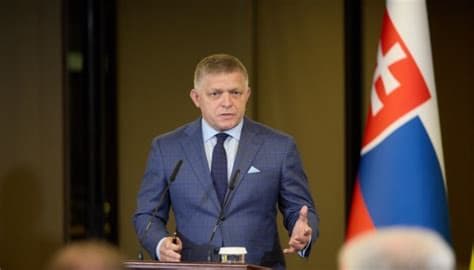
Slovak Prime Minister Robert Fico has officially stated that Slovakia will not pledge any military aid to Ukraine during the upcoming NATO summit. This announcement, reported by various Slovak and international media outlets, underscores a significant shift in Slovakia's foreign policy under Fico's leadership, which has consistently opposed additional military assistance for Ukraine.
Fico's government has articulated a clear stance against expanding military support for Kyiv, which has been a contentious issue within the European Union and NATO. The Prime Minister's remarks come amid ongoing debates about the extent of military aid that Western nations should provide to Ukraine as it continues to face aggression from Russia. Fico's refusal to commit to further assistance reflects a growing skepticism among some EU member states regarding the effectiveness and implications of military support.
The decision not to pledge aid is also indicative of broader sentiments in Slovakia, where there has been increasing resistance to EU- or NATO-linked support measures for Ukraine. This includes opposition to financing military spending and implementing further sanctions against Russia. Fico's administration has emphasized a more cautious approach, prioritizing national interests and public opinion, which has shown signs of fatigue regarding the ongoing conflict.
Fico's position is not isolated; it resonates with similar sentiments expressed by other leaders in the region who are wary of escalating military involvement. As the NATO summit approaches, the implications of Slovakia's stance could influence discussions on collective defense strategies and the future of military aid to Ukraine.
In light of these developments, the NATO summit will serve as a critical platform for member states to reassess their commitments and strategies regarding support for Ukraine. Fico's announcement may prompt discussions on the need for a unified approach that balances military assistance with diplomatic efforts to resolve the conflict.
As the situation evolves, the international community will be watching closely to see how Slovakia's decision impacts NATO's collective response to the ongoing crisis in Ukraine. The ramifications of this decision could extend beyond military aid, affecting diplomatic relations and the overall strategy of NATO in addressing security challenges in Eastern Europe.
Published by Banx Network. This article is part of the Banx decentralized media programme, powered by the BXE token on the XRP Ledger.



