
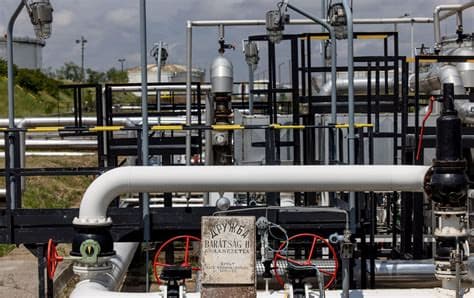
Key Highlights
- Allegation:Slovak PM claims Ukraine is engaging in political blackmail regarding oil supplies.
- Importance:Druzhba pipeline is vital for Slovakia's energy needs.
- Response:Ukrainian officials deny the allegations, emphasizing cooperation.
In a provocative statement, Slovak Prime Minister [Name] has alleged that Ukraine is engaging in political blackmail concerning the Druzhba oil supplies, a vital pipeline system that transports oil from Russia to several European countries, including Slovakia. This accusation underscores growing tensions in the region as energy security becomes increasingly precarious amid geopolitical frictions.
The Druzhba pipeline is crucial for Slovak energy needs, supplying a significant portion of the country's oil. The Prime Minister's remarks suggest that ongoing conflicts between Ukraine and Russia have led to vulnerabilities in the supply chain, which Kyiv may be exploiting for political leverage. This situation has raised alarms among Slovak officials and energy analysts alike, who fear that such tactics could jeopardize the stability of energy supplies in the region.
These comments come at a time when Slovakia, along with other Central European countries, is grappling with the ramifications of its energy dependencies. The accusation of political blackmail has heightened concerns about potential disruptions in energy supplies, emphasizing the need for a robust energy strategy that minimizes reliance on contentious sources. The Slovak government is under pressure to reassess its energy policies to ensure a more secure and diversified energy portfolio.
In response to the allegations, Ukrainian officials have firmly denied any claims of blackmail, asserting their commitment to energy cooperation in the region while navigating their own security challenges. They argue that the ongoing conflict with Russia has complicated the energy landscape, but they remain dedicated to maintaining stable energy relations with neighboring countries, including Slovakia.
The situation highlights the complexities of energy politics in Eastern Europe, where historical ties and current conflicts intersect. Analysts suggest that European nations need to explore diversification strategies to secure their energy supplies and lessen vulnerability to political machinations. The Slovak Prime Minister's statements serve as a call to action for greater collaboration and resilience in the face of shifting geopolitical dynamics.
As discussions continue, the implications of this situation will be closely monitored, as energy security remains a critical concern for many nations in the context of ongoing regional tensions. The need for a unified approach to energy policy in Central and Eastern Europe has never been more pressing, as countries seek to navigate the challenges posed by external pressures and internal dependencies.
Published by Banx Network. This article is part of the Banx decentralized media programme, powered by the BXE token on the XRP Ledger.



