In the wake of decades‑old radar screens blinking in aging towers and controllers scanning skies with technology that once seemed cutting‑edge, a new chapter is beginning for the nation’s airspace. On a brisk January morning in Washington, Transportation Secretary Sean P. Duffy and Federal Aviation Administration Administrator Bryan Bedford stood side by side to announce contracts that mark a pivotal step forward in the modernization of the United States’ air traffic control system. Like the first glints of dawn over a runway, the announcement illuminated both an end to antiquated systems and the promise of safer, more reliable skies ahead.
For too long, the backbone of American air traffic surveillance has relied on radars from the 1980s — systems that were built long before the era of fiber‑optic networks and cloud‑connected skies. These aging units, some of which still depend on obsolete components, have become costly to maintain and increasingly vulnerable to failure. With aircraft numbers continuing to climb and the complexity of air travel growing, the need for modernization has never been more urgent.
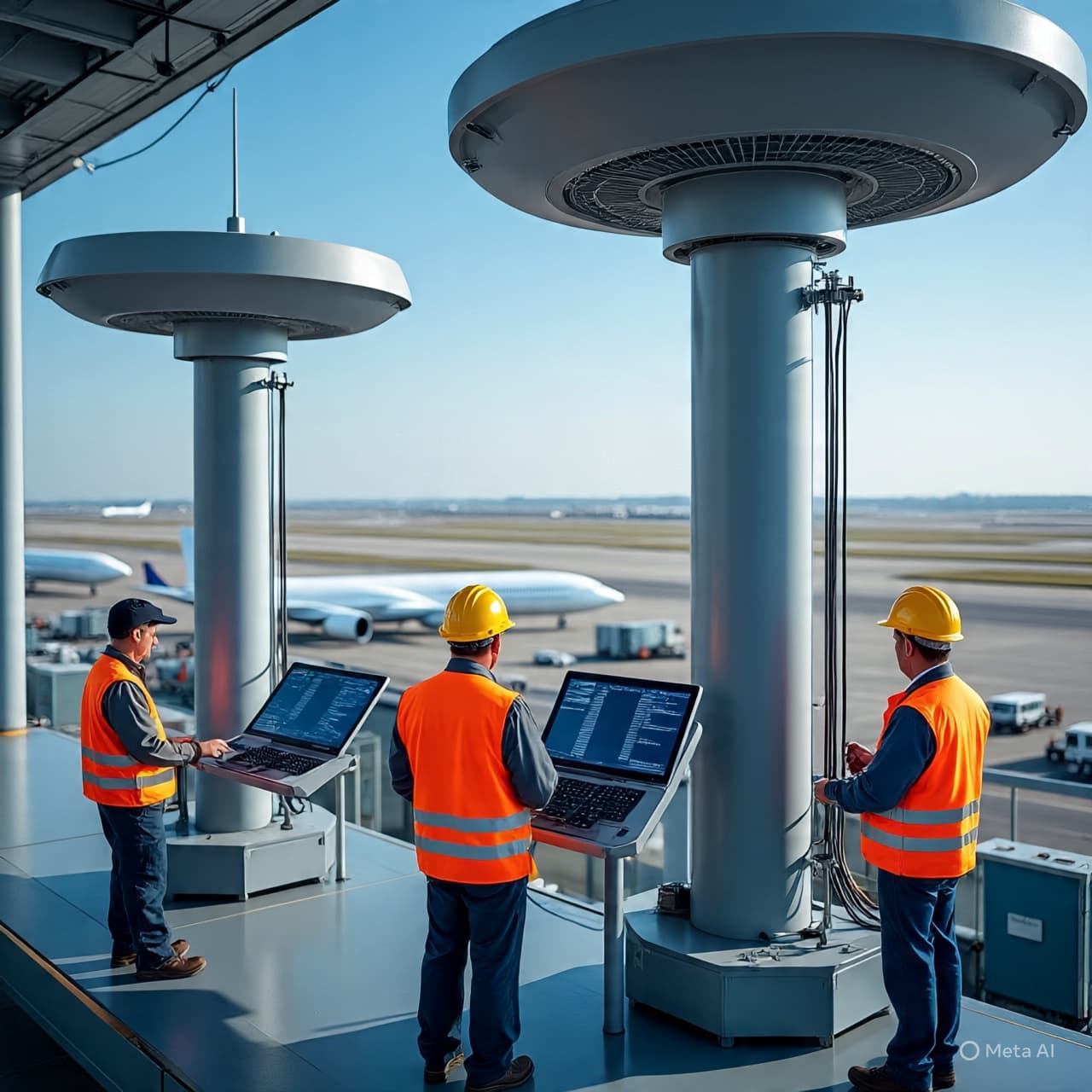
Enter the latest effort under what the Transportation Department now calls the Brand New Air Traffic Control System initiative. Contracts have been awarded to industry leaders RTX and Indra to replace up to 612 radar systems across the country with modern, commercially‑available surveillance technology. Work is expected to begin this quarter and roll forward through a multi‑year period, prioritizing installations in high‑traffic regions where precision and reliability are most critical.
“This radar network has served us well, but its time has passed,” said Secretary Duffy, underscoring the urgency behind replacing outdated hardware that in some locations still spins with the aid of legacy tools. Administrator Bedford echoed that sentiment, noting that the modernization effort not only bolsters safety but also strengthens the very backbone of the National Airspace System.
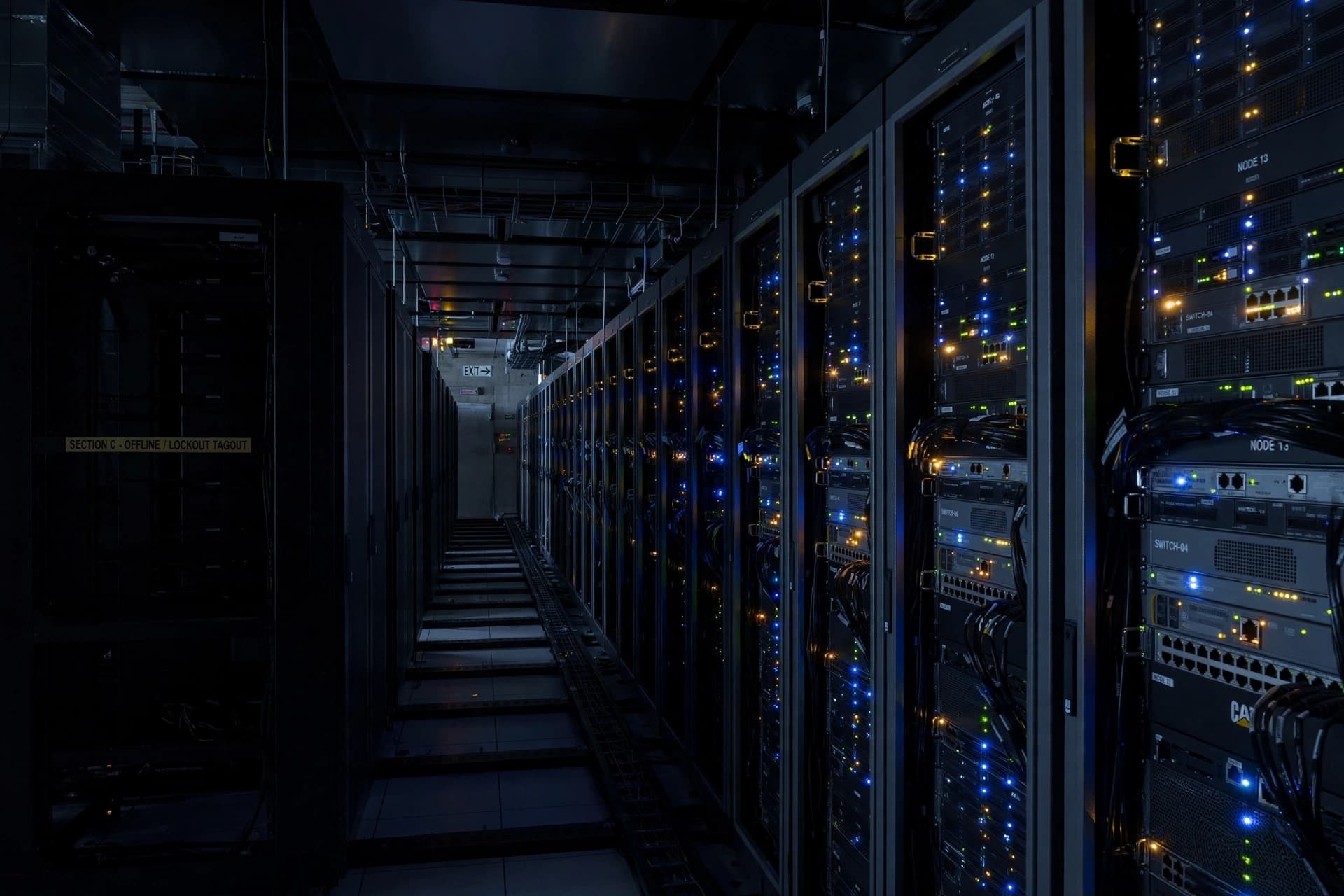
The project forms part of a broader air traffic control overhaul — one anchored by a first‑of‑its‑kind procurement strategy under the One Big Beautiful Bill, which provided initial funding for these upgrades. Last December, the Department of Transportation and FAA selected Peraton as the prime integrator to lead this sweeping effort, coordinating the transition from antiquated systems to a digital, resilient infrastructure that will support future growth and innovation in U.S. aviation.
This transformation extends far beyond radar alone: it encompasses upgraded telecommunications networks, modern fiber‑optic connections, surface awareness systems, and other advanced technologies designed to improve efficiency and reduce delays. With implementation planned through 2028, the stakes — and the possibilities — are high.
For pilots, controllers, and passengers alike, the promise of a system that anticipates tomorrow’s challenges while enhancing today’s safety could mark one of the most consequential infrastructure shifts in decades. In the end, these contracts reflect not just a technical upgrade, but a collective stride into the future of flight — where clearer skies, smoother journeys, and safer landings are all part of a skyward horizon still being written.
AI Image Disclaimer Visuals are created with AI tools and are not real photographs.
Sources
Xbox Wire The Verge T3 Game Developer Neowin
Published by Banx Network. This article is part of the Banx decentralized media programme, powered by the BXE token on the XRP Ledger.