In the rugged landscapes of British Columbia’s Interior, where wildlife roams freely and communities live in close proximity to nature, a recent health alert has raised concerns. A skunk in the Kootenay Lake region has tested positive for rabies, prompting health officials to issue a public warning. This case is particularly notable because, historically, bats have been the primary carriers of rabies in the province. The appearance of the virus in a skunk serves as a reminder that disease dynamics can shift and that vigilance is essential for public safety.
Rabies is a fatal viral disease that affects the nervous system of mammals, including humans. It is transmitted through the saliva of infected animals, usually via bites or scratches. While cases in domestic animals are rare due to vaccination programs, wild animals remain a reservoir for the virus. The confirmation of rabies in a skunk underscores the importance of avoiding contact with wild wildlife, especially those exhibiting unusual behavior such as aggression, disorientation, or daytime activity in nocturnal species.
Health authorities have identified a specific window of risk, noting that the skunk was likely infectious between mid-August and early September 2026. Anyone who may have been bitten or scratched by a skunk in the Kootenay Lake area during this period is urged to seek medical attention immediately. Post-exposure prophylaxis, a series of vaccines, can prevent the disease if administered promptly. Delaying treatment can be fatal, as symptoms一旦出现, the disease is almost always incurable.
The B.C. Centre for Disease Control and Interior Health emphasize that while bat-related rabies is more common, other species can carry different strains of the virus. Skunks, raccoons, and foxes are known carriers in other parts of North America. Although skunk rabies is rare in British Columbia, this case highlights the need for continued monitoring and public education. It reinforces the message that all wild mammals should be treated with caution and respect.
Local residents are advised to secure garbage bins, pet food, and other attractants that might draw wildlife into residential areas. Keeping pets vaccinated and supervised outdoors is also crucial for preventing exposure. Community awareness plays a vital role in minimizing risks, as informed individuals are better equipped to protect themselves and their families. Reporting suspicious animal behavior to local authorities helps track potential outbreaks.
Veterinarians and animal control officers are working closely with health officials to manage the situation. Testing of other animals in the area may be conducted to determine the extent of the virus’s spread. Surveillance efforts are part of a broader strategy to maintain public health and monitor zoonotic diseases. Collaboration between agencies ensures a rapid and effective response to emerging threats.
For the community, the news is a call to mindfulness. Living in harmony with nature requires an understanding of its risks as well as its beauty. By taking simple precautions, residents can enjoy the outdoors safely. The incident serves as a gentle reminder that health is a shared responsibility, involving both individual actions and systemic safeguards.
In the end, the skunk rabies case is a localized event with broader lessons. It highlights the dynamic nature of wildlife diseases and the importance of preparedness. As seasons change and animals move, staying informed and cautious ensures that communities remain safe. The warning is not meant to induce fear but to promote awareness and responsible behavior in the wild spaces we share.
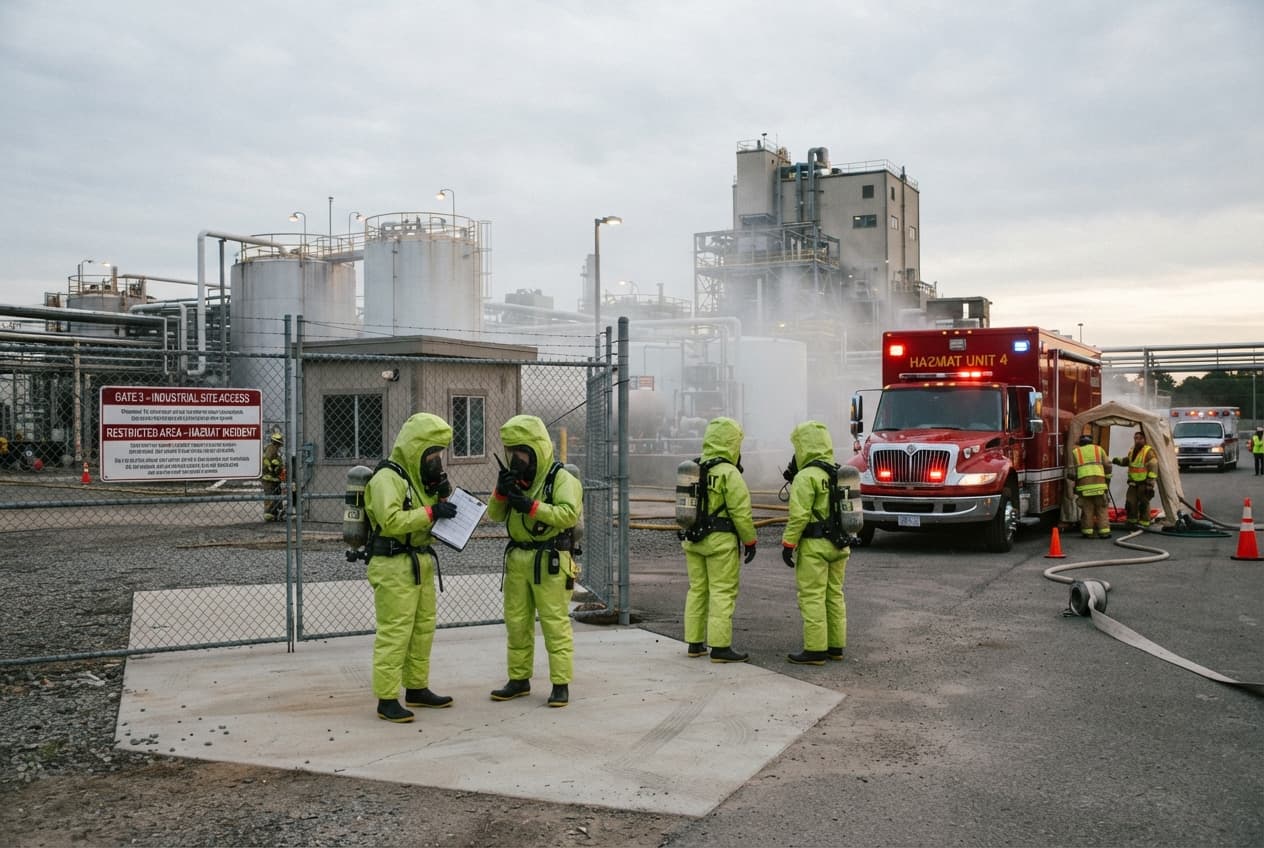
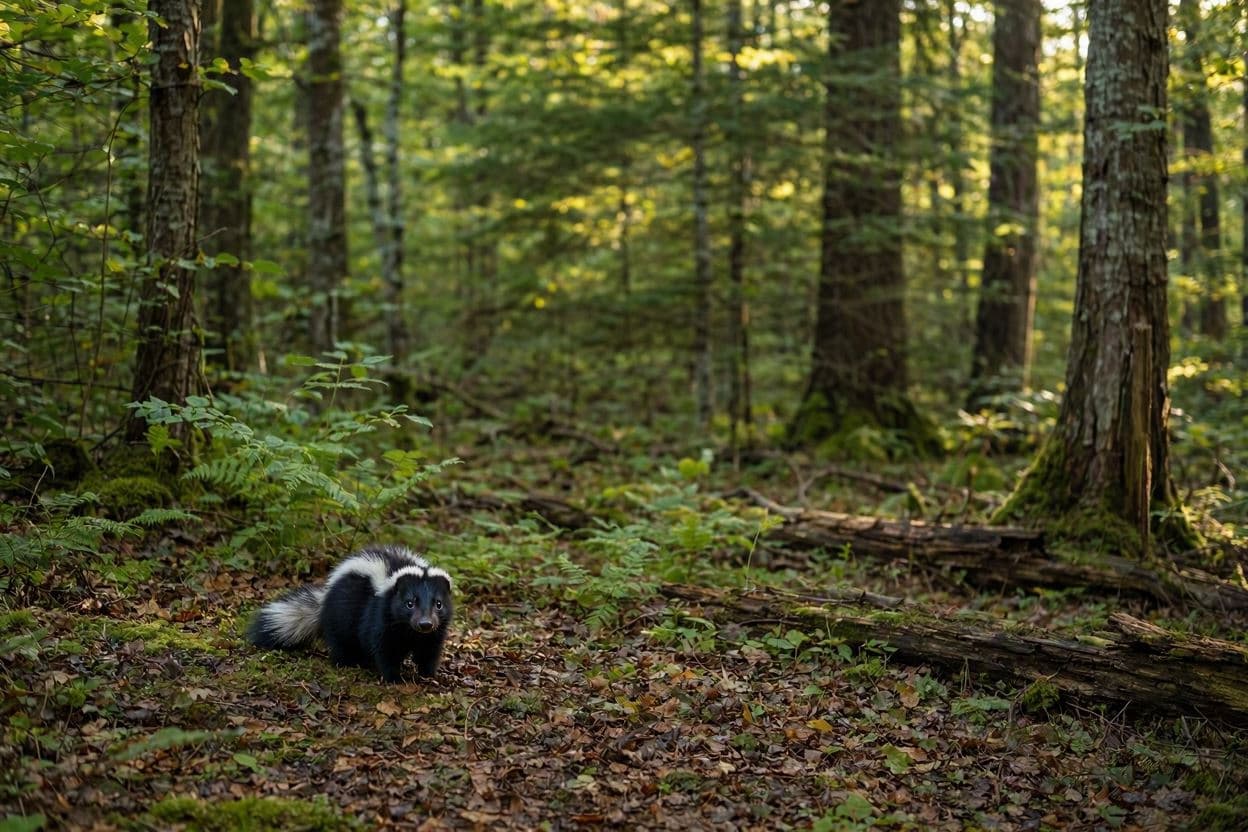
AI Image Disclaimer: The visual aids included here are AI-generated illustrations depicting wildlife and public health themes, not actual photographs of the specific skunk or medical procedures.
Sources: Interior Health CTV News Vancouver CBC News
Published by Banx Network. This article is part of the Banx decentralized media programme, powered by the BXE token on the XRP Ledger.