Like the first hints of dawn before the sun rises above the horizon, the earliest stages of skin aging may unfold long before they become visible to the human eye. Wrinkles and thinning skin have long been regarded as the first recognizable signs of aging, yet researchers now suggest that the process begins much deeper within the skin's microscopic architecture.
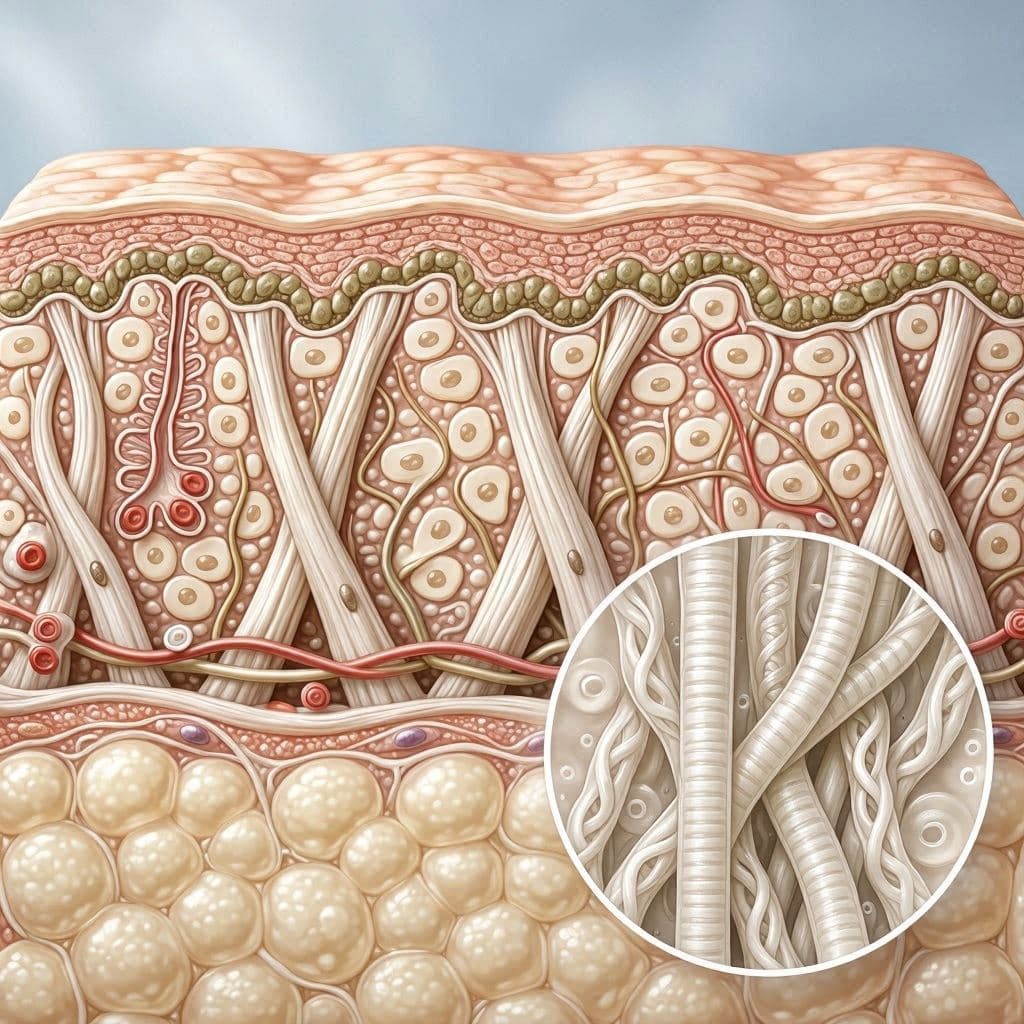
An international research team led by Hiroshima University has developed a method capable of detecting previously hidden changes in collagen, the primary structural protein responsible for maintaining the skin's strength and elasticity. Their findings indicate that collagen's internal molecular organization begins to deteriorate before conventional imaging reveals any obvious structural damage.
The study, published in ACS Nano, focused on a property known as supramolecular chirality, or the highly ordered arrangement of collagen molecules. Researchers discovered that this organized structure gradually collapses while the overall collagen fibers still appear intact under traditional microscopic examination.
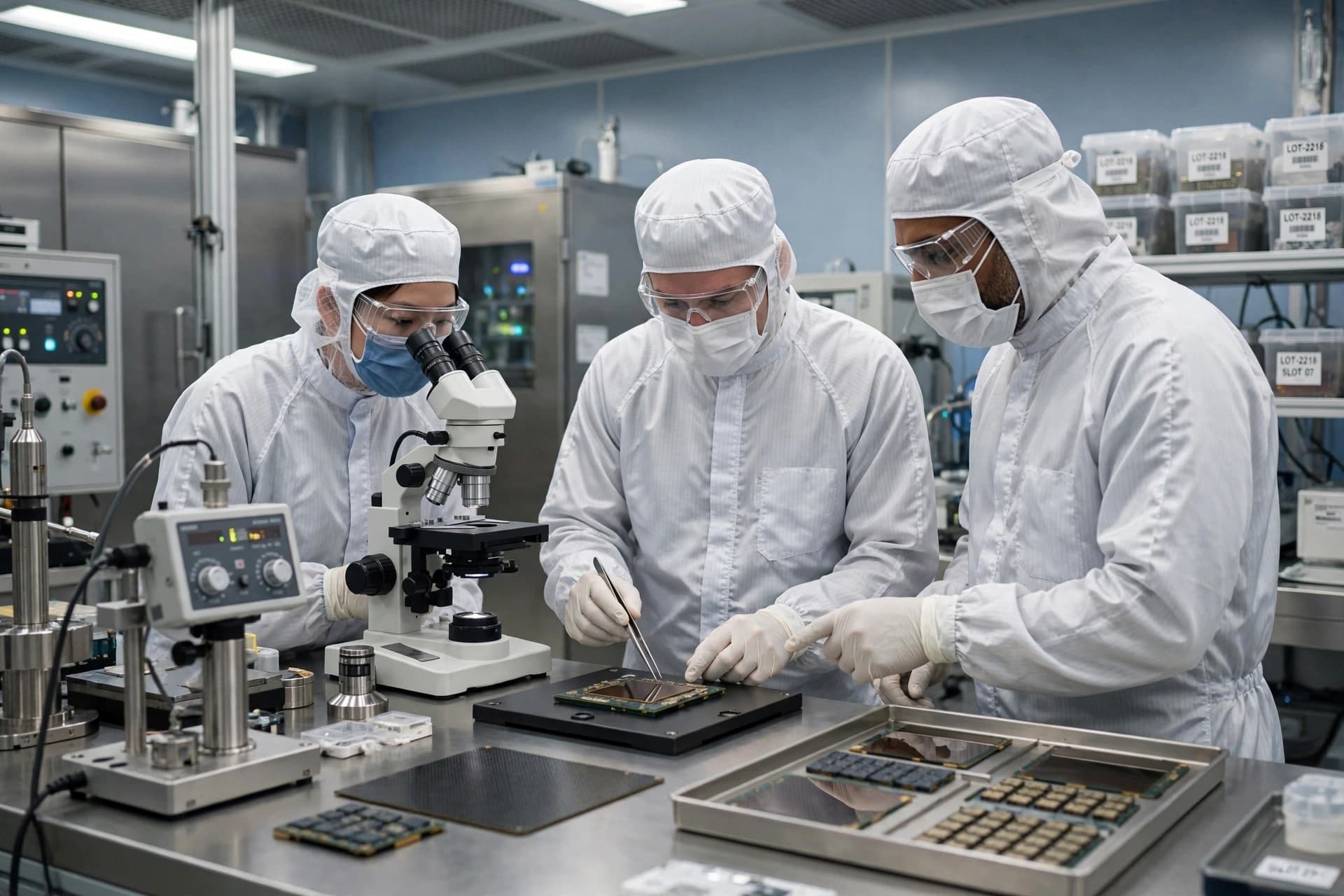
To uncover these subtle changes, scientists combined advanced optical imaging with specialized spectroscopic techniques capable of examining both the quantity of collagen and the integrity of its molecular organization within the same tissue samples. This multimodal approach allowed them to identify deterioration that standard imaging methods would likely overlook.
The findings suggest that skin aging is not simply a matter of losing collagen over time. Instead, the earliest decline appears to involve a breakdown in the way collagen molecules are organized. Researchers compared the process to a building whose bricks remain present while their orderly arrangement begins to weaken, reducing structural stability before visible damage appears.
According to the investigators, detecting these microscopic changes at an earlier stage could eventually improve the evaluation of tissue health in dermatology, wound healing, regenerative medicine, and biomaterials research. Earlier identification of collagen deterioration may also help scientists monitor treatment responses before irreversible structural damage develops.
The researchers emphasized that their work establishes a scientific framework rather than an immediately available clinical test. Additional studies will be needed to determine how the technology can be adapted for broader medical applications and whether it can support earlier diagnosis of age-related skin changes in routine practice.
The study offers a reminder that biological aging often begins quietly, unfolding through changes too small to be seen without sophisticated tools. By revealing these hidden shifts in collagen organization, scientists have taken another step toward understanding how skin ages and how future medical advances may detect those changes before they become visible on the surface.
AI Image Disclaimer: The illustrations accompanying this article are AI-generated representations intended to visualize the scientific findings and are not actual images from the research.
Sources: ACS Nano, Hiroshima University, EurekAlert, Medical Xpress
Published by Banx Network. This article is part of the Banx decentralized media programme, powered by the BXE token on the XRP Ledger.