There is a particular sadness that attends the study of Mars—a world that today is cold, dry, and silent, yet carries on its surface the unmistakable signatures of water that once flowed, pooled, and perhaps lingered long enough to nurture something. The question of whether the Red Planet was ever habitable has occupied planetary scientists for generations, and a new line of research is adding detail to the picture: not just that water existed, but that it fell as rain in concentrated regions, creating isolated oases of warmth and moisture in an otherwise inhospitable world.
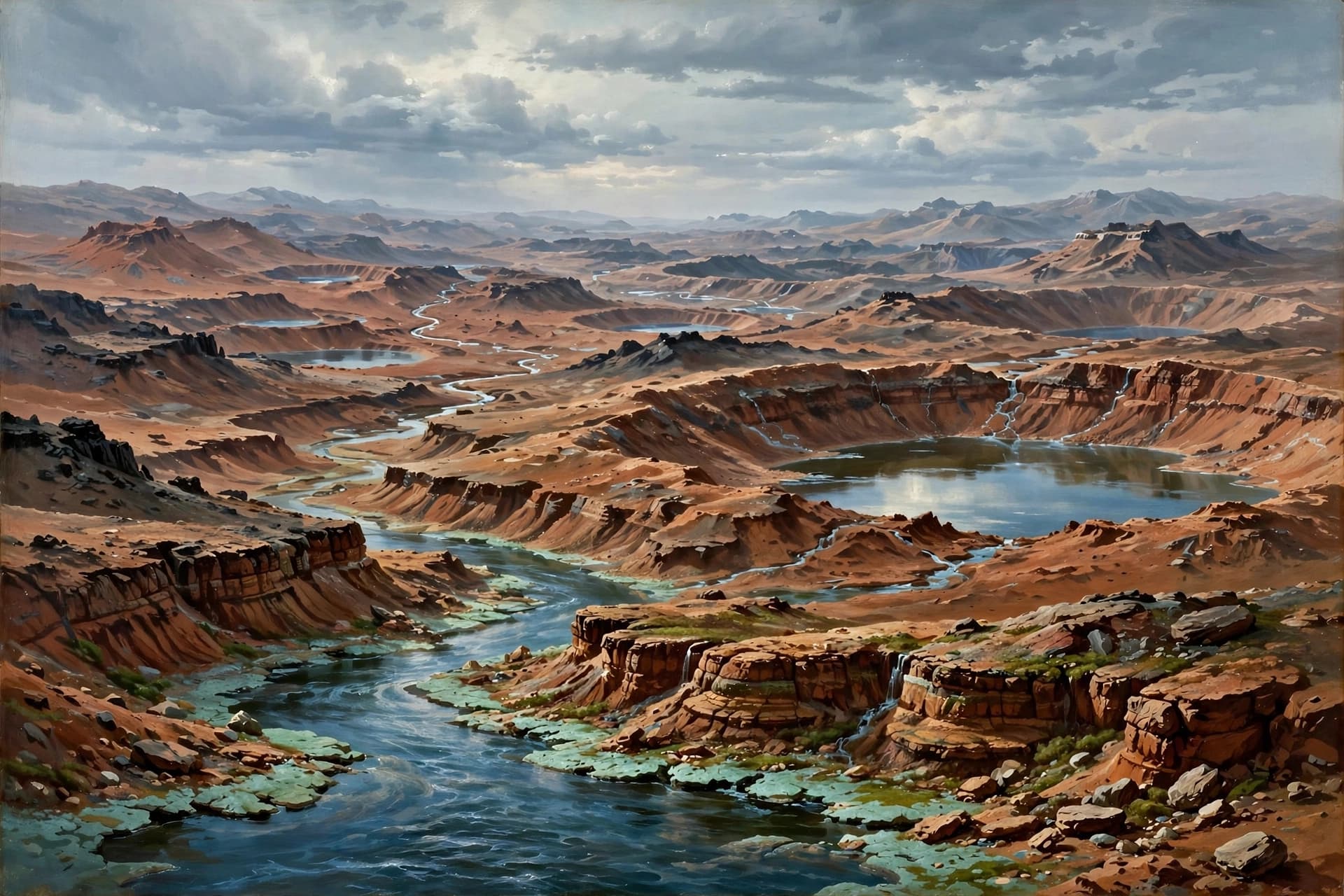
The evidence comes from multiple directions. Researchers at the University of Texas at Austin have mapped, for the first time, the large-scale river drainage systems of ancient Mars. By piecing together previously published individual datasets of valley networks, lakes, and rivers, they identified 16 large drainage basins—each at least 100,000 square kilometers, the threshold for what is considered "large" on Earth . These watersheds, though representing only about 5 percent of the planet's ancient terrain, account for roughly 42 percent of all material eroded by rivers on Mars . On Earth, such large river systems are among the most ecologically diverse regions on the planet; the Amazon basin, for instance, is home to tens of thousands of known species. The researchers suggest that similar systems on Mars could have been "potential cradles for life when the water was flowing" .
The mechanism behind these concentrated rainstorms may have been violent. A separate line of inquiry suggests that giant asteroid impacts—not uncommon in the solar system's early history—could have generated "episodes of scalding rains followed by flash floods" . When a large impactor struck Mars, it would have thrown out enough hot rock to cover the planet to a depth of several meters. As that rock vaporized and cooled, a "rock rain" would have fallen globally, raising surface temperatures dramatically. The water frozen in the subsurface, the polar caps, and even within the asteroid itself would have been vaporized or melted. For a 100-kilometer impactor, parts of the subsurface would have stayed above freezing for at least a year; for a 250-kilometer impactor, for more than a century . A single such impact, the researchers calculate, could have triggered meters of rain over the entire planet and melted enough ice to erode valleys .
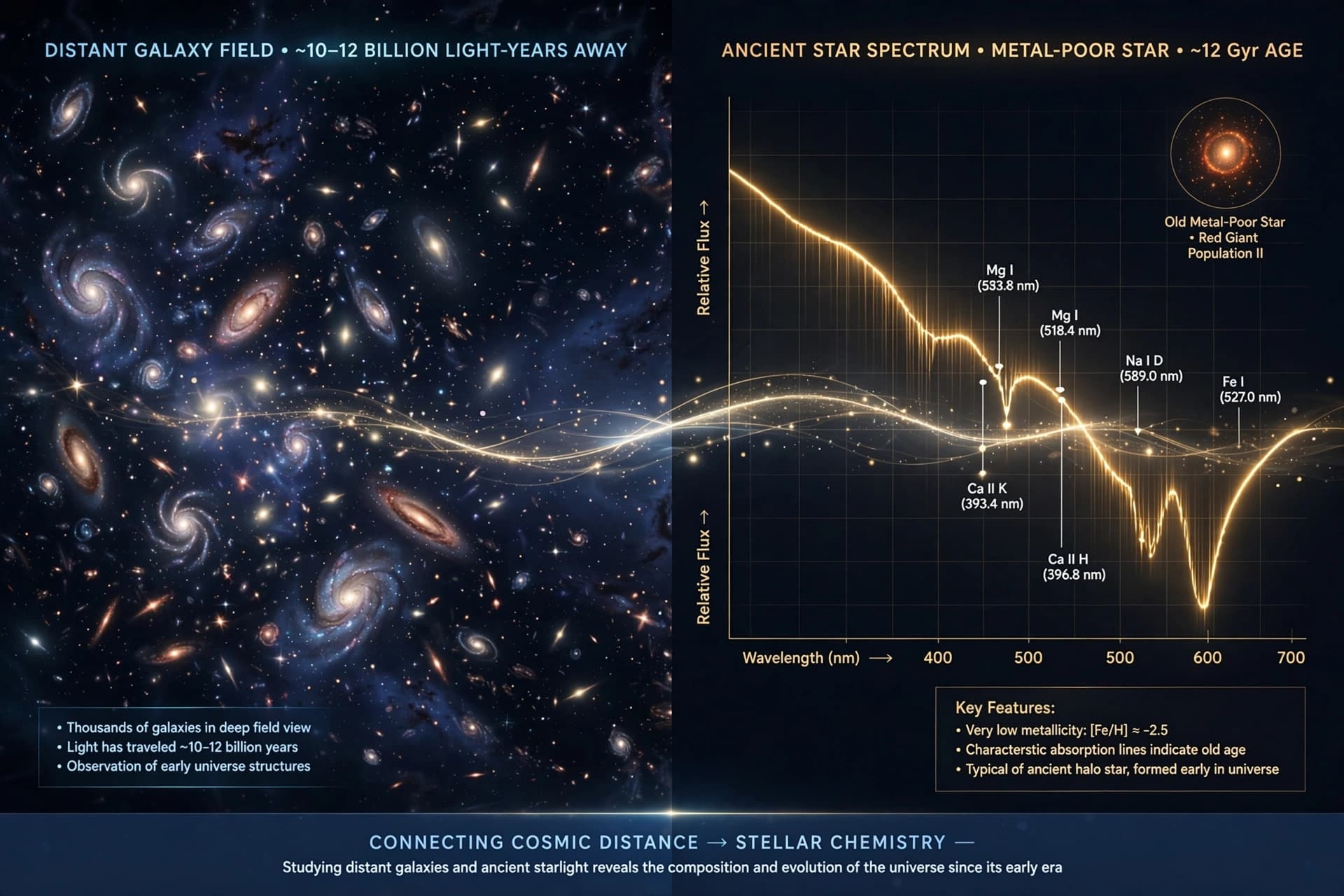
This scenario offers a solution to a longstanding paradox. Geological evidence for flowing water on early Mars is abundant—branching channels, worn crater rims, and filled-and-spilling crater lakes all point to persistent rainfall. Yet climate models have struggled to explain how the planet could have been warm enough, given that the Sun was approximately 25 percent less luminous four billion years ago . The asteroid impact hypothesis provides a mechanism for temporary, localized warmth and rainfall, even if the planet as a whole remained cold. The rain may not have been continuous in space or time; instead, zones of precipitation appear to have roamed across the ancient Martian surface, sometimes returning to previously rainy regions .
This variability has implications for any life that might have existed. A stable environment is easier for life to emerge and persist in, but a fluctuating one may force adaptation or retreat. As one study notes, the variable climate "may have forced life, if it ever existed, to adapt to extreme conditions or seek refuge within the Martian crust in order to survive the implied dry spells" . The areas around the largest river systems—where water interacted with rock over long distances and timescales—may have been the most promising places to look for signs of that life. As Abdallah Zaki, who led the drainage basin mapping, put it: "The longer the distance, the more you have water interacting with rocks, so there's a higher chance of chemical reactions that could be translated into signs of life" . The rain has long since stopped. But the valleys it carved remain, waiting for something to read them.
AI Image Disclaimer: The visual elements in this article were created using AI generation tools and are intended for illustrative purposes only.
Sources: EurekAlert!, University of Texas at Austin, Science, AGU Journals
Published by Banx Network. This article is part of the Banx decentralized media programme, powered by the BXE token on the XRP Ledger.