There are moments in technology that arrive not with fanfare, but with a quiet tap on the shoulder. No launch event, no glossy advertisement — just a notification waiting patiently on a screen, asking to be noticed.
For millions of iPhone users, that moment has arrived again. Apple’s latest software decision has created a narrow window, one measured not in years or generations, but in weeks. Six of them, to be precise. A brief pause in the long rhythm of upgrades, asking users to decide whether to move forward — or remain behind.
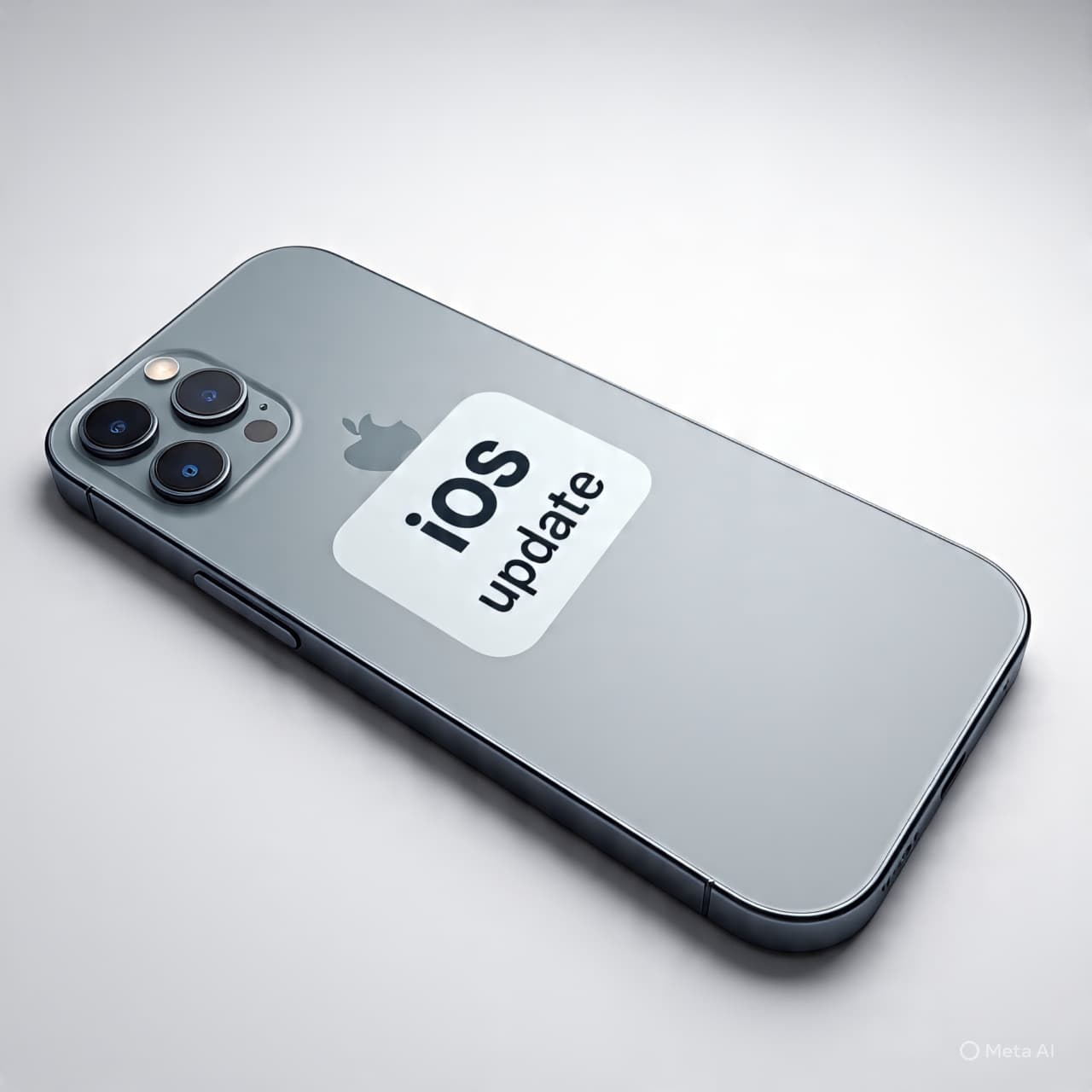
At the heart of the matter is Apple’s newest iOS update, released with a focus less on visual change and more on protection. Beneath familiar icons and routines, the update carries a series of security fixes designed to close vulnerabilities already identified by researchers. Some of those weaknesses, according to industry observers, have been actively exploited.
Unlike cosmetic updates that can be postponed without consequence, this one sits differently. Apple has begun limiting support for older versions of its operating system, gradually narrowing the margin for those who delay. Once that support fades, so too does the flow of critical protections that keep devices resilient against modern threats.
The six-week timeframe has emerged as a soft deadline — not officially announced as an ultimatum, yet clearly implied. As older versions stop receiving full security attention, users who remain unupdated may find themselves exposed in subtle ways, invisible until something goes wrong.
What makes this decision delicate is not fear, but trust. Apple has built its reputation on privacy and control, encouraging users to believe their devices are safe by design. That promise, however, depends on participation. Updates must be installed. Phones must be restarted. Protection, it seems, is a shared responsibility.
For some, hesitation comes from habit. Updates interrupt routines. They require time, battery, patience. For others, concern lingers over storage space or performance on older models. Yet Apple’s message this time is less about new features and more about maintaining the foundation itself.
This moment reveals how modern technology has evolved. Phones are no longer static tools, but living systems that depend on continuous renewal. Security is no longer a shield installed once — it is something that must be refreshed, quietly and often.
As the weeks pass, the decision remains personal. Upgrade now, and remain within Apple’s protective framework. Delay, and accept growing distance from it.
Apple is not demanding urgency with alarms or headlines. It is simply allowing time to move forward — and inviting users to decide whether they will move with it.
AI IMAGE DISCLAIMER Visuals are created with AI tools and are not real photographs.
SOURCES Forbes Apple Newsroom Bloomberg The Guardian (Technology) Wired
Published by Banx Network. This article is part of the Banx decentralized media programme, powered by the BXE token on the XRP Ledger.

.jpg&w=3840&q=75 "The Artemis Revolution: How NASA Plans to Build Humanity's Future on the Moon")