
Key Highlights
- Dawa Sherpa:Nepali guide who survived six days lost on Everest.
- Rescue Efforts:Challenging conditions delayed search operations.
- Sherpa Role:Highlights the critical contributions of Sherpas in climbing expeditions.
Mount Everest has long inspired stories that blur the lines between reality and legend. Above the clouds, where thin air narrows the margin between success and disaster, even the smallest decision can carry enormous consequences. This week, the mountain offered another extraordinary chapter through the survival of a Nepali guide once believed lost forever.
Dawa Sherpa, an experienced mountain guide, disappeared during a descent from Everest near the end of the climbing season. Harsh weather conditions and difficult terrain quickly complicated efforts to locate him, leading many to fear the worst. The climbing season on Everest has been particularly busy this year, with hundreds of climbers attempting to reach the summit, raising concerns about safety and congestion on the mountain.
Among those who witnessed the unfolding events was British climber Chris Thrall, who later recounted the moment circumstances forced the two men apart. According to reports, severe conditions and the urgent need to assist another distressed climber contributed to the separation. As days passed without contact, concern deepened. Search efforts faced significant challenges due to the extreme environment, and in Nepal, Dawa Sherpa’s family reportedly began funeral rites as hope of finding him alive gradually diminished.
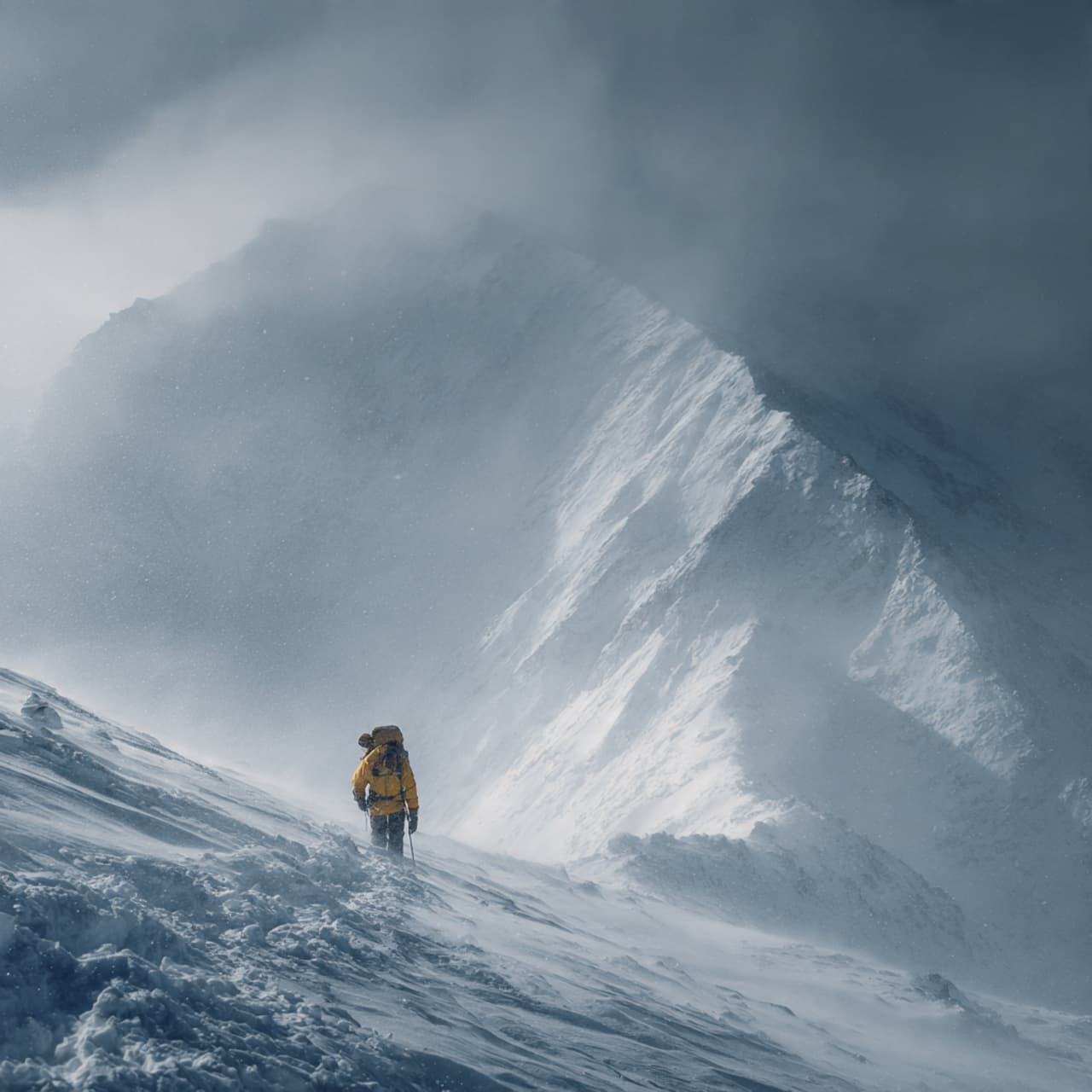
Yet Everest was not finished telling the story. Six days after his disappearance, a cleanup team working near the mountain spotted a lone figure slowly descending toward lower elevations. The man was Dawa Sherpa, alive despite enduring nearly a week in one of the most unforgiving environments on Earth. Accounts from rescuers described the discovery as remarkable. Survival at such altitude without regular access to food, shelter, or supplemental oxygen is considered extraordinarily difficult. Experts noted that even experienced climbers face severe risks under such conditions.
After being located, Dawa Sherpa was transported for medical treatment and reunited with his family. Reports indicated that he was conscious and receiving care, bringing relief to relatives who had already begun preparing for his death. His survival story serves as a testament to the resilience of those who navigate the treacherous terrain of Everest, often at great personal risk.
The incident also highlights the often-overlooked role of Sherpa guides in Himalayan expeditions. While climbers frequently receive public attention, guides undertake significant risks while supporting journeys through some of the world’s most dangerous terrain. Their expertise and local knowledge are crucial for the safety and success of climbing expeditions, yet they often remain in the shadows of the climbers they assist.
This climbing season has drawn hundreds of mountaineers from around the world, and the increased traffic on the mountain continues to raise concerns regarding safety, congestion, and rescue operations. For many observers, however, the focus remains on a single outcome. Against expectations and despite extraordinary odds, one guide returned from a place where survival appeared almost impossible. His journey has become a reminder of both the mountain’s dangers and the resilience of those who work upon its slopes.
Published by Banx Network. This article is part of the Banx decentralized media programme, powered by the BXE token on the XRP Ledger.



