Some stories emerge not from a single moment but from a mosaic of human experience — where conflict, climate, and economic strain weave together in patterns that defy simple explanation. As the International Rescue Committee released its 2026 Emergency Watchlist, a familiar yet sobering picture came into view: of places where fragility has deepened into crisis, and where the call for global attention grows ever louder.
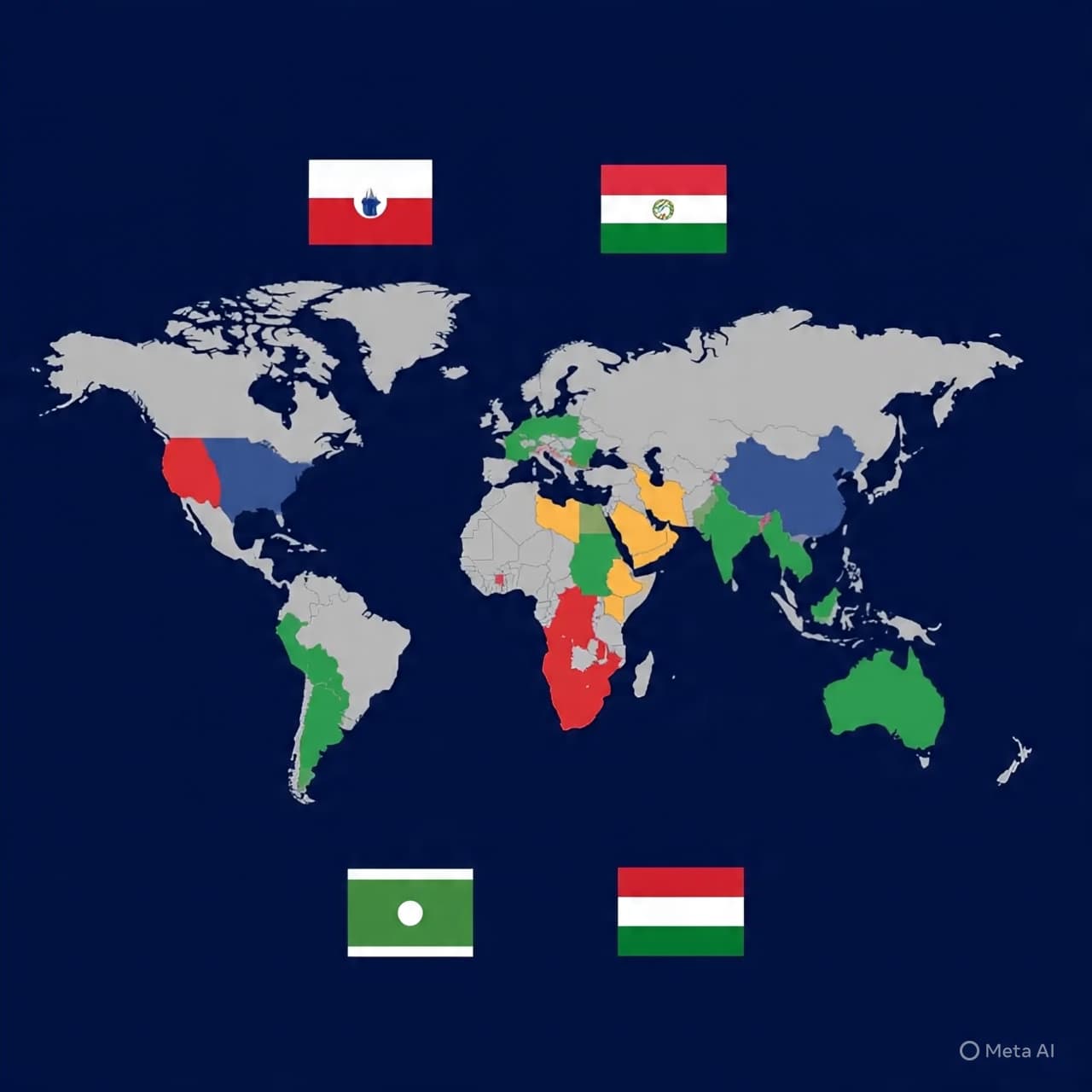
Across the vast continent of Africa, six countries sit among the world’s top 10 most crisis-affected nations, according to the latest Global Watchlist. Nations such as Sudan, South Sudan, Ethiopia, the Democratic Republic of the Congo, Mali, and Burkina Faso are front and center, reflecting the convergence of armed conflict, political instability, climate shocks, and rising economic distress in the region.
At the top of this list, Sudan has once again been ranked as the world’s most severe humanitarian crisis for the third consecutive year, a stark testament to the protracted conflict between rival security forces that has displaced millions and stretched humanitarian systems to their limits. Its neighbors and peers tell similar stories: South Sudan contends with recurring cycles of violence and food insecurity; Ethiopia grapples with instability and displacement across multiple regions; and in parts of the DRC, Mali, and Burkina Faso, ongoing conflict and extremism compound chronic needs.
Notably, while the 20 countries on the IRC’s watchlist account for only about 12% of the global population, they represent nearly 89% of people in humanitarian need — an imbalance that highlights the acute concentration of vulnerability amid shrinking global support and rising needs.
Moreover, these complex emergencies rarely exist in isolation. Climate-related shocks such as drought and floods — already familiar realities in the Sahel and East Africa — intersect with conflict to erode livelihoods and push millions deeper into hunger. Political instability, economic contraction, and the fallout from protracted wars further weaken community resilience, making recovery and stability ever more elusive.
The watchlist also reveals a wider world in turmoil: the occupied Palestinian territories, Haiti, and other regions beyond Africa share the burden of surging humanitarian need, reminding us that global fragility is not confined to one geography.
In these overlapping landscapes of human hardship, the watchlist serves as both a mirror and a warning — a reflection of urgent realities and a reminder that coordinated global action remains essential if suffering is to be alleviated and hope rekindled.
AI Image Disclaimer Visuals are created with AI tools and are not real photographs.
Sources Africa Business Insider International Rescue Committee (IRC) Emergency Watchlist Report Associated Press Reuters Al Jazeera
Published by Banx Network. This article is part of the Banx decentralized media programme, powered by the BXE token on the XRP Ledger.